Construction Affiliate Marketing: Strategy & Platforms

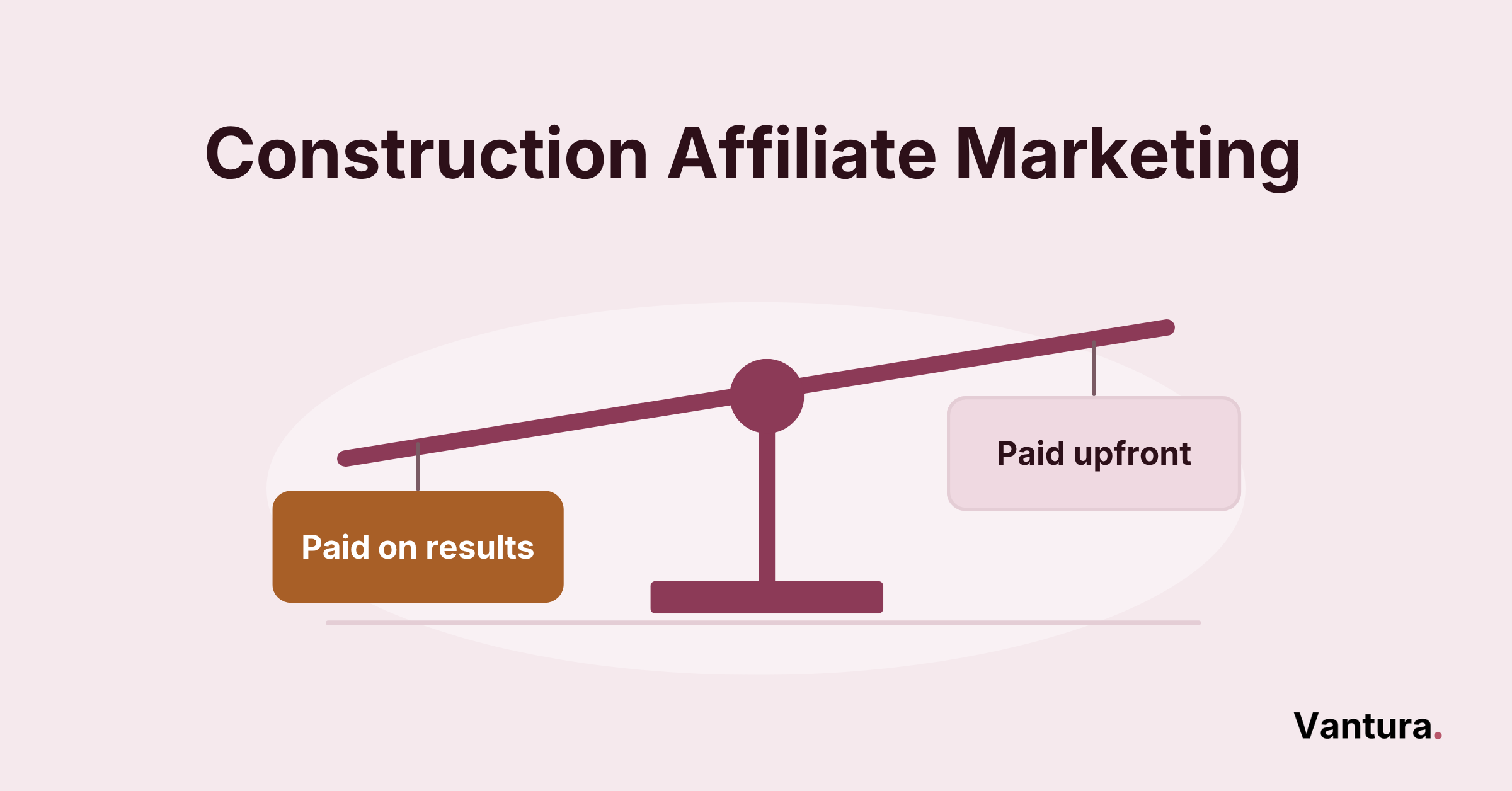
Construction affiliate marketing pays outside partners a commission only when their referral turns into a real lead or a signed project. Contractors, material suppliers, and trade brands use it to buy growth on performance instead of upfront ad spend. Done well, it turns niche websites, trade creators, and review sites into a steady, low-risk source of qualified bids.
About Our Team:
Our 28 specialists bring 190 plus combined years across 180 plus campaigns and 90 plus marketing automations. We stay fully independent, so no affiliate network or vendor holds a stake in what we recommend. That keeps our advice tied to your bid pipeline.
Want an Affiliate Program That Pays?
Get in touch and we will map a construction affiliate program to your margins and service area. Reach out for a plan built on outsourced affiliate management, not a generic template. We handle partner vetting, tracking, and payouts for you.
What Is Construction Affiliate Marketing?
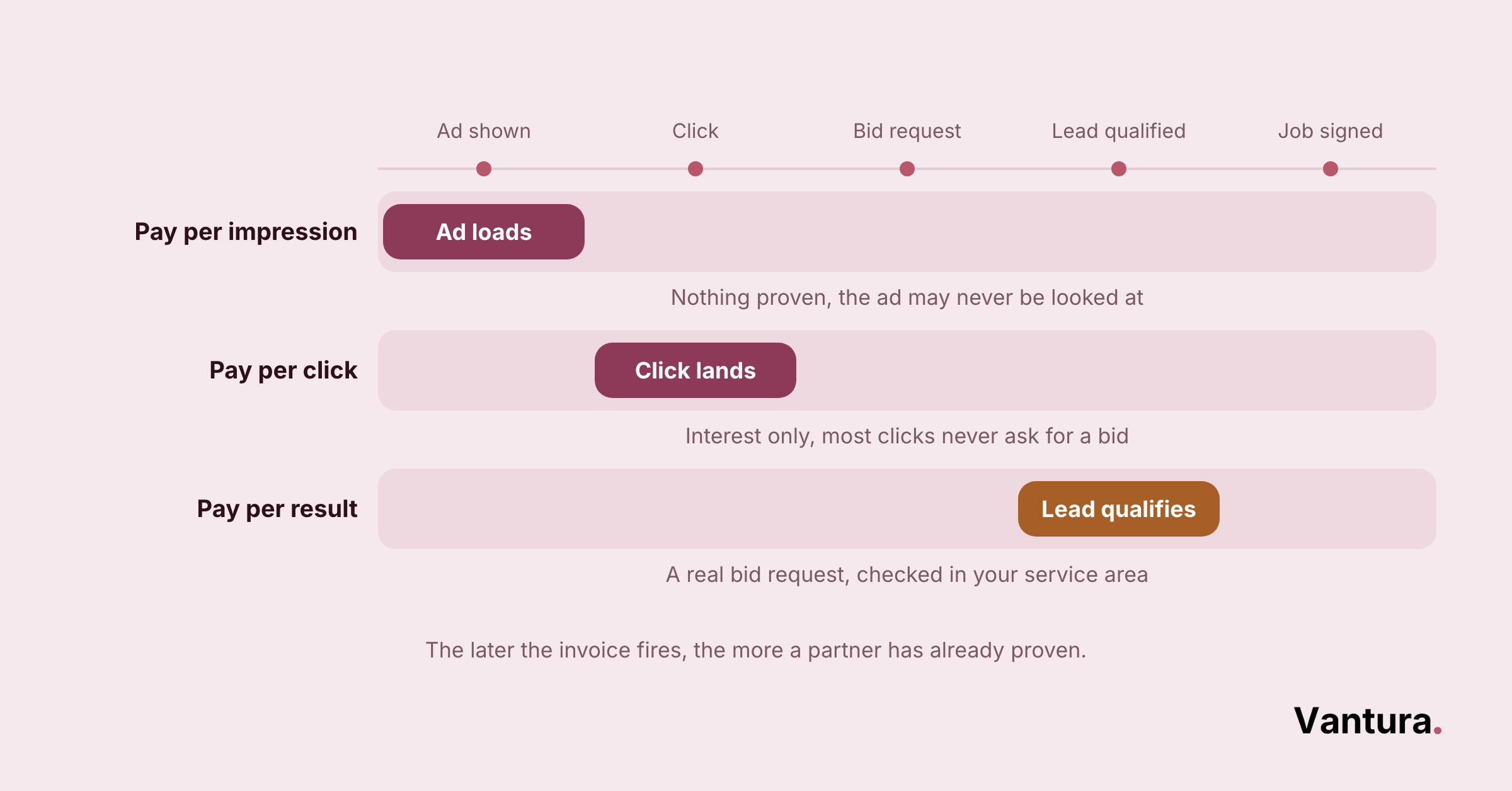
Construction affiliate marketing is a performance channel where partners earn a commission for sending you leads or booked work. You pay for results, not for clicks or impressions.
The model fits construction well because a single project can be worth thousands. That value gives you room to reward a partner and still protect your margin.
Contractors have moved budget online quickly over the last decade, and affiliate programs ride that same wave. More buyers now research a builder through third-party sites before they ever pick up the phone.
It sits close to an industrial marketing plan in spirit. Both reward measurable outcomes over broad brand noise.
Worth knowing: affiliate marketing is not the same as paid ads. With ads you pay before you know the result. With an affiliate program you only pay after a partner delivers a lead or a signed contract, which caps your downside from the first day.
How Construction Affiliate Marketing Works
Every program runs on the same simple loop. A partner shares a tracked link, a buyer clicks and requests a bid, and the partner earns a payout once that lead qualifies.
Two roles sit on either side of that loop. Knowing which one you are shapes almost every later decision.
- Owns the audience, like a trade blog or a local review site
- Places the tracked link inside honest, useful content
- Earns the commission when a referral converts
- The contractor or brand paying for the leads
- Sets the commission, the rules, and the payout terms
- Handles the bid, the quote, and the actual project
Most construction firms start as the advertiser. Commercial builders chasing bigger contracts often run this alongside a wider B2B construction marketing push.
How Do You Set Up a Construction Affiliate Program?
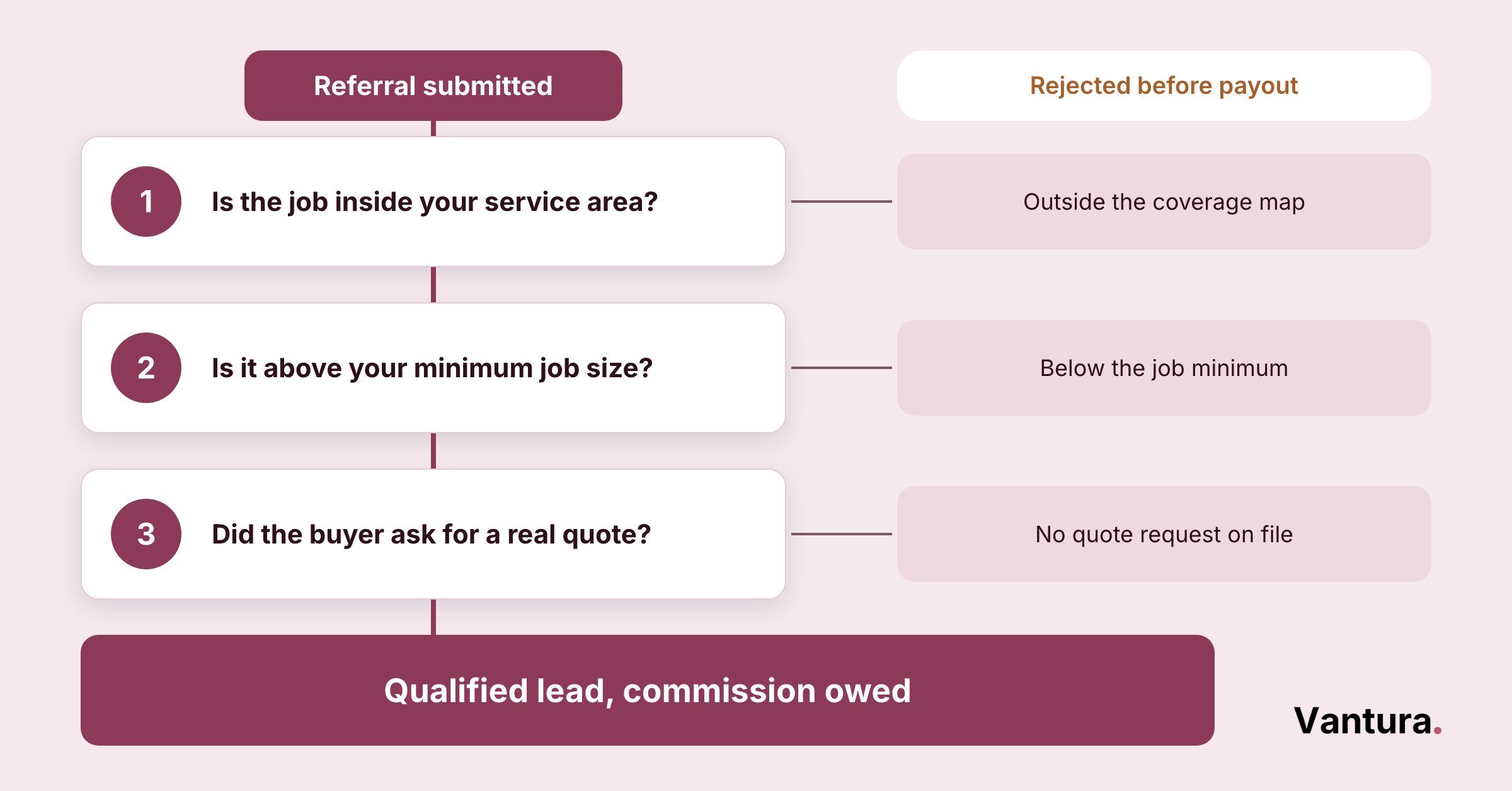
A solid setup starts with the numbers, not the partners. Decide what a qualified lead is worth before you offer a single commission.
From there the structure falls into place. We walk clients through four steps that keep the program profitable from the start.
Step #1: Define Your Payout and Guardrails
Set a commission that leaves room for profit after the crew and materials are paid. A useful rule is to cap the payout at a small slice of the expected job value.
Add guardrails early, like a minimum project size and a service-area limit. This stops partners from sending work you cannot bid on. A short marketing strategy review often surfaces those limits fast.
Step #2: Build the Tracking and Terms
Pick a platform that tracks each link back to the partner who earned it. Write plain terms that spell out what counts as a qualified lead.
Clear terms prevent most payout disputes before they start. Vague ones invite arguments over every borderline referral.
Step #3: Recruit the Right Partners
Look for partners whose audience already trusts them on building topics. A regional home-improvement blog beats a broad coupon site for most trades.
Reach out with a short, specific pitch that names the commission and the service area up front. Quality partners ignore vague, mass invites.
Step #4: Onboard and Give Them Assets
Hand every new partner a simple kit: their tracked links, approved photos, and a one-page brief on your ideal project. The easier you make it, the faster they promote you.
Check in during the first month while habits form. Smaller contractors running lean often lean on small contractor marketing help to keep this onboarding consistent.
Field note: the programs that stall almost always skip the terms document. Partners get frustrated when a lead they sent is rejected with no clear reason. Write the rules once, share them openly, and most friction disappears for good.
How Do Construction Affiliate Commission Models Work?
Commission models decide when and how a partner gets paid. The right one depends on your average job value and how clean your lead tracking is.
| Commission Model | How the Payout Works | Best Fit in Construction |
|---|---|---|
| Pay per lead | Fixed fee for each qualified bid request | Trades with a clear lead value, like roofing or HVAC |
| Pay per sale | A percentage of the signed contract | High-ticket remodels and new builds |
| Pay per call | Fee for a tracked, qualified phone call | Emergency and repair services |
| Recurring share | Ongoing payout for repeat or contract clients | Maintenance and facility work |
| Hybrid | A small lead fee plus a bonus on the sale | Programs balancing volume with quality |
Most contractors we work with start on pay per lead. It is the easiest to track and the fairest while both sides learn what a good referral looks like.
Pay per sale rewards quality harder, but it needs tight tracking from click to signed contract. Without that, disputes pile up fast.
How Do You Choose Affiliate Partners and Networks?
You can recruit partners directly or join a network that brings them to you. Direct gives you control and a lower fee, while a network gives you reach and ready-made tracking.
A network handles recruiting, tracking, and payouts in one dashboard, which saves setup time. You trade some margin for that convenience, since the network takes its own cut of every sale.
Going direct means you own the partner relationship and keep the full commission budget for payouts. It takes more hands-on work, but it usually pays off for firms with a tight, local partner list.
The software you pick should match that choice. Below are the main categories, including a few niche, trade-specific options rather than only the big names.
| Category | What It Handles | Example Platforms |
|---|---|---|
| Affiliate networks | Recruiting, tracking, and payouts in one place | Impact, ShareASale, Awin |
| Self-hosted software | Links and attribution you run yourself | Tapfiliate, Post Affiliate Pro |
| Referral tools | Simple partner and past-client referral programs | Rewardful, Referral Factory |
| Niche trade sources | Regional builder directories and association sites | Local trade directories, supplier partner pages |
Firms that already resell services sometimes fold affiliates into white label partner programs. That keeps one system for every kind of outside partner.
Keep in mind: a network is not automatically better because it is bigger. For a contractor serving three counties, five committed local partners will out-produce a hundred passive ones on a national network. Match the tool to how local your work really is.
How Is Affiliate Tracking and Attribution Handled?
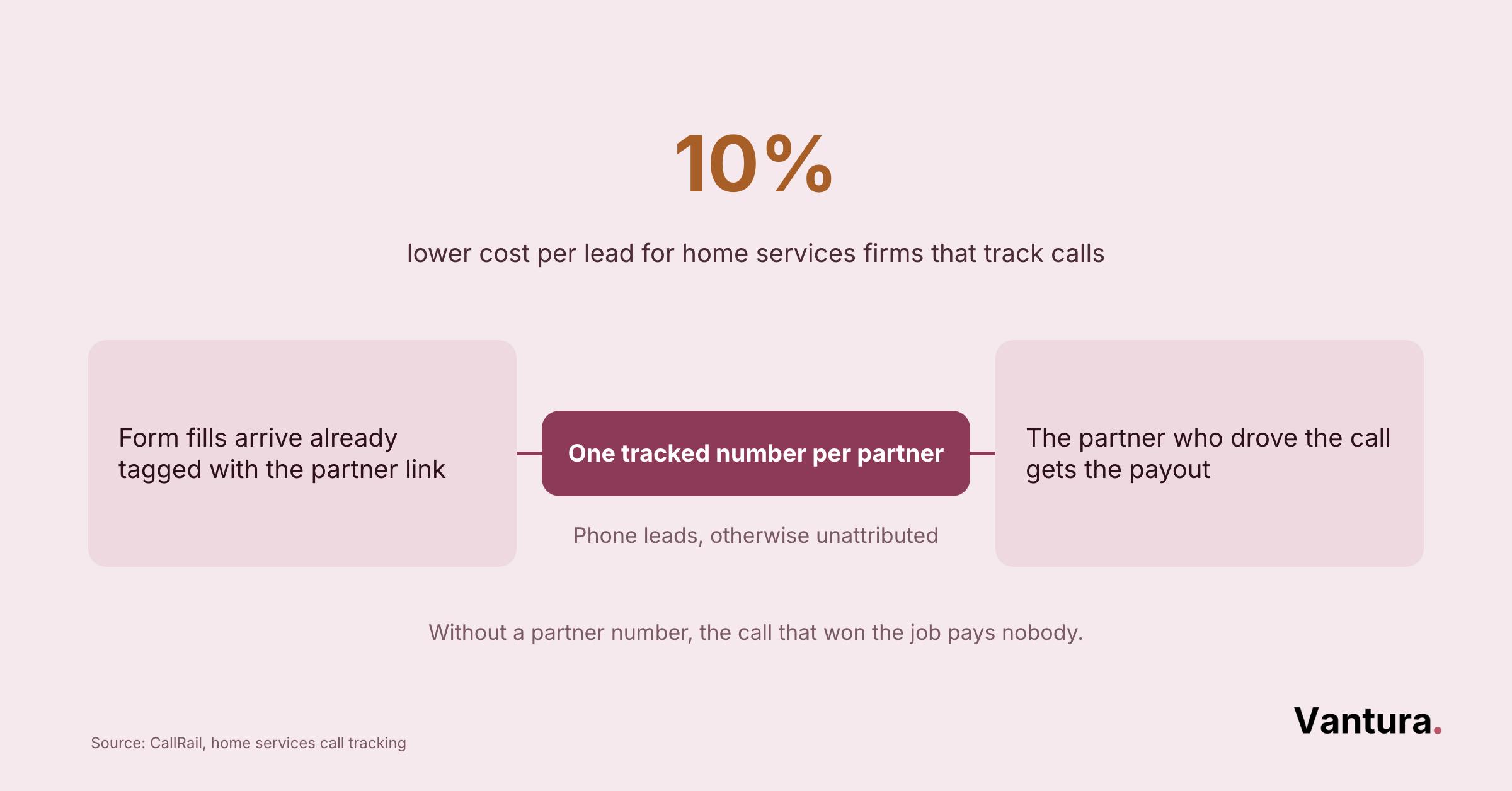
Tracking ties every lead back to the partner who earned it. It usually runs on a tracked link plus a cookie that remembers the referral for a set window.
Attribution decides which partner gets credit when a buyer touches several before booking. Most construction programs use last-click, since the final referral tends to drive the call.
Phone leads need extra care because so many contractor jobs start with a call. Call tracking numbers tied to each partner close that gap. A periodic marketing audit is the fastest way to catch leaks in this chain.
Preventing Construction Affiliate Fraud
Fraud in affiliate programs is usually small but worth watching. It tends to show up as fake leads, self-referrals, or clicks with no real intent behind them.
- Verify leads before you pay, using a real quote or site visit
- Cap payouts per partner until they build a track record
- Watch patterns, like a spike of leads that never answer the phone
- Hold commissions briefly so cancelled jobs can be reversed
A short holding period on payouts solves most of this quietly. It gives you time to confirm a lead turned into real work before money moves.
Affiliate Content, Disclosure, and Compliance
Affiliate content only works when it stays honest. Partners should disclose that a link is paid, plainly and near the link itself, so readers know the deal.
Clear disclosure is not just polite. It protects both sides from complaints and keeps a partner’s audience trusting the recommendation.
Video carries that trust especially well. Animoto found that 93 percent of businesses landed a new customer after posting a video on social media, which is why a short project walkthrough from a partner your buyers already follow often outpulls a plain written review.
Set content rules in the partner brief. Homeowner-facing partners work best when they borrow the honest, review-led tone of good homeowner-focused marketing.
How Affiliate Links Affect Your SEO
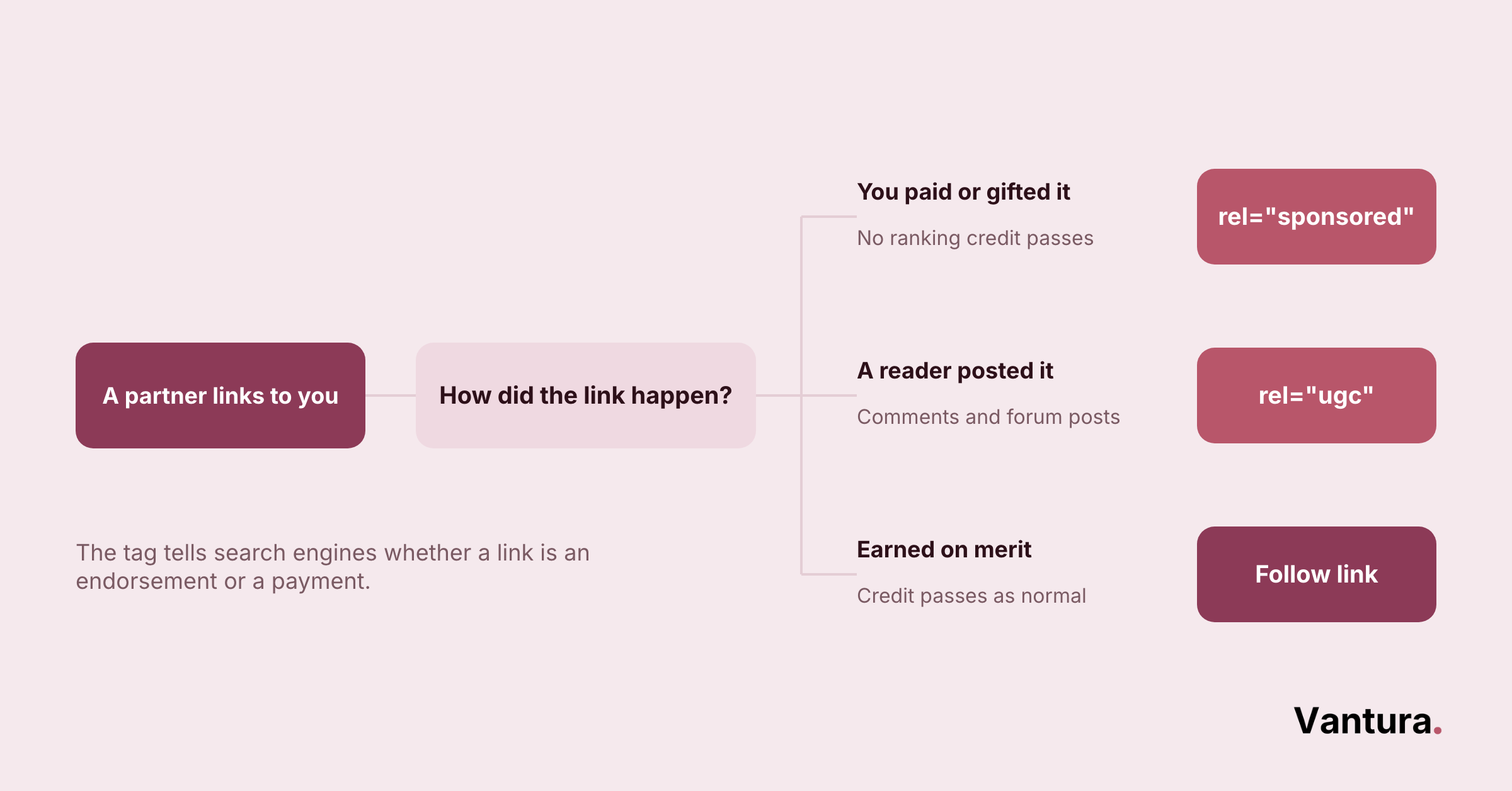
Paid links need the right tag so search engines treat them as sponsored, not as earned votes. Marking affiliate links as sponsored keeps your site clear of manual penalties.
Handled right, an affiliate program can still help organic reach. The extra honest reviews and mentions build the kind of trust signals search rewards over time.
Landing Pages That Convert Affiliate Traffic
Send referral traffic to a page built for that partner’s audience, not your generic homepage. A visitor sent by a kitchen-remodel blog should land on a kitchen-remodel page.
Match the promise on the link to the promise on the page. The same lessons from real estate marketing apply, since both sell big, considered purchases that need real proof.
- One clear offer above the fold
- Real project photos, not stock imagery
- A short bid-request form, phone optional
- Reviews from similar projects nearby
Construction Affiliate Marketing vs Influencer Marketing
Affiliate and influencer marketing look similar but pay out very differently. Affiliates earn on results, while influencers usually earn a flat fee whether or not a lead shows up.
| Factor | Affiliate Marketing | Influencer Marketing |
|---|---|---|
| Payment | Paid on performance, per lead or sale | Usually paid upfront as a flat fee |
| Risk | Low, you pay for results | Higher, you pay before results |
| Best use | Steady lead flow over the long run | Awareness and one-time launches |
| Tracking | Precise, link and code based | Softer, reach and engagement |
Neither is better on its own. Many firms use a trade creator for awareness, then convert that reach into an affiliate deal once the numbers prove out.
The bigger trade creators also post more often, which is part of why they draw the eye first. Hootsuite found that accounts with over 100000 followers post over six times as many Instagram Stories a month as smaller accounts, so their content simply stays in front of buyers longer.
B2B and Commercial Construction Affiliate Programs
Commercial and B2B programs work on longer timelines and bigger contracts. A partner here might be a supplier, an architect’s blog, or a facilities community rather than a consumer site.
Because deal sizes run high, pay per lead with a sale bonus tends to fit best. Larger firms often fold this into an enterprise marketing program so the pipeline stays visible to leadership.
What Metrics and ROI Should You Track?
Track your affiliate program at the lead level and the signed-project level. A partner sending cheap leads that never book is not actually helping.
| Metric | What It Tells You | Healthy Direction |
|---|---|---|
| Cost per lead | What each bid request costs you | Lower over time |
| Lead-to-bid rate | Share of referrals worth quoting | Higher |
| Earnings per click | How well a partner’s link performs | Higher |
| Reversal rate | Leads that fell through after payout | Lower |
In our experience, a construction affiliate program run for two to three quarters returns roughly 3 to 4 dollars for every dollar paid in commissions. Payback usually lands around four to six months, once tracking is clean.
Those numbers come from our own projects, not a study, so treat them as a starting range. A quick marketing consulting pass can pressure-test them against your margins.
Bottom line: the point of an affiliate program is protected profit, not raw lead volume. If a partner floods you with leads that never sign, that channel is costing you time even when the payouts look small. Judge every partner on booked work.
How Much Does a Construction Affiliate Program Cost?
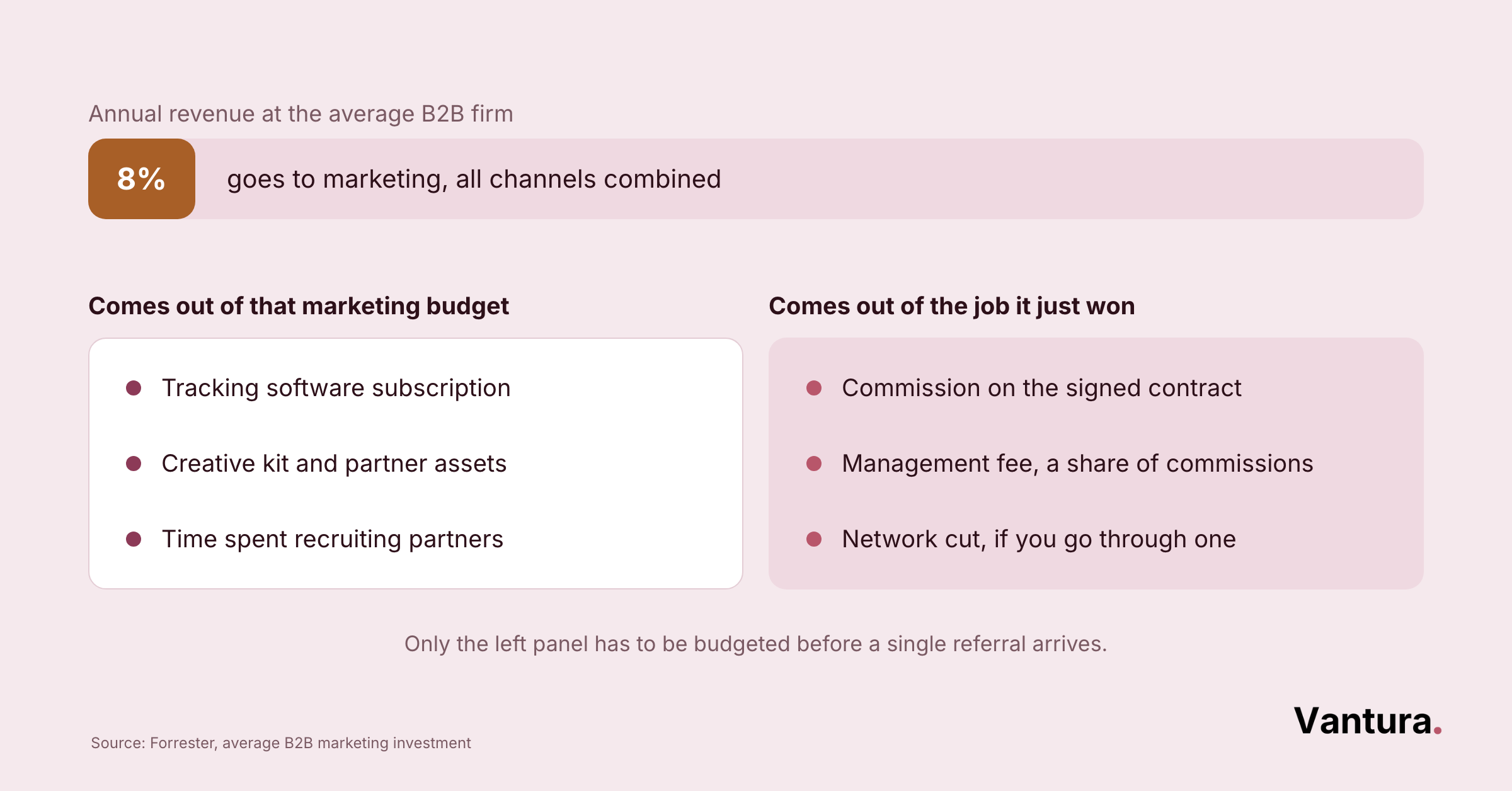
Affiliate costs split into two buckets: what you pay to run the program and what you pay partners. The setup is usually the smaller line by far.
Setup covers tracking software, creative assets, and partner outreach, often a few thousand dollars to get running. After that, a management fee often runs 10 to 20 percent of the commissions paid.
The commission itself is your biggest cost, but it only fires on results. Trades with clear lead value, like roofing contractor marketing, tend to model this most easily.
Managing Affiliate Relationships Over Time
A program is only as strong as the partners still active six months in. Most drop off quietly when payouts feel slow or the rules keep shifting.
Pay on time, share what is converting, and reward your top few partners with a better rate. Small, steady attention keeps the best ones loyal.
- Send a short monthly note on what is working
- Refresh photos and offers each season
- Give your strongest partners first look at new services
Fold the program into your wider plan so it does not drift. Firms running an integrated marketing plan tend to keep affiliates aligned with everything else.
What Are the Most Common Construction Affiliate Marketing Mistakes?
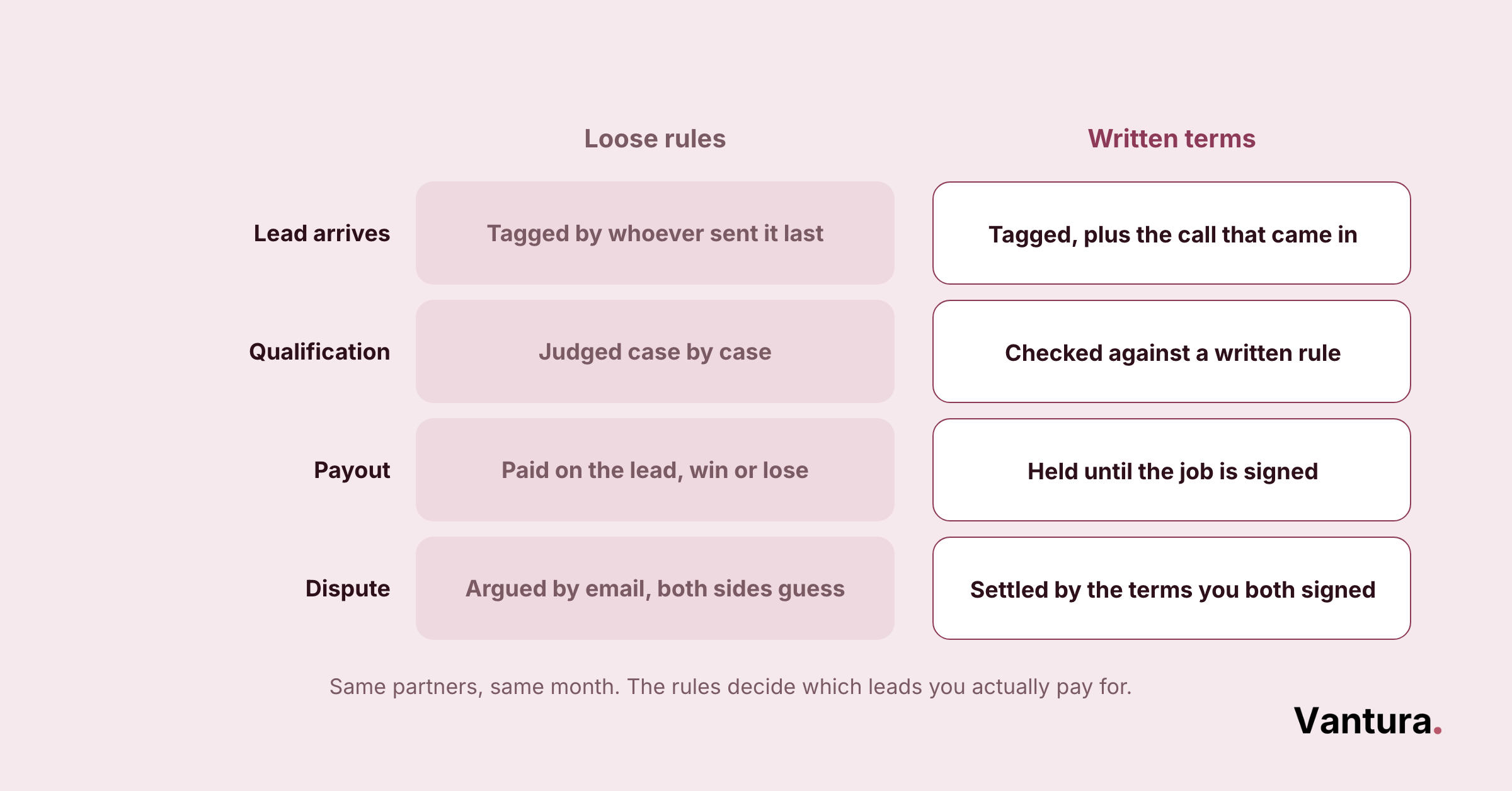
Most mistakes trace back to loose rules or weak tracking. They rarely come from a bad partner and almost always from an unclear program.
- Paying on clicks or leads instead of qualified work
- Skipping the terms document, then arguing over every lead
- Sending referral traffic to a generic homepage
- Ignoring phone leads that partners actually drove
- Recruiting broadly instead of a few reliable local partners
Newer firms sometimes rush partner sign-ups to hit a number. A steadier multi-location franchise marketing approach shows the opposite works better, since a few aligned partners beat a crowd.
Quick check: before you launch, ask whether you could explain your payout rule to a partner in one sentence. If it takes a paragraph, it is too complex, and complex programs are the ones that quietly fall apart within a season.
Disclaimer: This post shares general information only and is not professional marketing, financial, or legal advice. Affiliate and marketing program outcomes differ by business, market, and execution, and prior results never guarantee what happens next. Talk with a qualified professional before you act on anything here.