The Taboola Ads Pros and Cons 2026 (By Use Case)

The Taboola Ads pros and cons come down to one trade, cheap reach on premium publisher sites against low buying intent. That trade lands differently for ecommerce, lead generation, and brand teams, so your use case matters more than any feature list. Judge Taboola on cost per qualified action, never on raw click volume.
Why Trust Us on Taboola Ads
Vantura Marketing runs native buying with 28 specialists and 190 plus combined years of marketing work. We have delivered 180 plus campaigns across 14 industries and run 750 plus split tests.
Need Help With Taboola Ads?
Get in touch if you want a second read on your account. Our Taboola Ads management work covers setup, placement cleanup, and honest reporting, and no vendor holds a stake in what we recommend.
What Are the Main Taboola Ads Pros and Cons?
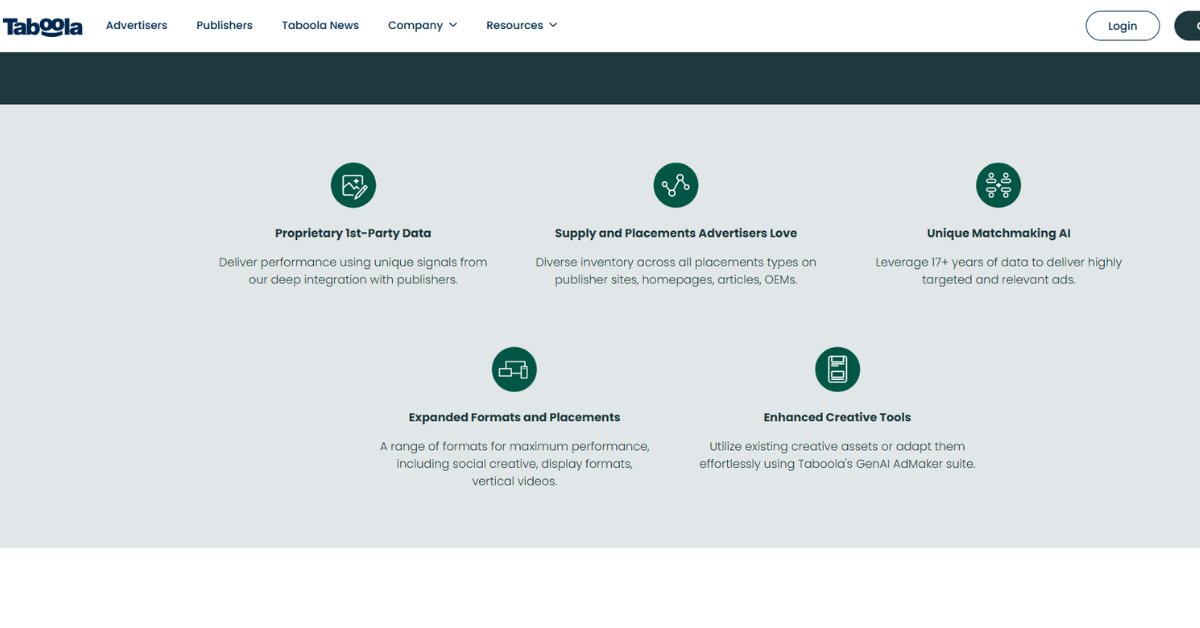
The main Taboola Ads pros are cheap scale, fast creative reads, and access to publisher sites you can’t buy on search. The main cons are weaker intent, noisy placements, and reports that flatter click volume.
Both sides show up inside the first month. That makes the trade cheap to test and quick to judge.
Where Taboola Ads Earn Their Keep
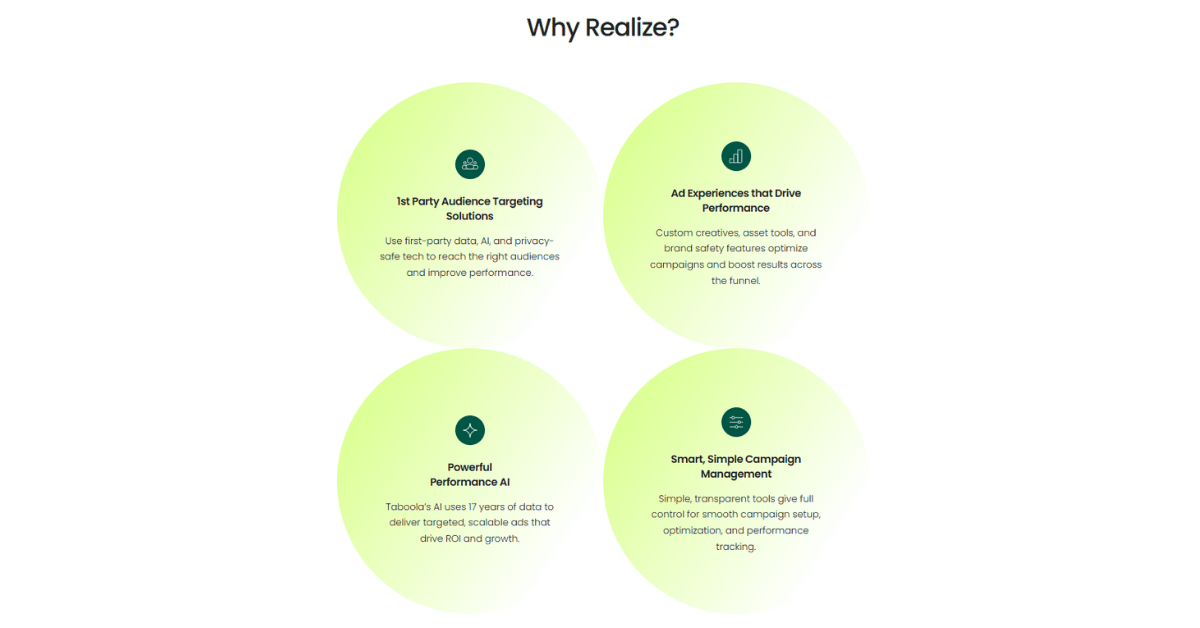
Taboola sells reach that search simply does not have. The company says its network reaches 600 million daily active users through direct publisher deals.
That inventory is the real product here. Every pro below flows out of it.
- Cheap clicks: you buy attention for a fraction of search prices.
- Real scale: ads run on established news and lifestyle sites.
- Fast creative reads: weak headlines and thumbnails sort themselves out quickly.
- Format range: native, carousel, vertical video, and motion ads sit in one account.
- No subscription: you pay per click or per thousand impressions, nothing else.
- Creative help built in: the AdMaker tools draft images and copy when you have none.
- Self serve entry: you can sign up and launch without a sales process.
Those pros stack up best when your offer needs discovery rather than a search query. Across our projects, native buys 4 to 6 times the click volume of search on the same daily budget.
Where Taboola Ads Fall Short
The cons are mostly about intent and cleanup. Nobody reading a news article wants your product yet, so every click starts colder than a search click.
That gap is why reviewing the first month’s placement report usually pays for itself. It tells you which sites to cut before the budget doubles.
- Colder traffic: readers click out of curiosity, not intent.
- Placement noise: some sites send clicks that never convert.
- Manual cleanup: blocking weak publishers is ongoing work.
- No public rate card: Taboola does not post standard prices, so early bids are guesswork.
- Slow learning: conversion bidding needs volume before it settles.
- Mixed service reviews: account management quality varies a lot by reviewer.
- Attribution fog: last click reports make native look worse than it is.
None of that makes Taboola a bad buy. It does mean month one is a cleanup job, and we plan for it.
In our accounts, roughly 20 to 30 percent of early spend lands on sites we end up blocking. That share drops fast once someone owns the placement report.
What Are the Taboola Ads Pros and Cons by Primary Use Case?
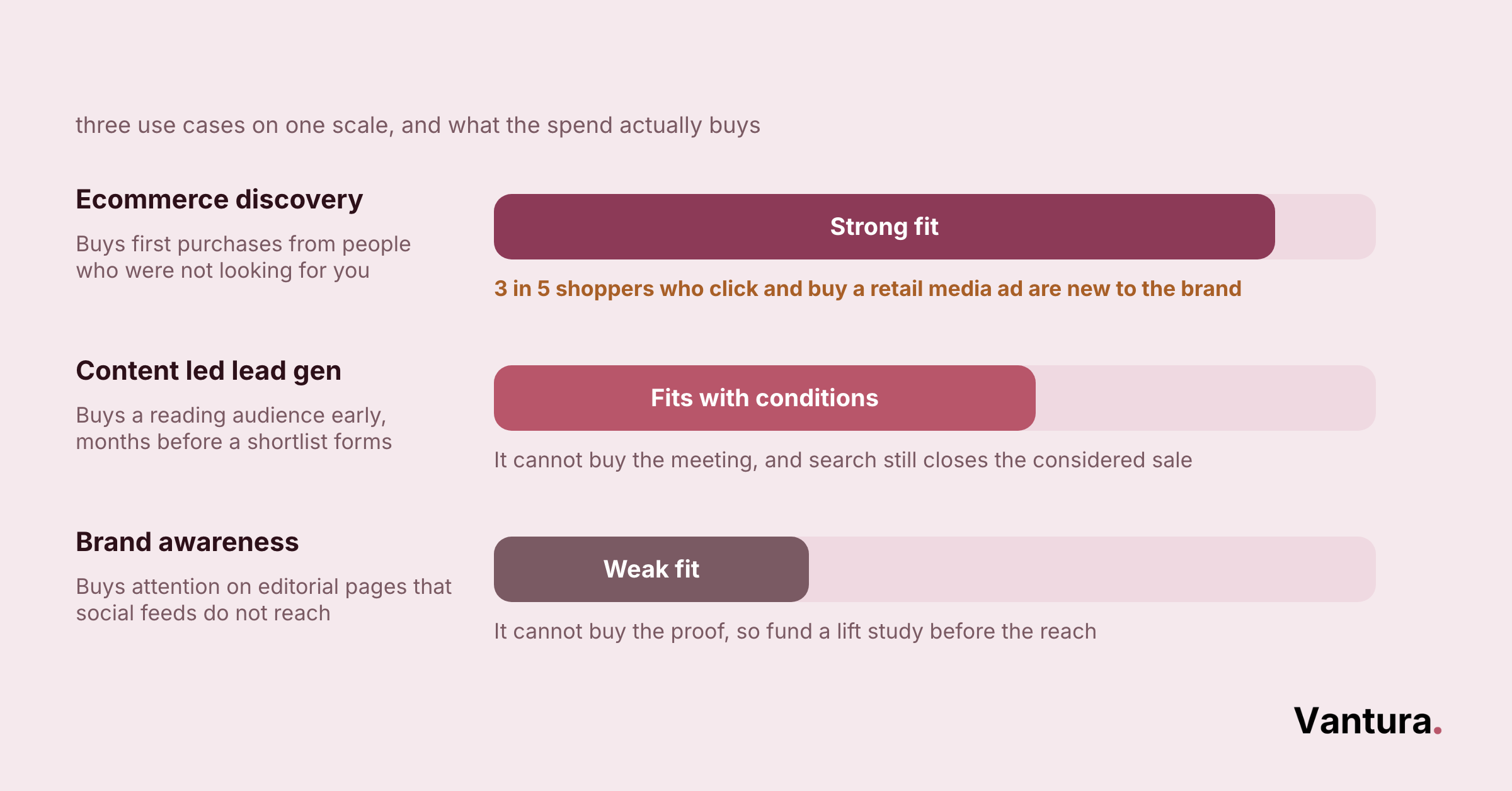
Taboola Ads work best for ecommerce discovery and content led lead generation. They work worst for narrow, high ticket sales that depend on search intent.
Brand work sits in the middle. Cheap reach helps there, but proof of impact stays hard to put in a report.
Ecommerce Sales and Product Discovery
Products people can decide on quickly do well here. A shopper mid article will try something new when the price is low and the page loads fast.
Our Taboola Ads for ecommerce teams lean on native for launch traffic. Budget then moves to search once real demand exists.
- Cheap traffic for products with no search demand yet
- Carousel ads show several items in one unit
- Shopify conversion tracking installs without code
- Creative winners emerge within a few thousand clicks
- Easy to pair with retargeting later
- Low intent means a high cost per first purchase
- Refund and return rates can run above search buyers
- Placement quality swings week to week
- Small catalogs run out of creative angles fast
Lead Generation for Considered Purchases
Lead generation works when the offer is a read, not a demo. A guide, a calculator, or a checklist converts far better than a contact form.
For B2B finance lead programs, we treat Taboola as a feeder channel and never as the closer. Search still takes the bottom of the funnel.
- Fills the top of a funnel cheaply
- Content offers convert without brand recognition
- The pixel tracks form fills across pages
- Useful in markets with thin search volume
- Creative tests double as message tests
- Lead quality trails search by a wide margin
- Sales teams push back on unqualified names
- Long cycles hide the real payback for months
- Regulated offers face extra policy review
- Needs a nurture sequence to be worth anything
Brand Awareness and Content Distribution
Awareness is where Taboola looks cheapest and proves hardest. You can buy a lot of readers for very little money.
Our Taboola versus AdRoll comparisons help these teams treat that reach as a supporting act. We measure it on assisted conversions rather than last click.
- Very low cost per reader reached
- Articles earn real reading time, not just impressions
- Motion and video formats extend the same story
- Works beside social with little audience overlap
- Impact is hard to prove in a monthly report
- Brand safety needs manual placement review
- Frequency creeps up on smaller publisher pools
- Easy to overspend with nothing to show for it
How Do Taboola Ads Pros and Cons Change by Company Size?
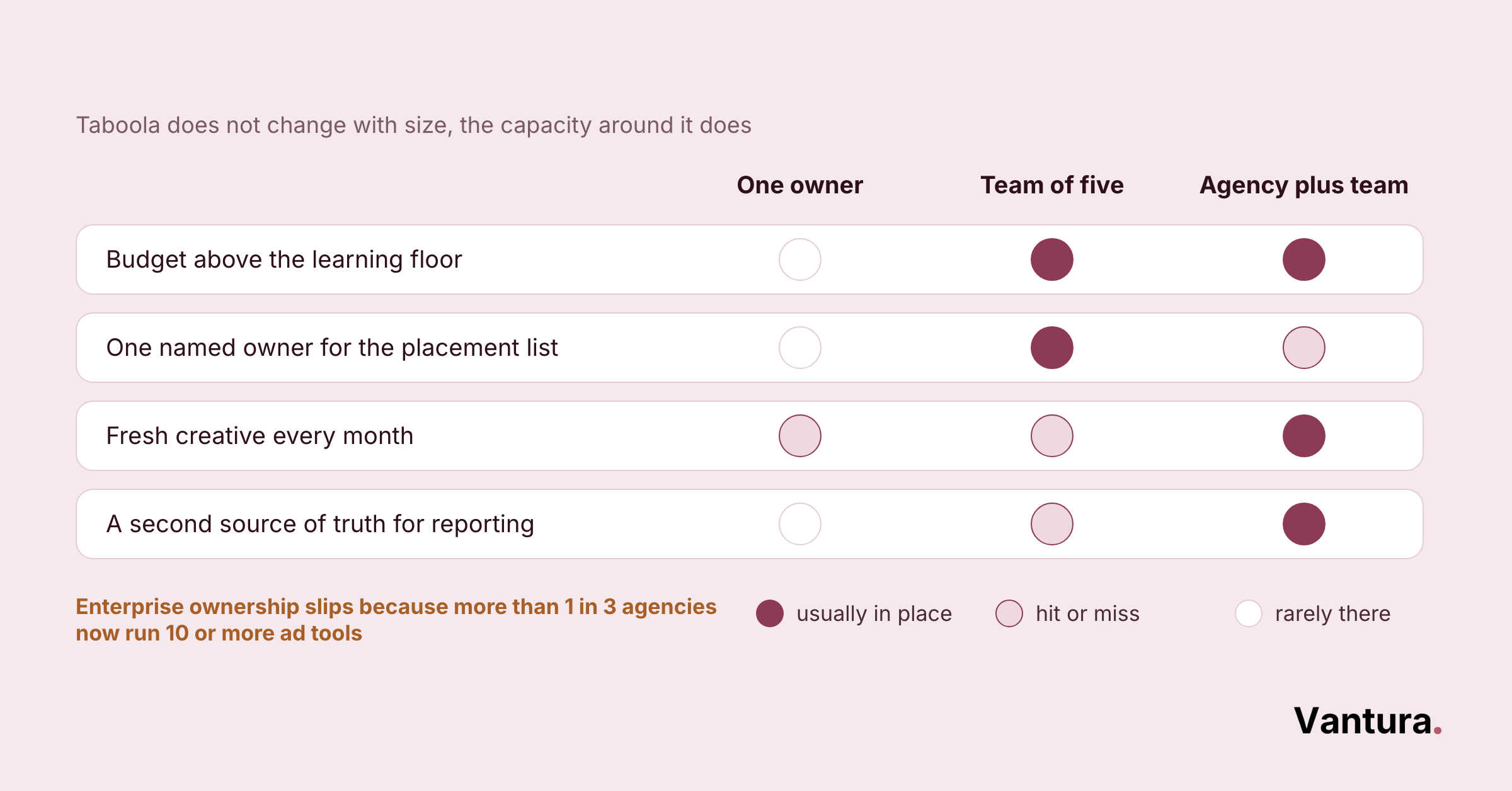
Company size changes the cons far more than the pros. Small advertisers feel the budget floor and the cleanup work hardest.
Bigger teams get the scale they came for. Then they hit reporting and brand safety problems that smaller accounts never notice.
Small Businesses and Local Operators
A small advertiser can start here, but the math is tight. Realize wants a daily budget sized against your target cost per action, which rules out very small tests.
We usually point small operators toward search first, and toward cheaper Taboola alternatives if the budget stays thin. Native comes later, once a baseline exists to compare against.
- No setup fee or contract to sign
- Self serve signup takes minutes
- Cheap enough to test a new offer
- Creative tools cover the design gap
- The daily budget floor eats a small monthly spend
- Nobody in house owns the placement cleanup
- Local targeting wastes a lot of national reach
- Results read as noise until volume builds
- Support attention follows spend, not need
Mid Market and Subscription Companies
This is the sweet spot. Budgets are big enough to feed the bidding, and someone owns the account day to day.
Most SaaS marketing programs we run use native for trial signups and gated content. Demo requests stay on search, where intent already exists.
- Enough volume for conversion bidding to learn
- Publisher blocklists get maintained properly
- Creative testing runs on a real schedule
- Trial signups cost less than on paid search
- Pixel data feeds retargeting elsewhere
- Trial to paid rates lag search badly
- Finance asks why cost per lead looks so good
- Creative burns out faster than expected
- Reporting needs a second source to stay honest
Large Enterprise Advertisers
Large advertisers get the best of Taboola and the most governance overhead. Reach is easy, but control is the real work.
For enterprise teams also weighing Taboola against Criteo, the placement list becomes a brand safety document. It gets reviewed like any other one.
- Scale that social channels cannot match on reach
- Direct publisher supply, not a blind exchange
- Named account support at higher spend
- Formats fit both brand and performance briefs
- Brand safety review never really ends
- Legal teams question editorial style creative
- Native gets credited last in most attribution models
- Agency and in house teams argue over ownership
- Sheer volume hides small quality problems
How Do Taboola Ads Fit Into Your Existing Tech Stack?
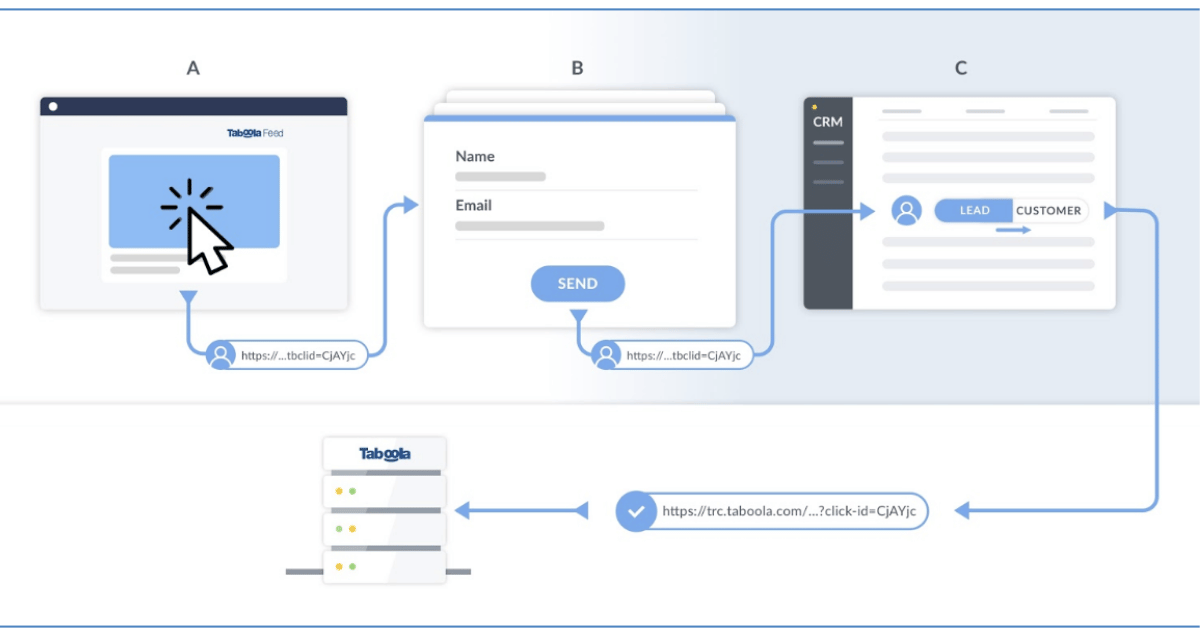
Taboola fits any stack that can host a pixel, and setup is lighter than most people expect. The harder question is which system gets to call a conversion a conversion.
We settle that during Taboola Ads integrations planning, before a single ad goes live. Arguing about it in month two costs a lot more.
Taboola Ads + Shopify = Conversion Tracking Without Code
The official Taboola Pixel app on the Shopify store is free, and it installs once you log in with a Realize account. It picks up purchases, add to cart events, and other engagement signals with no manual coding.
Stores that skip the app can still set the same events up by hand. That matters when your theme is heavily customized.
Taboola Ads + WordPress = One Less Developer Ticket
Taboola documents WordPress and WooCommerce as supported integrations for codeless conversion tracking. For most content sites, that removes the usual wait on a developer.
Taboola Ads + Your CRM = Lead Scores You Can Trust
Taboola will not grade your leads, so we push every form fill into the CRM and score it there. Cost per lead in the ad account and cost per qualified lead in the CRM are two very different numbers.
Hidden Taboola Ads Strengths Most People Overlook
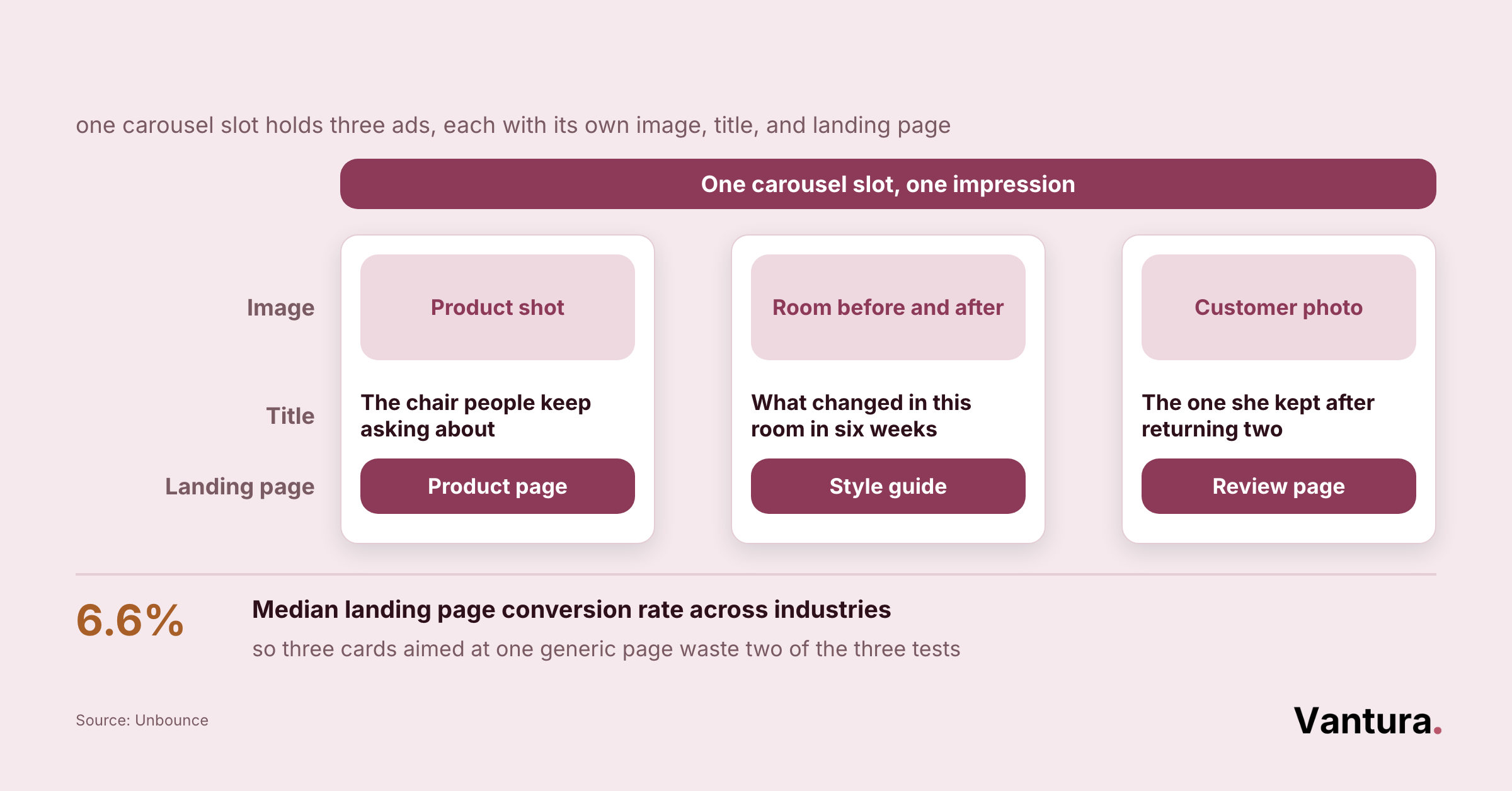
Most reviews stop at cheap clicks and skip the format work. Carousel ads alone change what one placement can do.
A Taboola carousel needs at least 3 cards, each with its own image, a title capped at 50 characters, and its own landing page. Video and stills can sit in the same unit.
So one ad slot becomes a small catalog test, which is the fastest way to learn what a cold audience wants. Teams doing Taboola Ads consulting work with us build this first.
What Are the Quieter Problems With Taboola Ads?
The loud complaints are about traffic quality. The quiet ones cost more.
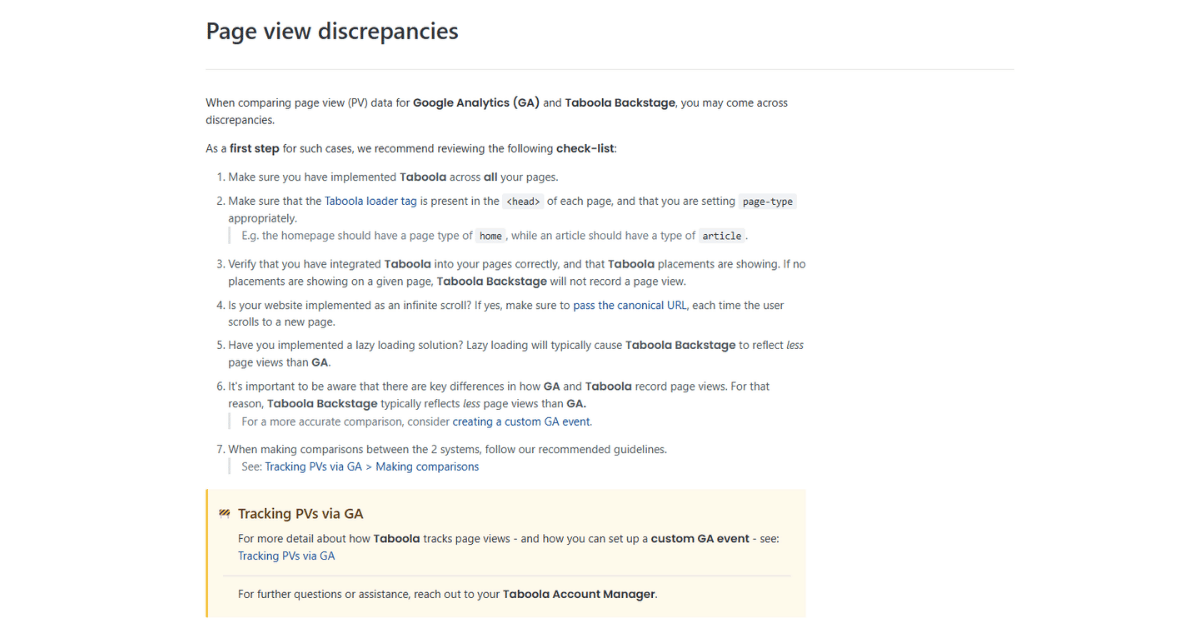
There is no published price list, so your first bids are estimates dressed as decisions. Budgeting only gets easier once you have your own numbers.
Service quality also reads unevenly across review sites, and support attention tends to track spend. If native is a side test, weigh Taboola against Outbrain before you commit a full budget to either one.
How Much Should You Budget Before Judging Taboola Ads?
Most people call Taboola a failure on a budget that was never big enough to learn anything. The bidding needs conversion volume before it does useful work.
Setting that number up front turns a vague test into a decision. It also stops the argument about whether the channel got a fair run.
What a Fair Test Actually Costs
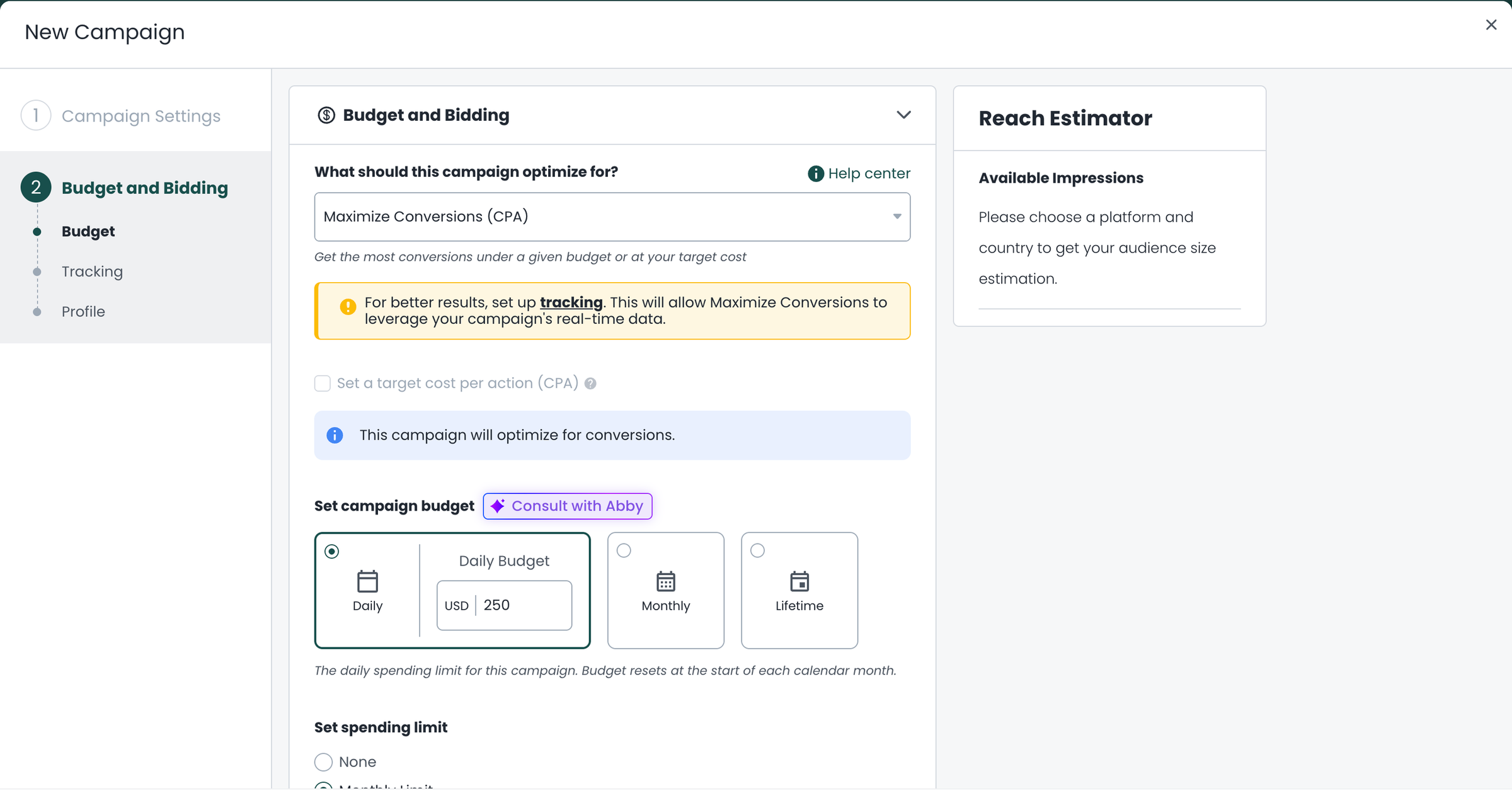
Taboola’s own guidance is unusually specific. Realize tells Maximize Conversions advertisers to set a daily budget of at least 10 times their target cost per action.
The floor is 50 dollars a day when that target sits under 5 dollars. Work backwards and a 50 dollar target action means 500 dollars a day, which is a real budget line rather than a trial.
| Target Cost Per Action | Minimum Daily Budget (10x Rule) | Approximate Monthly Spend |
|---|---|---|
| Under 5 dollars | 50 dollars (platform floor) | About 1,500 dollars |
| 10 dollars | 100 dollars | About 3,000 dollars |
| 25 dollars | 250 dollars | About 7,500 dollars |
| 50 dollars | 500 dollars | About 15,000 dollars |
- Pick one target action and one landing page
- Fund at least four weeks, not two
- Run three to five creative angles, not twenty
- Review placements weekly from day one
- Hold search spend steady so the comparison stays clean
Across our projects, the first honest read lands in week three to week five. Anything earlier is creative noise rather than a verdict on the channel.
If nobody in house can watch it weekly, an outsourced team costs less than a wasted quarter. Somebody has to read the placement report every week.
Where the Money Actually Goes
Spend splits in a pattern we see on almost every native account. Early money buys learning, and later money buys reach.
In our experience, about a third of first month spend goes to placements that get blocked. Most of the rest funds creative discovery, which is what our team usually gets called in to rescue.
Final Verdict: Who Should (and Shouldn’t) Use Taboola Ads
Use Taboola if you sell something people can discover, and if you can fund four honest weeks. Skip it if your pipeline depends on people already searching for you.
A Taboola Ads agency earns its fee on the boring parts. That means placement pruning and reporting nobody has to argue with.
Taboola Ads Pros and Cons FAQ
Disclaimer: This article is for general information only. Platform features, pricing, and policies change without notice, so verify current details with Taboola before making a buying decision. Vantura Marketing accepts no liability for actions taken on the basis of this content.