Construction Digital Marketing Automation: Tools & Tips

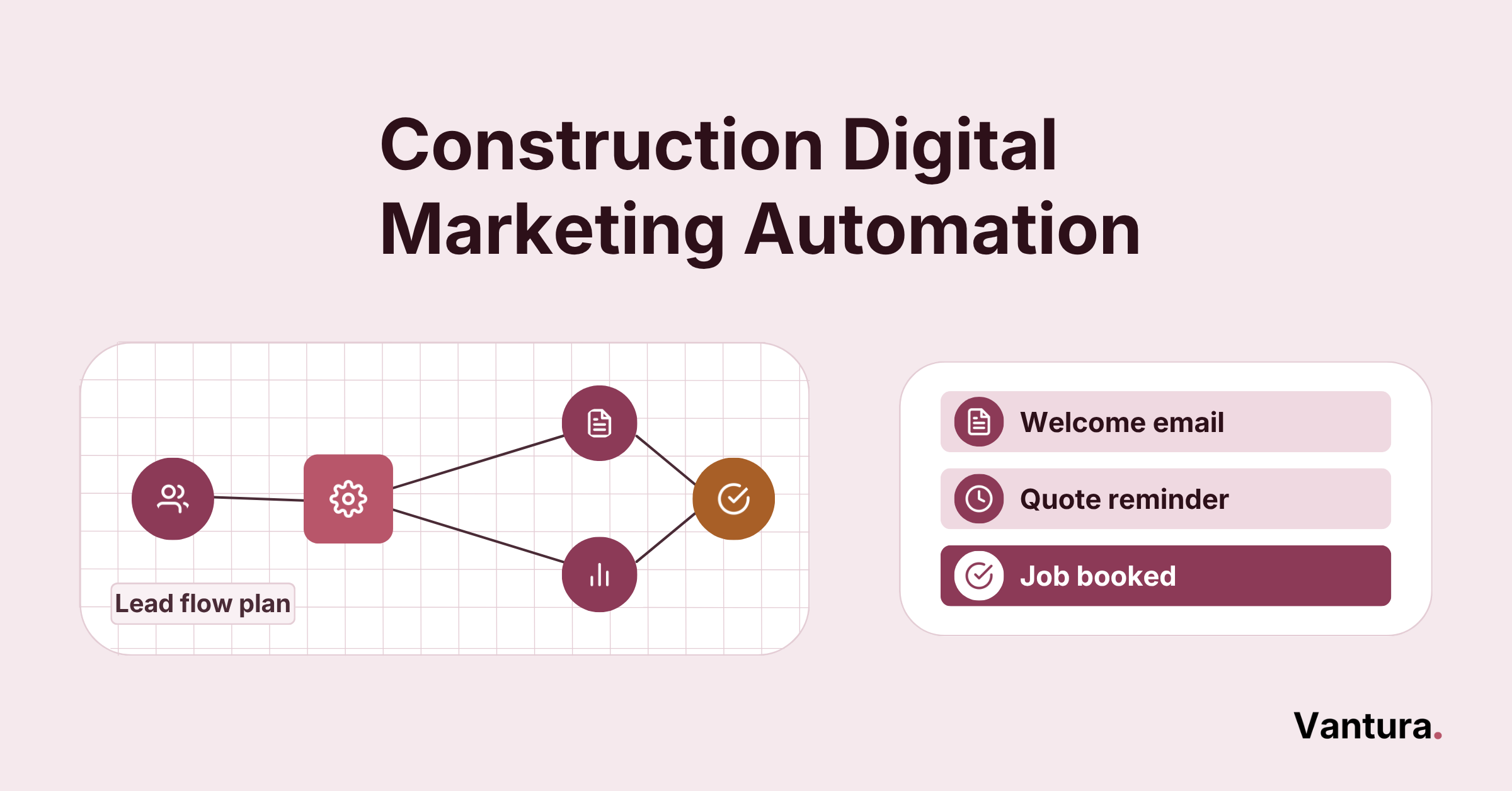
Construction digital marketing automation uses software to run repetitive marketing tasks for builders, contractors, and trades without hands-on work each time. It handles email, lead follow-up, social posts, and reporting from one connected system. Set up well, it turns slow manual outreach into steady, trackable pipeline growth.
Why Builders Trust Our Automation Work
We’ve built 90+ AI-powered marketing automations and delivered 180+ campaigns, with clients averaging a 4.2x lift in qualified leads inside 90 days. We’re an independent agency, so no vendor holds a stake in the tools we suggest.
Need Help Automating Your Marketing?
When crews are stretched thin, the fastest win is automating the follow-up that keeps slipping. We can shape that into an integrated digital marketing plan for your firm. Reach out whenever you’d like to compare notes.
What Is Construction Digital Marketing Automation?
Construction digital marketing automation is software that runs your marketing on set rules and triggers. It sends emails, scores leads, posts to social, and updates reports on its own. You set the logic once, and the system handles the busywork.
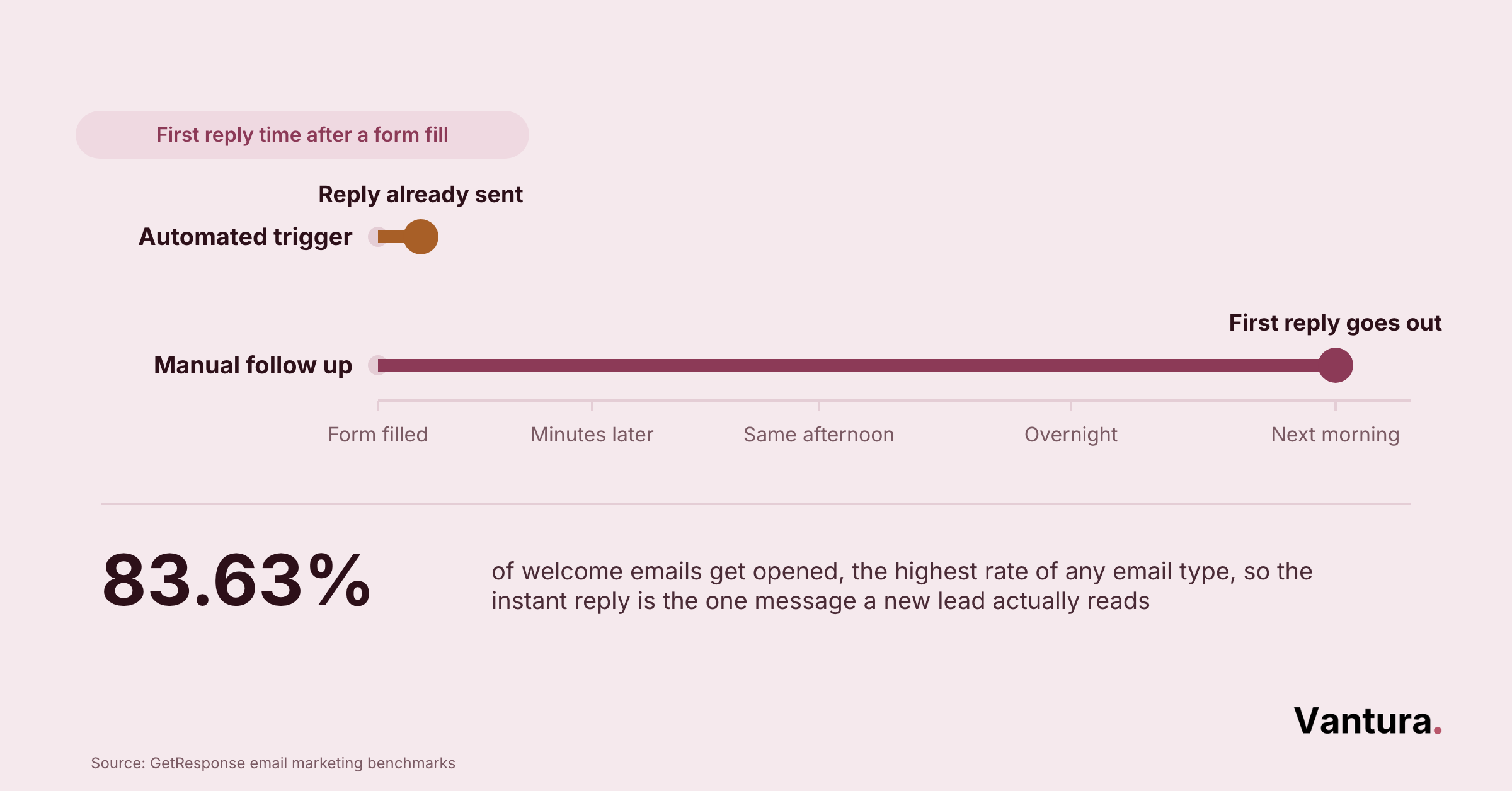
Most construction firms start with a pile of manual follow-up. A lead fills out a form, and someone remembers to reply two days later, or forgets entirely.
Automation closes that gap. The moment a lead arrives, the right message goes out, and every touch is logged for later. Good automation supports your digital marketing strategy rather than replacing the people behind it.
- Email and follow-up sequences
- Lead capture and scoring
- Social posting and scheduling
- Reporting and live dashboards
Quick definition: Marketing automation is not one tool. It’s a set of rules that connect your website, email, and CRM so a lead’s actions trigger the next step without anyone lifting a finger.
How Does Marketing Automation Work for Construction Firms?
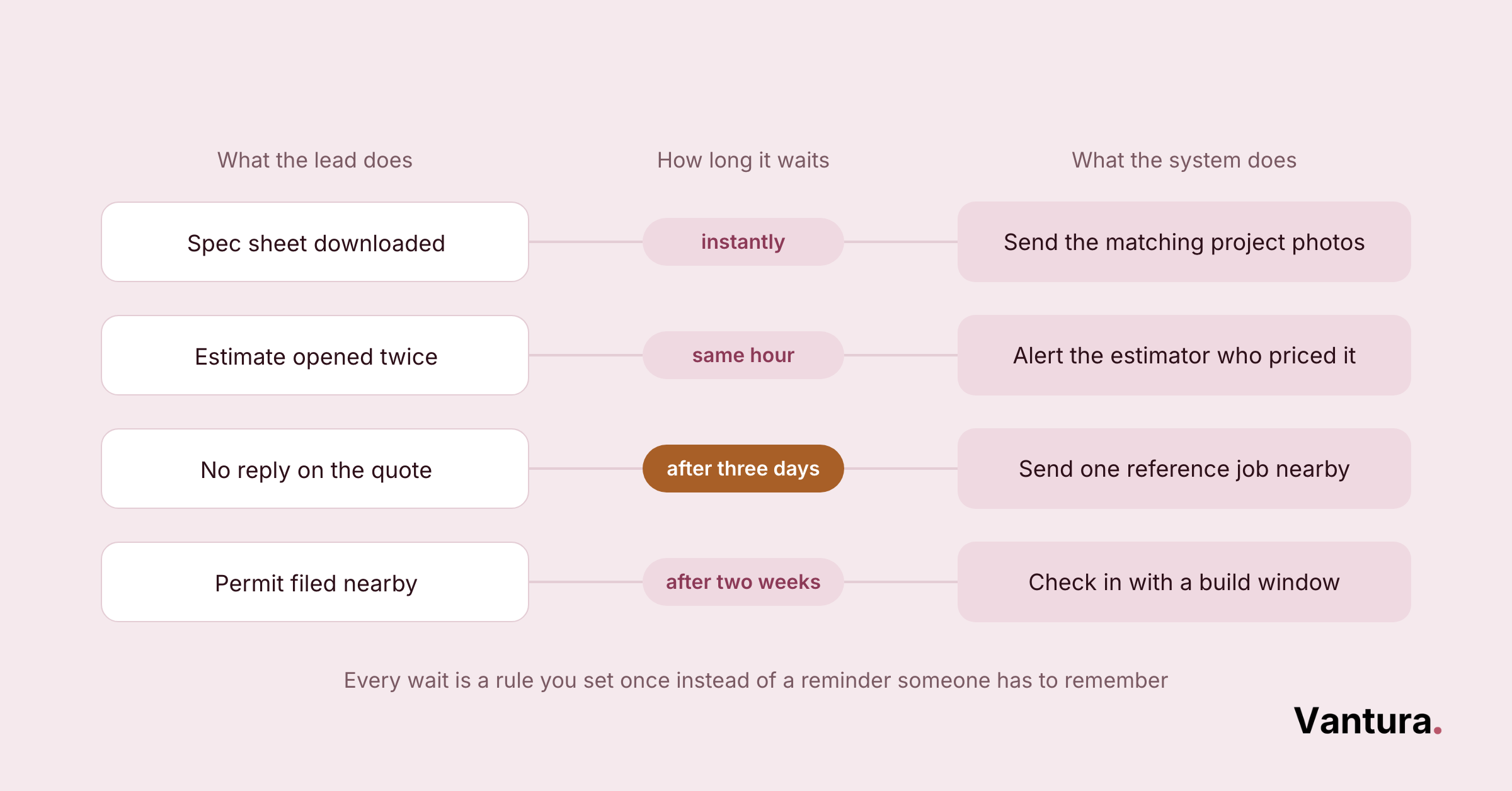
It works by pairing triggers with actions. A trigger is something a lead does, like downloading a spec sheet. An action is your system’s response, like sending a quote reminder.
String enough of these together and outreach runs itself. Construction firms that used to chase every lead by hand are now automating the same steps other industries settled years ago, and the gap between the two shows up directly in booked jobs.
Because most construction work is business to business, your automation should mirror how B2B digital marketing buyers research long before they call. That means patient nurturing, not a hard sell on day one.
Before and After Automation
- Leads sit in an inbox until someone replies
- Follow-up depends on memory and free time
- No record of who saw what
- Replies fire the second a form is filled
- Every lead gets the same reliable sequence
- Each touch is tracked and scored
Which Construction Marketing Automation Platforms Should You Compare?
Compare tools on three things. Look at how well they connect to your CRM, how easy the workflow builder is, and what they cost as you grow.
Leading options include HubSpot, ActiveCampaign, and Mailchimp, plus niche tools built for contractors and home services. The best pick is the one your team will use every week. If the shortlist gets overwhelming, a short round of digital marketing consulting can narrow it fast.
Weigh that cost against the alternative of hiring for the work by hand. A single in-house Marketing Manager alone commands a national salary range of $90,250 to $127,500, before benefits, software, or team overhead are added in, so even a premium platform is a fraction of one hire.
An all-in-one suite keeps email, forms, CRM, and reporting under one login. It’s simpler to run and a good fit for a small office.
An assembled stack pairs your favorite tools through connectors. It gives more control, but someone has to own the plumbing and the fixes.
| Setup style | Best fit | Trade-off |
|---|---|---|
| All-in-one suite | Small offices, one marketer | Less flexible at the edges |
| Assembled stack | Firms with tech help on hand | More upkeep between tools |
| Native CRM automation | Teams already deep in a CRM | Weaker on content and social |
Automating Email and Lead Nurturing Sequences
Email and nurturing are where automation earns its keep in construction, because bids move slowly and steady follow-up wins the job.
Email Workflows That Earn Replies
Email is where most construction automation pays off first. A welcome note, a quote reminder, and a check-in cover the bulk of what a busy estimator forgets.
Before you automate a single send, run a digital marketing audit on your list so you don’t scale bad data. Clean contacts make every later step work harder.
Lead Nurturing That Fits Long Bids
Construction deals rarely close in a week. Nurturing keeps your firm in mind through months of planning, permits, and budget talks.
Space your messages out and tie each one to a real stage. A drip that fires every day feels pushy, while a well-timed touch feels helpful.
| Sequence | Trigger | Goal |
|---|---|---|
| Welcome | New form fill | Reply and set expectations |
| Quote follow-up | Estimate sent | Keep the bid moving |
| Re-engagement | No reply in weeks | Revive a cold lead |
Worth knowing: A single quote follow-up sequence often recovers more work than a whole new ad campaign. The leads already know you, so a gentle nudge does most of the lifting.
How Do You Automate Social Media and Chatbots?
You automate social and chat by scheduling posts ahead and letting a bot answer the first question. Both keep your firm responsive while the crew is on site.
Social Scheduling on Autopilot
Batch a month of project photos and tips in one sitting. A scheduler drips them out so your feed stays active without daily effort.
Chatbots for Fast Site Answers
A simple bot can capture a name, service area, and job type at midnight. It hands warm leads to a person by morning with the details already filled in.
SMS and Push for Time-Sensitive Updates
Text and push alerts suit anything urgent, like an appointment window or a weather delay. Keep them rare and useful, since one spammy blast loses the opt-in fast.
Connecting Automation to Your CRM and Lead Scoring
Syncing Automation With Your CRM
Your CRM is the single source of truth for every lead and job. Automation should write to it and read from it, so nobody works off a stale spreadsheet.
The same wiring powers industrial digital marketing teams that manage long, technical sales cycles. Construction firms gain the same clean handoff from marketing to the sales desk.
Scoring Leads by Behavior
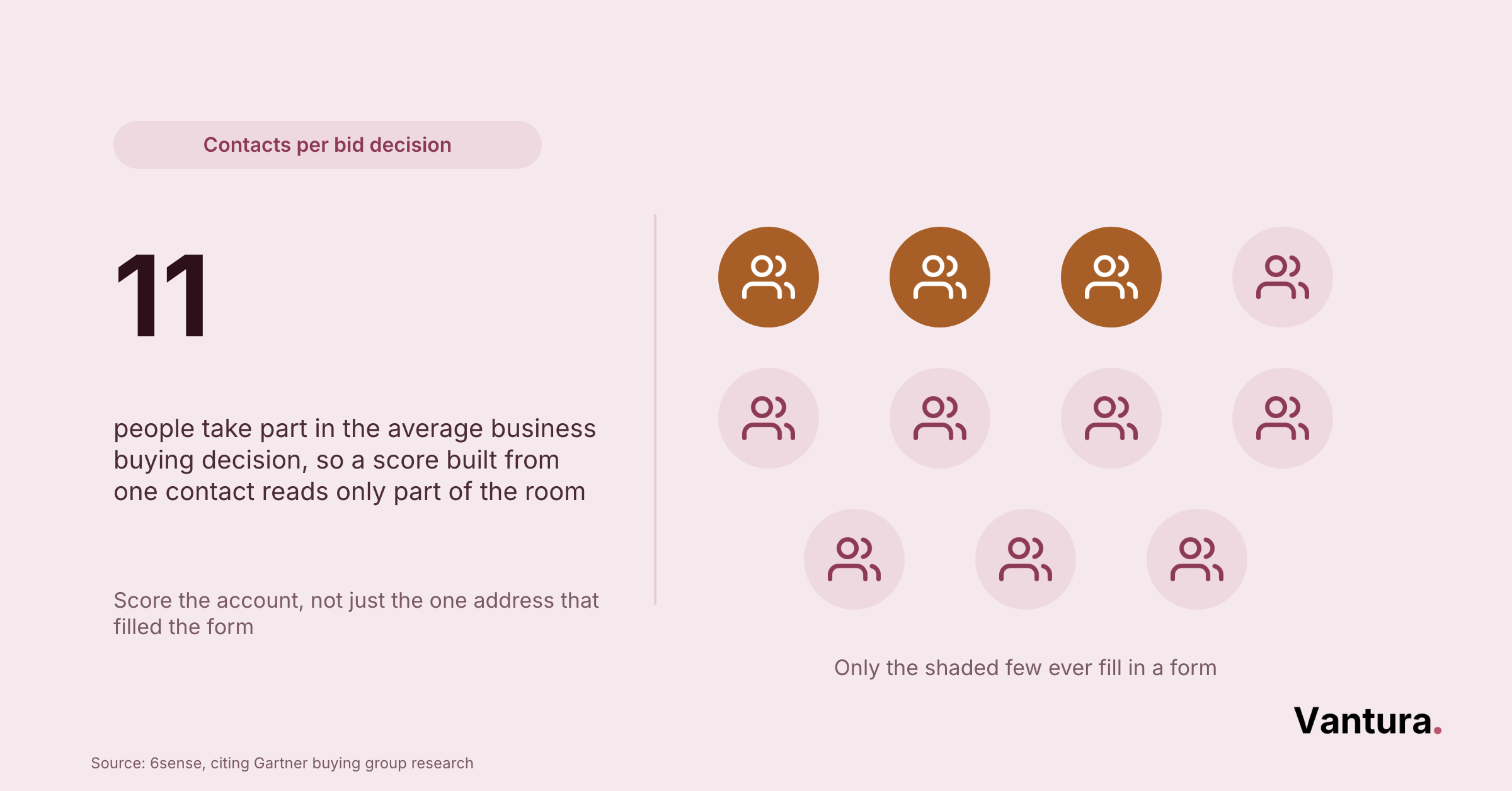
Lead scoring adds points for actions that show real intent. A viewed pricing page or a downloaded brochure counts more than a single click.
Add the points up and a lead crosses a threshold that marks it ready for a rep. Your team spends its hours on people ready to talk, not tire-kickers.
Keep in mind: Scoring only helps if sales agrees on what a hot lead looks like. Set the rules together first, or the handoff breaks and good leads slip through.
Behavior-Based Campaign Triggers
Scoring tells you a lead is warm. A trigger decides what happens next, firing a specific campaign the moment someone acts instead of waiting for a person to notice the score moved.
- Pricing page revisit fires a same-day sales alert
- Spec sheet download fires a technical follow-up email
- Abandoned quote request fires a reminder within hours
Each trigger should map to one clear action. A tight set of triggers beats a dozen loosely defined ones that overlap and end up confusing the lead.
How Do You Set Up Construction Marketing Automation?
A good setup starts small and proves itself before it grows. Here is the rollout order that works for construction teams.
The Rollout, Step by Step
Step #1: Clean Your Data
Start by fixing the list you already have. Merge duplicates, drop dead emails, and tag contacts by job type.
Step #2: Map the Buyer Journey
Write down how a lead moves from first click to signed contract. Each stage becomes a place where automation can help.
Step #3: Build Core Workflows
Start with two or three workflows, not twenty. A welcome flow and a quote follow-up cover most of the early value.
Step #4: Test and Launch
Run each flow on yourself before real leads see it. New firms often start small, the same way digital marketing services for startups build momentum from a lean base.
Automation Reporting and Personalization at Scale
Automation only helps if you can see what it is doing and keep messages personal as volume grows.
Reports Worth Watching
Good reporting shows which workflows drive booked jobs, not just opens. Watch a few signals closely and skip the vanity numbers.
In our experience, most owners feel confident their marketing drives revenue, yet few can point to which workflow booked which job. Construction automation closes that exact gap by tying every workflow back to a booked job, not just an open or a click.
Personalization is what makes scale feel human. When a message names the right service and region, it reads like a note, not a broadcast. Property-heavy firms borrow the same playbook as real estate digital marketing, where a personal touch drives repeat referrals.
| Automation signal | What it shows | Check frequency |
|---|---|---|
| Email replies | Message and timing fit | Weekly |
| Form fills | Demand from live campaigns | Weekly |
| Page revisits | Buying intent building | Monthly |
Should Small Construction Teams Use Marketing Automation?
Yes, and small teams often gain the most. When one person wears five hats, automation quietly covers the follow-up that keeps falling off the list.
A Lean Starter Stack
You don’t need an expensive setup to begin. One email tool tied to your website and CRM handles the first big wins.
- A form on every service page
- An automatic reply within minutes
- A short nurturing sequence for quotes
- A simple weekly report
When there’s no marketer on staff, many firms outsource their digital marketing and keep automation running without new hires. It’s a fast way to stay consistent through a busy season.
From our projects: The smallest crews see results quickest because they had the least follow-up before. Even one reliable reply sequence can lift booked calls in the first month.
Common Construction Marketing Automation Mistakes to Avoid
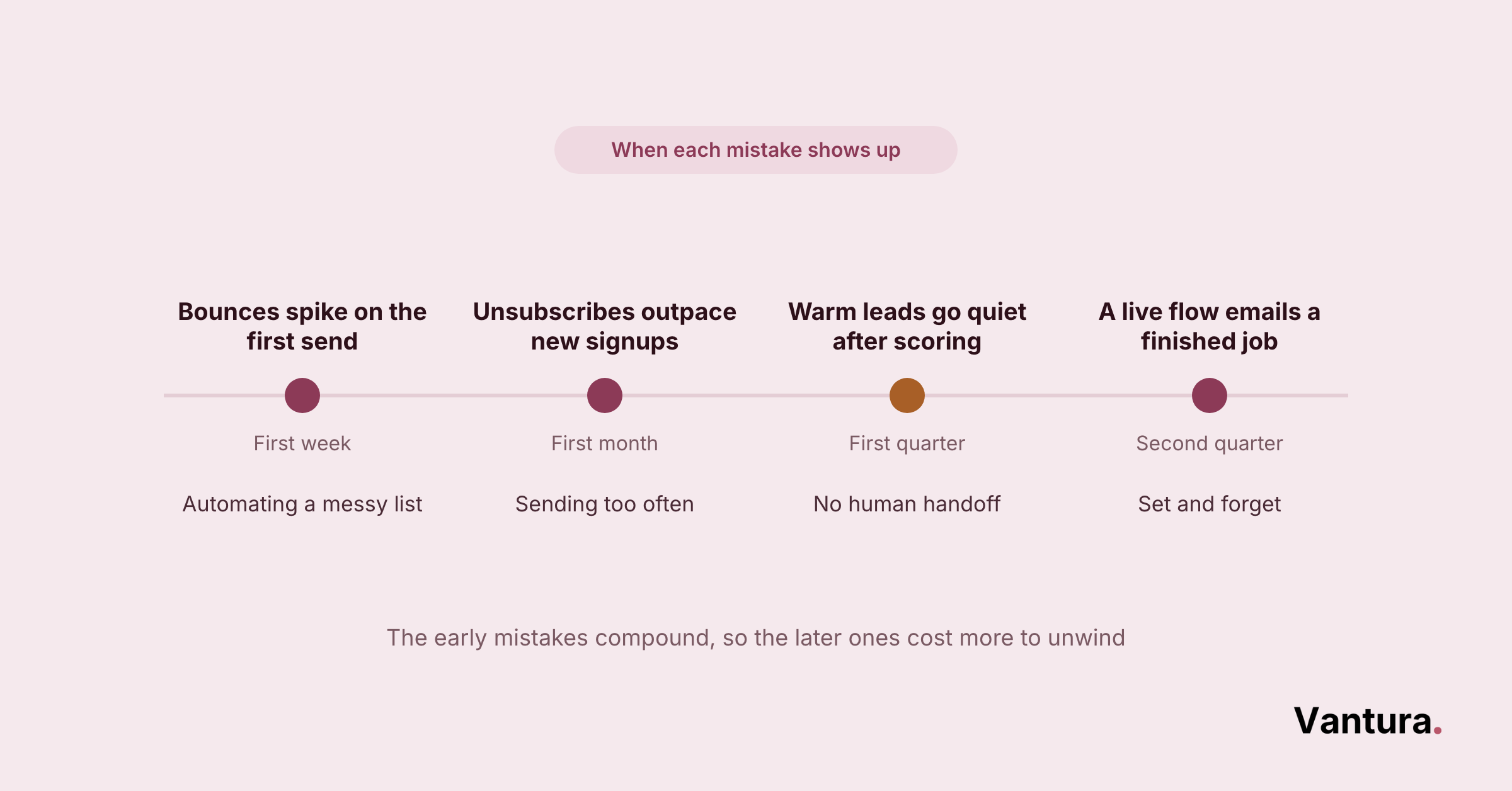
Most automation problems come from doing too much too soon. A few habits cause the bulk of the pain.
- Automating a mess: bad data just goes out faster and wider
- Too many emails: daily sends push leads to unsubscribe
- No human handoff: hot leads stall with no rep in the loop
- Set and forget: flows drift out of date without a monthly check
Small crews feel these fastest, which is why small business digital marketing leans on tight, simple workflows. Fewer moving parts means fewer ways to break.
How Do You Measure Marketing Automation ROI in Construction?
Measuring ROI starts with a short list of numbers that tie automation activity to booked work.
What to Track First
Tie automation back to booked jobs and reclaimed time, not open rates. Those two numbers tell the real story to an owner.
In our experience, construction firms reclaim 6 to 9 hours a week once follow-up runs itself. We’ve also seen reply rates on nurtured leads climb by roughly a quarter across our projects.
Keep the math simple against what those reclaimed hours would otherwise cost at a fully loaded admin rate. Once you weigh a day of saved work each week against a platform bill, automation that reclaims that time has already paid for itself.
Worth watching: The firms that stick with automation past the first quarter are the ones that review these numbers monthly, not just at renewal time. A quick monthly glance catches a stalled workflow before it costs real leads.
Planning for Automation Scalability
Scalable automation grows without a rebuild every time you add a service or region. The trick is to plan for more before you need it.
Name your workflows clearly and document what each one does. Larger contractors eventually need enterprise digital marketing guardrails so automation holds up across many branches. Structure now saves a painful cleanup later.
Bottom line: Build every workflow as if a second office opens next year. Clear names, tidy tags, and a short playbook make growth a copy-and-adjust job, not a rebuild.
How Is AI Changing Construction Marketing Automation?
Where AI Helps Today
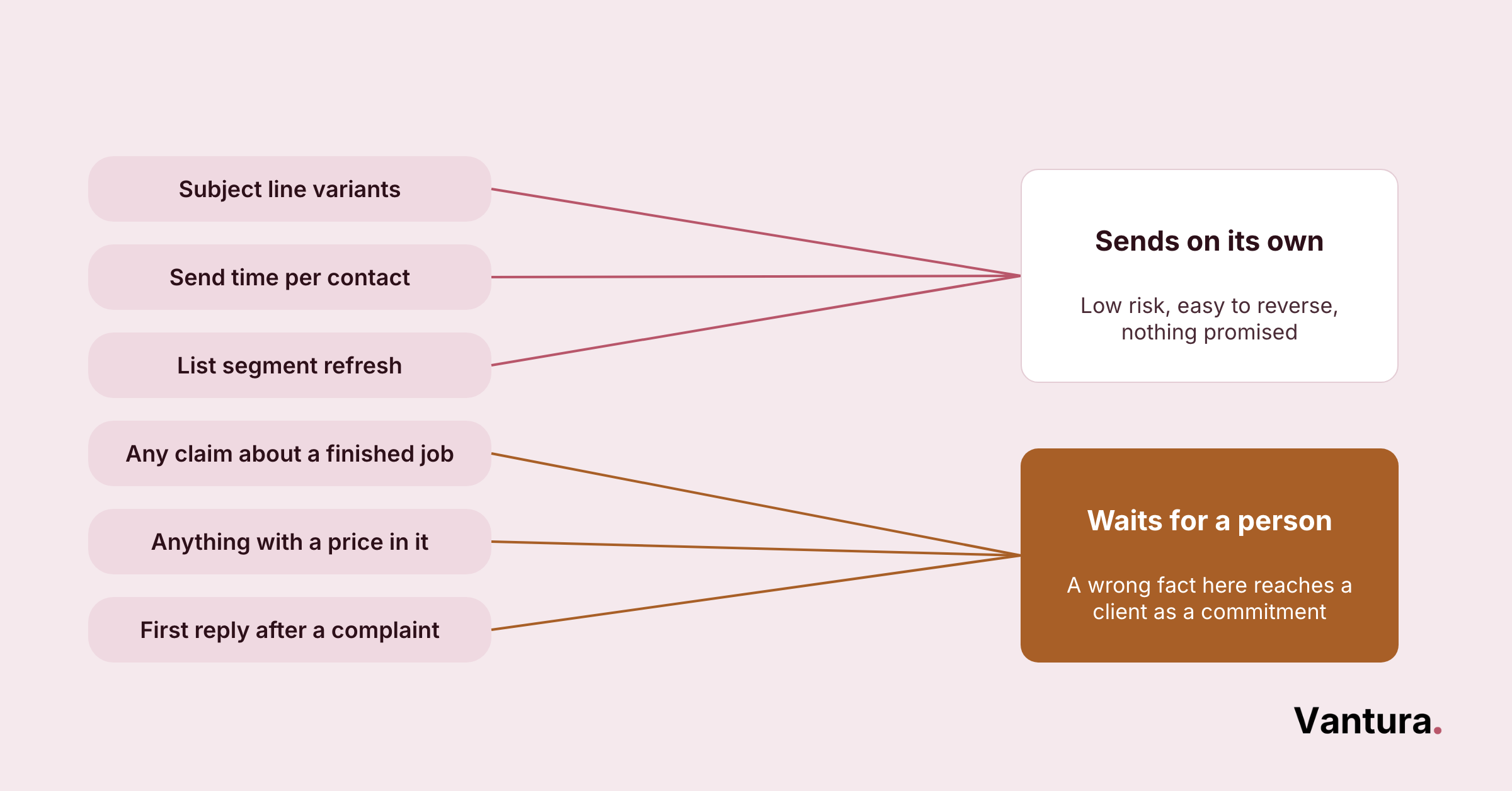
AI now drafts emails, sorts leads, and suggests the next best message. It speeds up the parts of automation that used to eat an afternoon.
The wins are real, but a person still checks the tone and the facts. AI writes a strong first draft, and your team keeps it true to the brand.
Agencies that run this for builders, including white label digital marketing partners, lean on AI to draft and sort at volume. The goal is more time with customers, not less human contact.
Disclaimer: This article is for general information only and is not professional marketing advice. Figures shown as ranges reflect our own project work, and results will vary by firm and market.