Construction Digital Marketing Campaigns: Examples & Tips

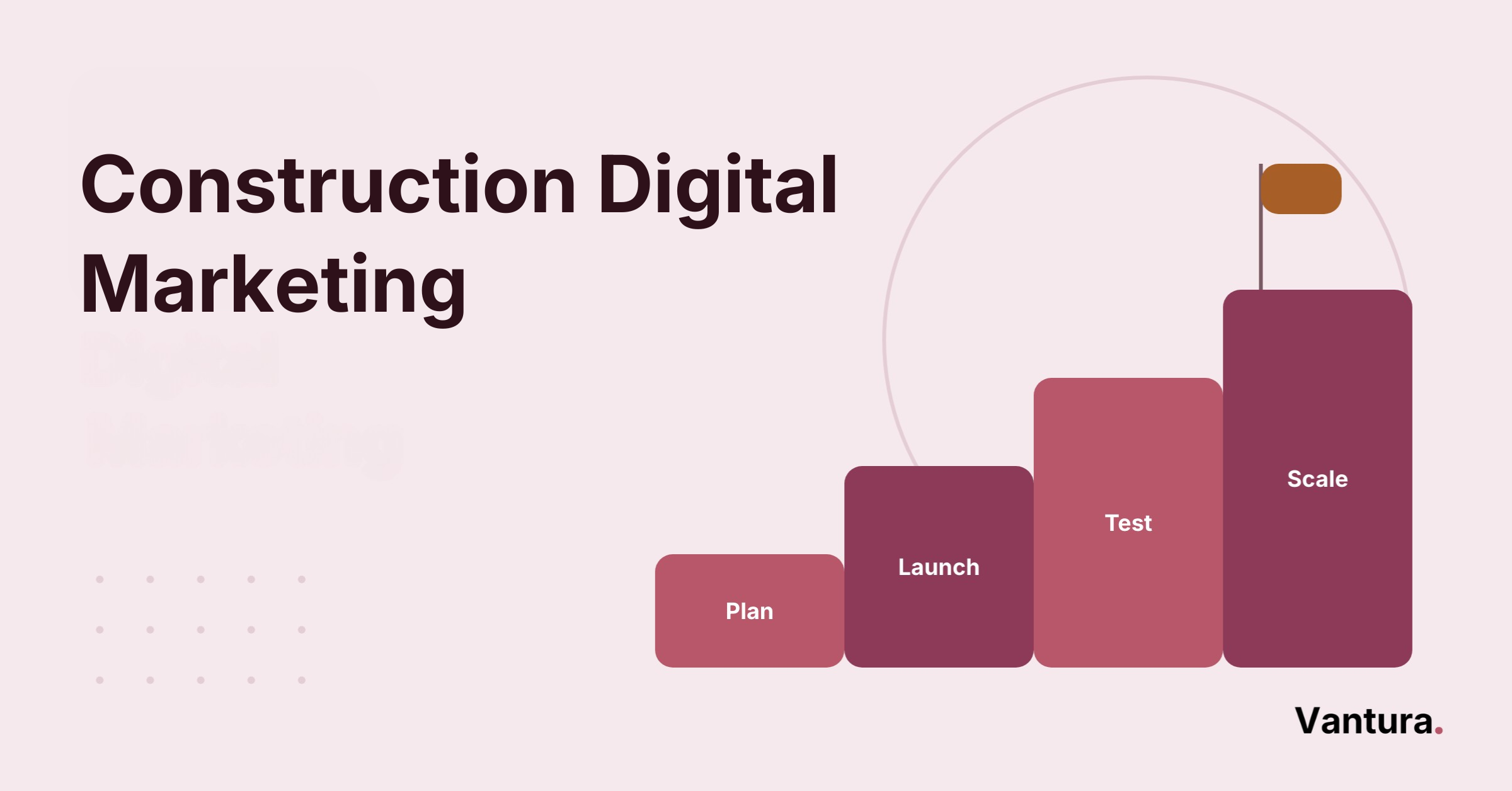
Construction digital marketing campaigns are focused, time-boxed pushes that use search, paid ads, and social to win specific jobs and leads. They work best when each campaign has one clear goal, a defined audience, and a channel mix built around how buyers search. Get the goal, message, and follow-up right, and a single campaign can keep your pipeline full for months.
Why teams trust our construction campaigns:
We’ve delivered 180+ campaigns and run 750+ A/B tests, so this advice comes from real launches, not theory. Across construction and other trades, our clients see about a 4.2x lift in qualified leads within 90 days.
Get help with your construction campaigns:
Want a second set of eyes on your plan? Reach out and we’ll map the channels and budget with you, including Pinterest ad campaigns that reach homeowners planning projects.
Below we walk through what makes these campaigns work, the main types, and a repeatable way to plan, launch, measure, and scale them. We’ve pulled the examples and tips straight from campaigns we’ve run for builders, contractors, and trade firms.
What Makes a Construction Digital Marketing Campaign Effective?
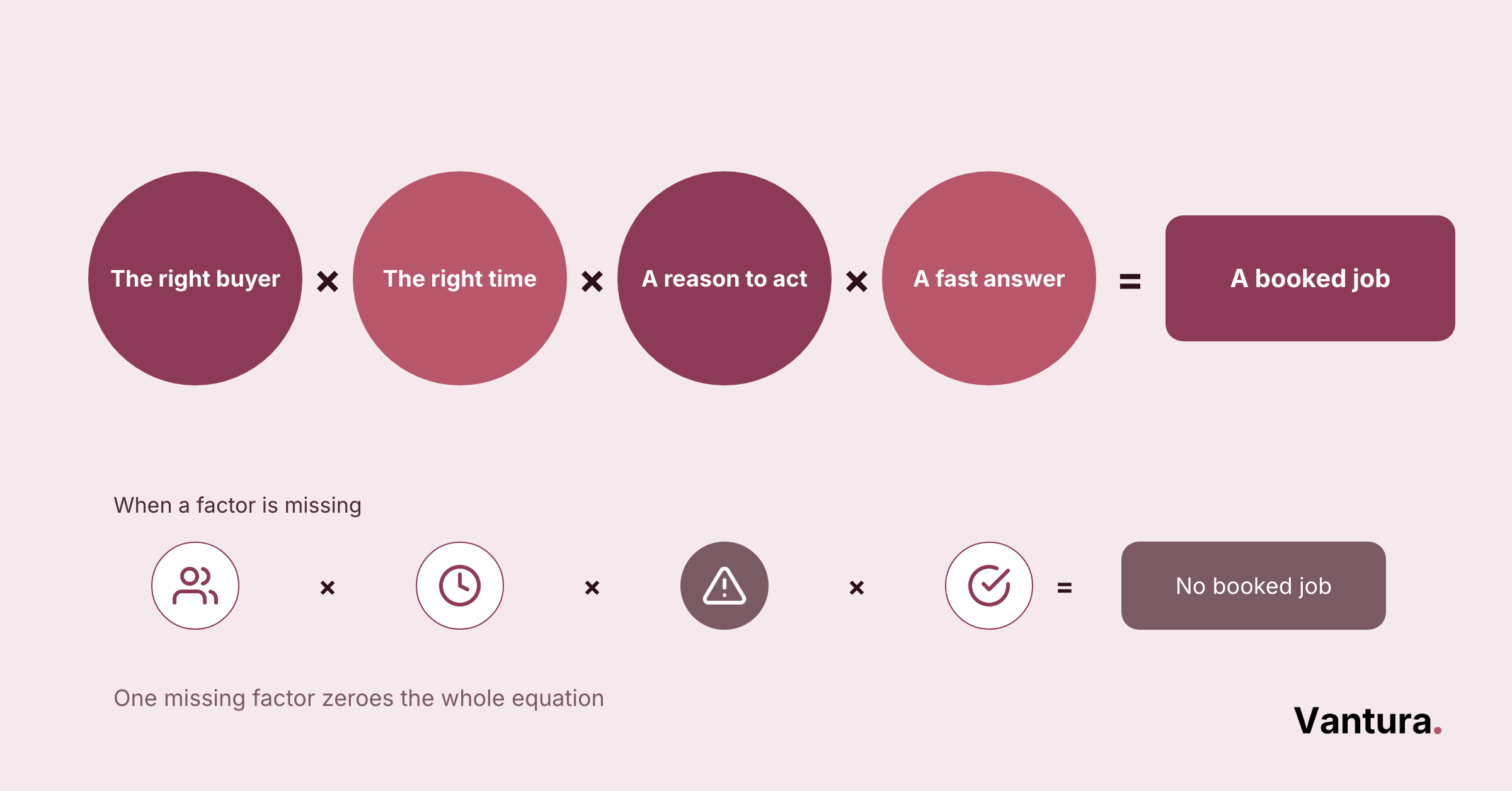
An effective construction digital marketing campaign matches one clear goal to the right audience and channel, then judges itself on a single primary metric. The best ones solve a real buyer problem, follow up fast, and cut anything that doesn’t move that number.
Most weak campaigns fail for the same reason. They try to do everything at once, so the budget spreads thin and no single goal gets enough fuel. A clear digital marketing strategy plan forces that single-goal discipline before a dollar gets spent.
Construction buyers also research for a long time before they call. In our own campaigns, most buyers visit a builder’s site three or more times, often across a few different devices, before they ever pick up the phone. Construction buyers now shortlist firms online the same patient way retail shoppers compare products.
So the campaigns that win are patient at the top and quick at the bottom. They stay visible while someone plans a project, then respond within minutes once that person raises a hand.
Strong construction campaigns tend to share three habits:
- One goal per campaign
- One primary metric to judge it
- A fast, human follow-up
Field note: In construction campaigns, the biggest lever often isn’t the ad itself. It’s reply speed, because most buyers hire whoever answers first.
What Types of Construction Digital Marketing Campaigns Are There?
Construction digital marketing campaigns fall into a few clear types. Each is built around a different goal, like leads, awareness, a seasonal push, a launch, or retargeting. You pick the type first, then the channels follow. Mixing goals inside one campaign is the fastest way to waste budget. That’s why a short marketing consulting session up front tends to pay for itself.
The table below maps the common types to the channels that fit them and the metric each one should be judged on. Use it as a starting menu, not a rulebook.
| Campaign goal | Best-fit channels | When it fits a construction firm | Primary metric |
|---|---|---|---|
| Lead generation | Google Search, local service ads, paid social | You have crews free and want booked jobs now | Cost per qualified lead |
| Brand awareness | Native ads, video, paid social | You’re new to a region or bidding bigger work | Reach and branded search lift |
| Seasonal push | Search, email, retargeting | Weather or budget cycles drive demand | Bookings during the window |
| Service launch | Email, paid social, landing pages | You’re adding a new service line | Qualified inquiries for that service |
| Retargeting | Display, native, paid social | Traffic is high but quotes are low | Return visits and form fills |
Two ways to run a construction digital campaign
Most firms run some blend of organic and paid work. The split usually comes down to how fast you need results and how much budget you can commit.
- Local SEO and project pages
- Google Business Profile posts
- Job-site photos and reviews
- Slower to build, cheaper to hold
- Search and local service ads
- Paid social and native
- Retargeting to warm visitors
- Fast to launch, needs steady spend
How Do You Plan a Construction Digital Campaign Step by Step?
Plan a construction digital campaign by setting one goal, defining the audience, and choosing the channels. Then size the budget, build the offer, and wire up tracking before you spend a dollar. Each step feeds the next, so skipping one usually shows up later as a leaky funnel. Firms that skip this stage often circle back to a marketing audit once the leaky funnel shows up in the numbers.
We keep the steps collapsed below so you can jump to the one you need. Work them in order the first time, then reuse them as a checklist for every launch.
Budget and resource planning
Most construction firms overthink the total and underthink the split. A tighter plan puts more money where intent is highest and less on channels that only build slow awareness.
- Weight spend toward high-intent search
- Hold back about 10 to 20 percent for tests
- Budget staff time for fast replies
- Leave room to shift money mid-flight
Worth knowing: A campaign rarely fails on budget size. It fails on where that budget points, so fix the mix before you ask for more money.
Who Should a Construction Campaign Target, and What Should It Say?
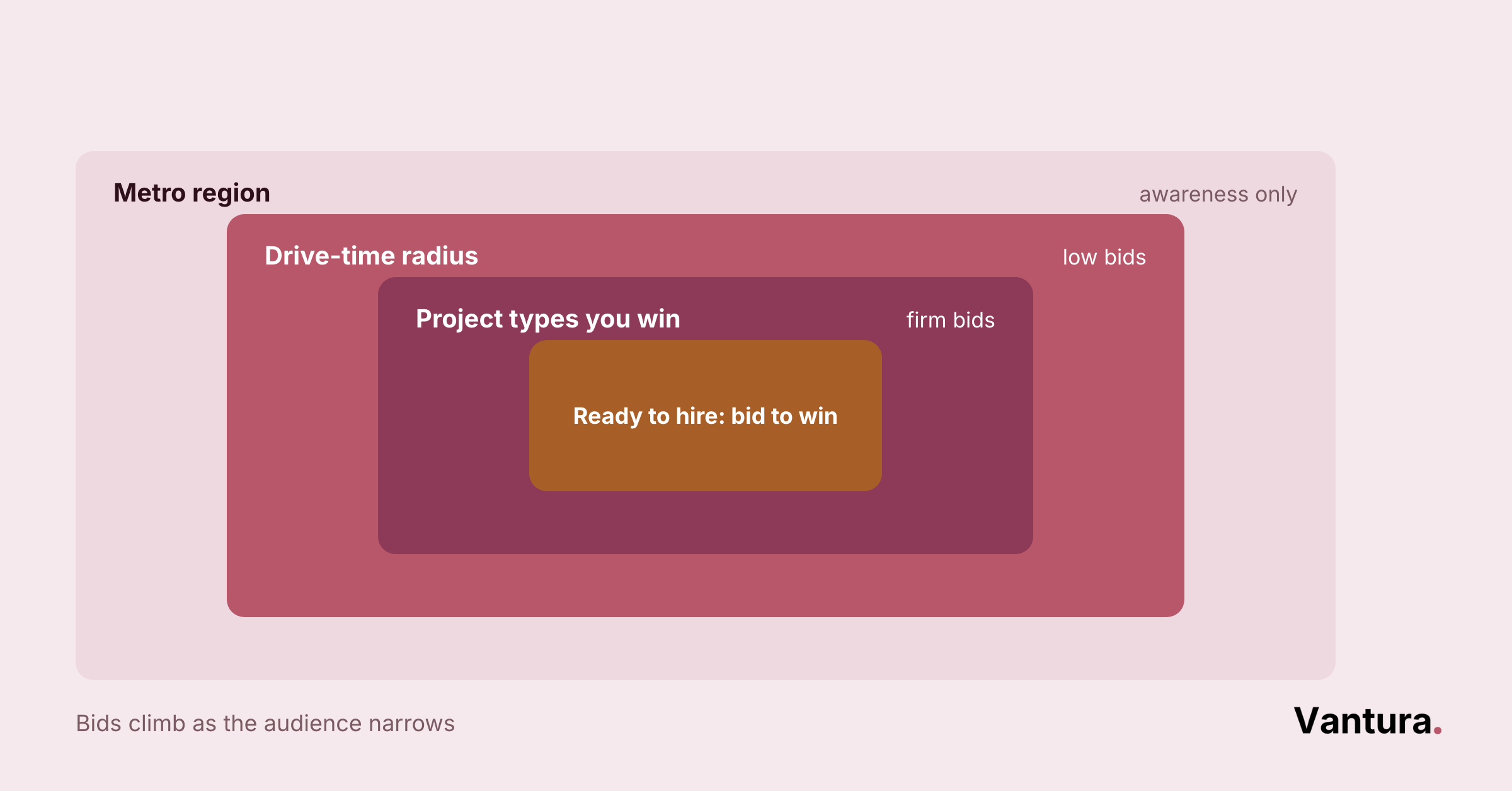
Target the specific buyer and project you can serve well, then speak to the problem they’re trying to solve. Broad targeting and vague messaging are the two most common reasons construction ads burn cash without booking work.
Construction digital campaign audience targeting
Start narrow. Layer location, project type, and intent so your ads reach people who can hire you, not just anyone typing the word “renovation.”
Different buyers also gather in different places. Homeowners browse visual and social feeds, while contractors and specifiers cluster in niche forums. That’s why Reddit ad campaigns can reach trade audiences that search alone misses.
- Set a real service radius, not the whole state
- Separate residential and commercial intent
- Exclude tire-kicker and job-seeker terms
- Build lookalikes from your best past clients
Messaging and creative direction
Good construction creative shows the work and names the payoff. A clear photo of a finished job beats a stock image and a slogan every time. That matters most with industrial buyers, who read the fine print before the headline.
Lead with the outcome the buyer wants, whether that’s a faster build, a cleaner site, or a fixed quote. Then back it with one proof point, like a real project or a warranty.
Message hooks that tend to work
- Speed: clear timelines and start dates
- Trust: licenses, reviews, and real photos
- Certainty: fixed quotes and no surprise costs
- Ease: one contact from quote to finish
How Do You Run a Construction Campaign Across Multiple Channels?
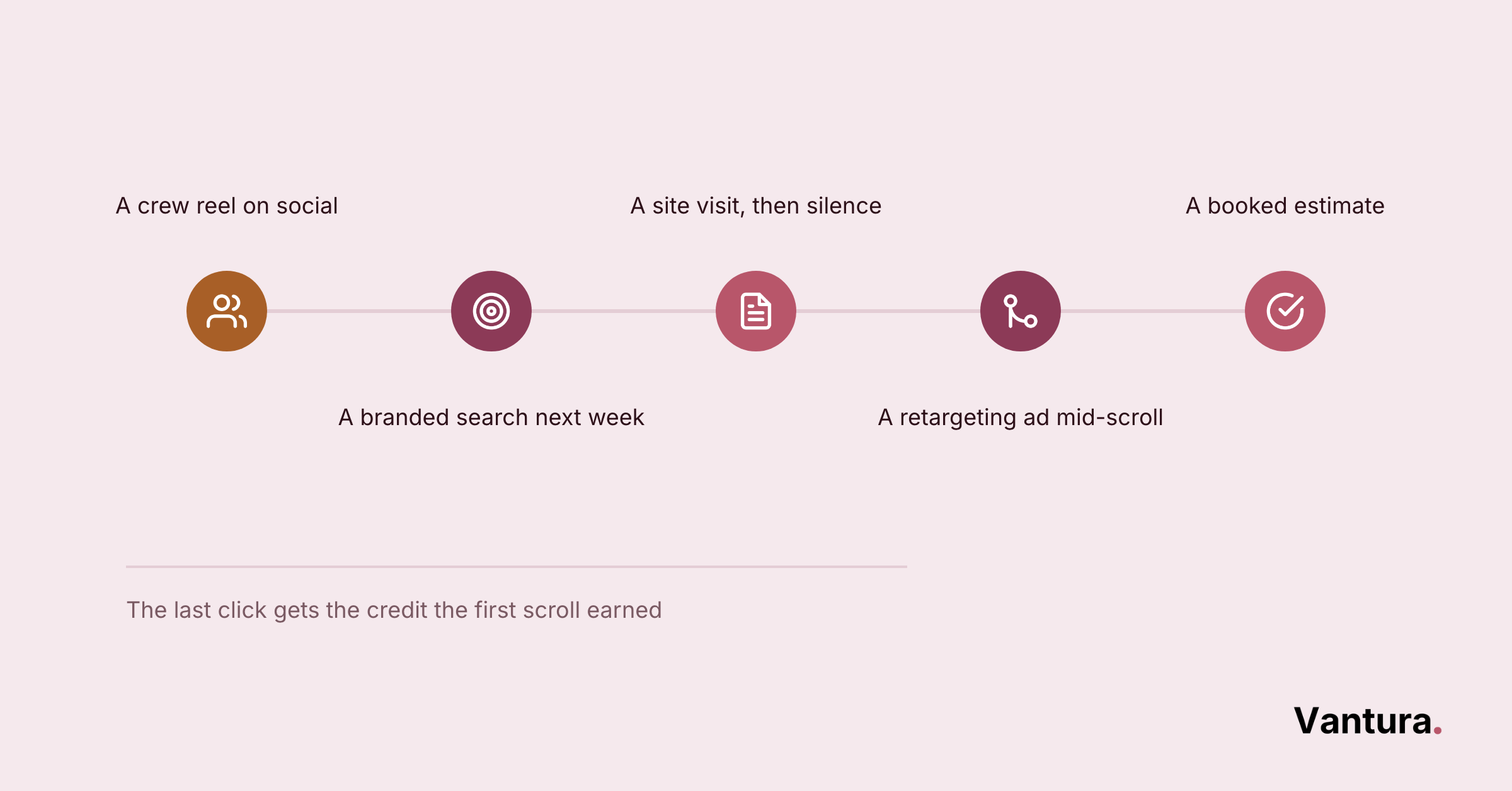
Run a multichannel construction campaign by keeping one goal and one message while adapting the format to each channel. The channels should hand buyers between them, not compete for the same click twice.
Multichannel construction digital campaign coordination
Think of the channels as a relay. Awareness formats spark interest, search catches the ready buyer, and retargeting brings back the ones who stalled.
Native placements are useful early, since they slot project stories into content people already read. Well-run native ad campaigns warm up a region before your search ads ever have to work hard.
Social replies carry more weight than most builders expect. Brand posts that reply to audience comments on LinkedIn earn about 30 percent more engagement than posts that leave comments unanswered, per Buffer. Treat every comment on a job-site photo as a lead worth a real answer.
Launch and execution workflow
A clean launch beats a clever one. Stage everything, test the tracking with a small spend, then open the budget once you see leads landing correctly.
- Soft launch to one channel first
- Confirm leads reach the CRM
- Then scale spend across the mix
Automation and scheduling
Automate the boring parts so your team can focus on replies. Schedule ads around business hours, and trigger an instant text or email the moment a form comes in.
Broad reach still has a place, especially for recruiting crews or reaching younger homeowners. That’s where Snapchat ad campaigns can add cheap local impressions on top of your core channels.
Construction Digital Campaign Playbooks by Goal
Each goal needs its own playbook. Below are the five we lean on most, with the angle that tends to work for construction and trade firms.
Lead generation campaign frameworks
Lead gen is where most construction budgets belong. The framework is simple, though the follow-up is where firms win or lose. It’s the frame smaller crews lean on most when they compare against small business marketing budgets.
- Framework 1: search plus a free estimate offer
- Framework 2: local service ads with fast callbacks
- Framework 3: lead magnet, then an email sequence
Brand awareness campaign tactics
Awareness pays off when you’re new to a market or chasing bigger contracts. Keep it visual, and repeat one simple idea until the market remembers your name. The same pattern shows up in a wider enterprise marketing push aimed at larger accounts.
Product and service launch strategies
Launching a new service line works best as a short, focused campaign. Build a dedicated page, warm your existing list first, then add paid reach.
Seasonal and event-based campaigns
Weather, budget cycles, and local events all shape construction demand. Plan these pushes early, since the best keywords get expensive once the season starts.
Retargeting within the funnel
Most site visitors leave without calling, and that’s normal for a big purchase. Retargeting keeps your work in front of them while they compare and plan.
Quick tip: Retargeting looks cheap because clicks are low, but it only works if the first visit was real interest. Feed it warm traffic, not accidental clicks.
How Do You A/B Test a Construction Digital Campaign?
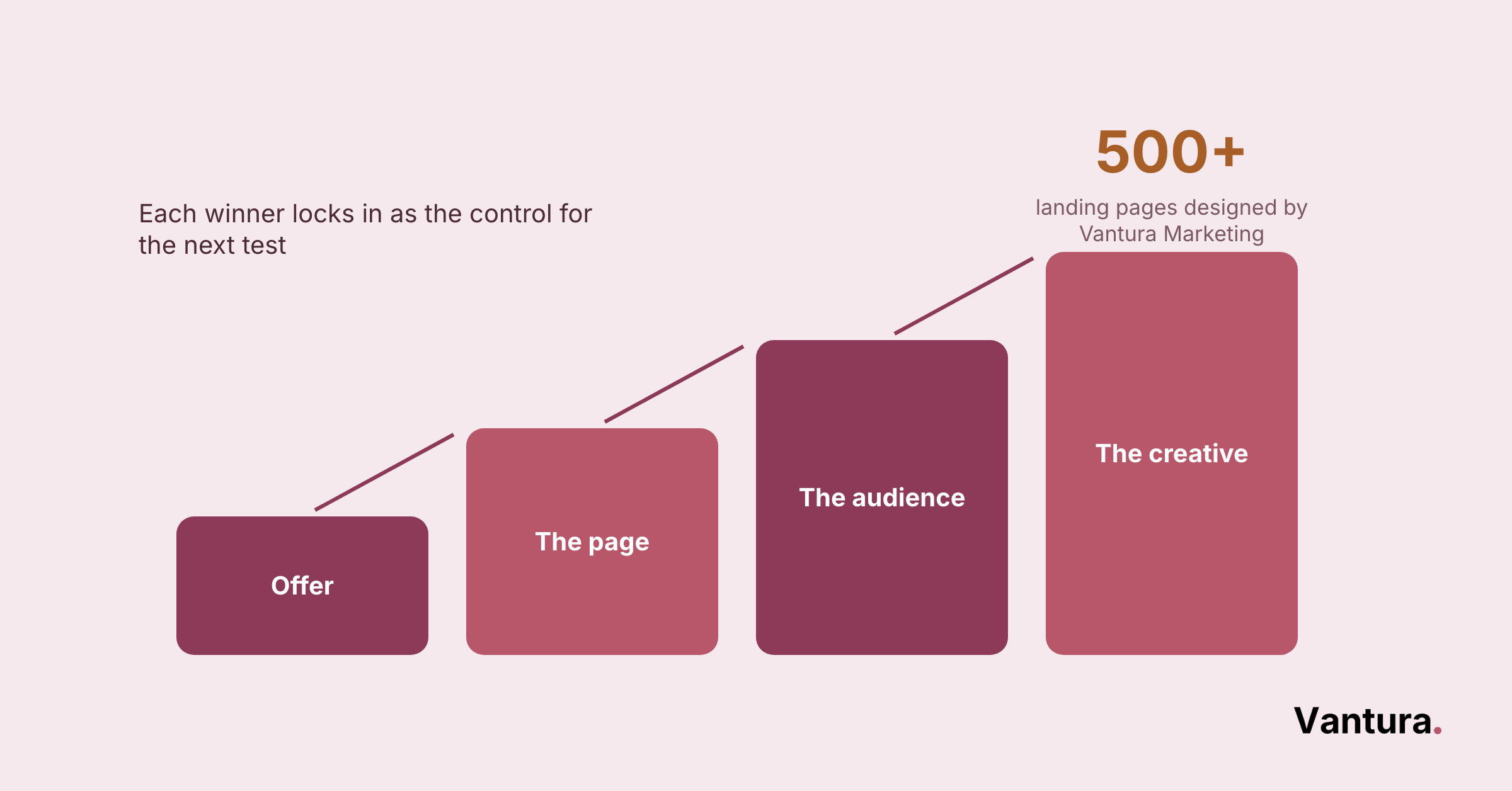
A/B test a construction campaign by changing one thing at a time and giving it enough leads to reach a clear result. Test the parts that drive the most decisions first, like the offer and the landing page.
Small tweaks rarely move the needle for construction. A new offer or a different hero photo will teach you more than a button color ever will. That lesson carries over just as well to real estate marketing pages selling a finished space.
Run tests in this order:
- The offer or promise
- The landing page headline and photo
- The audience or location
- The ad creative itself
Give each test a fair window before you call it. Ending a test after a handful of leads usually means you’re reading noise, not a result.
Which Metrics Show a Construction Campaign Is Working?
The metrics that matter are cost per qualified lead, booked consultations, and landing page conversion rate. Also watch return on ad spend and how fast you reply to leads. Vanity numbers like impressions look nice, but they don’t pay crews.
The table below ties each metric to what it actually tells you and where to watch it. Track a small set well rather than a huge dashboard nobody reads.
Firms scaling toward multiple regions often add franchise marketing reporting on top of this table. Each location needs its own read on the same five numbers.
| Metric | What it tells you | Where to watch it |
|---|---|---|
| Cost per qualified lead | Whether spend turns into real prospects | Ad platform plus your CRM |
| Booked consultations | If leads become actual sales chances | CRM or calendar |
| Landing page conversion rate | How well the page sells the offer | Site analytics |
| Return on ad spend | If the campaign pays for itself | Ad platform plus revenue data |
| Lead reply time | Whether follow-up is fast enough to close | Call tracking and CRM logs |
Reporting and the post-campaign review
After a campaign ends, run a short review while the details are fresh. Write down what worked, what flopped, and what you’d change before the next push.
Keep the report to one page. A tidy record of cost per lead and close rate becomes the baseline every future campaign has to beat.
How Do You Optimize Construction Campaigns While They Run?
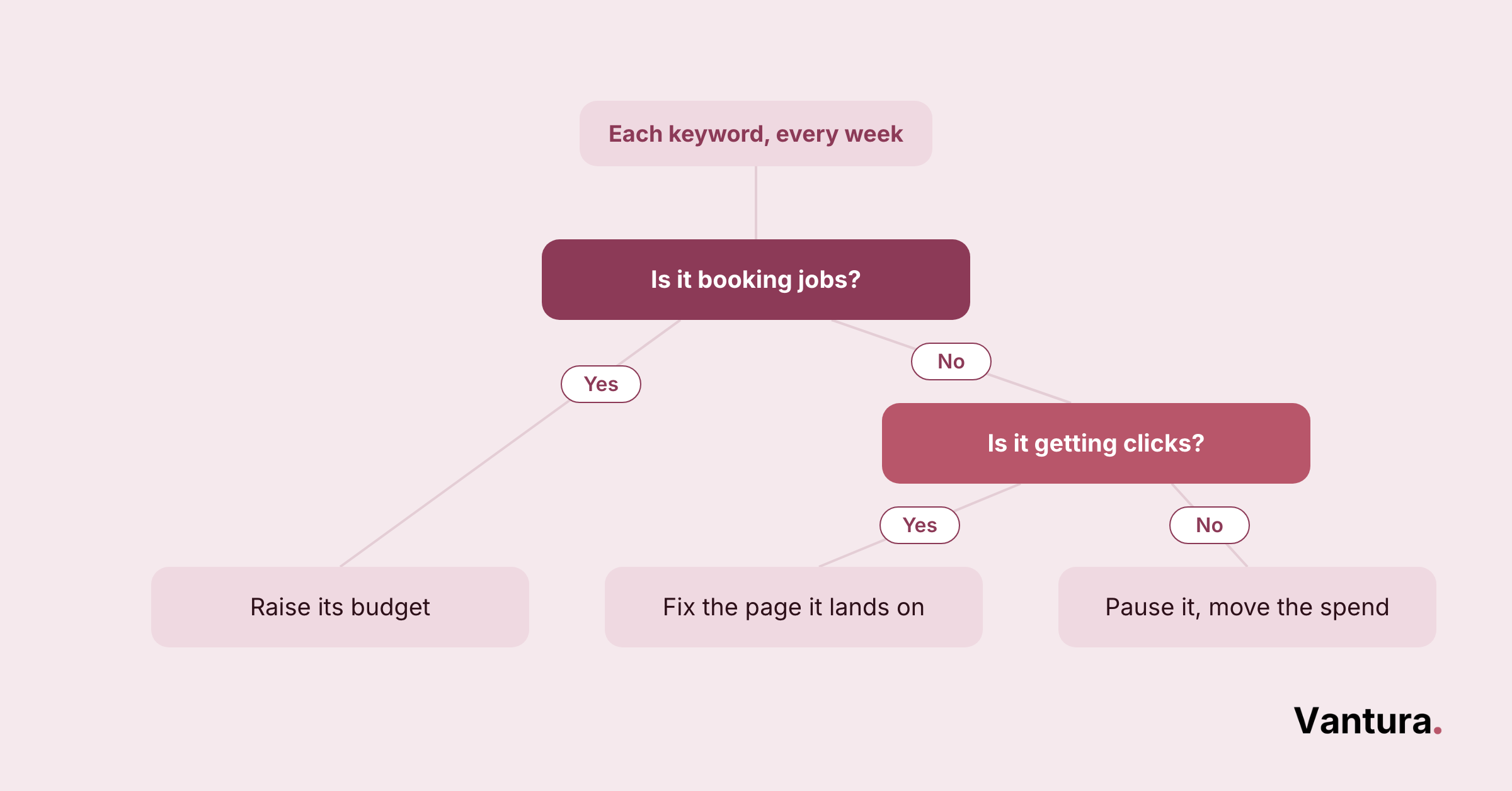
Optimize a live construction campaign by checking it often, shifting budget to what converts, and pausing what doesn’t. Small, steady changes beat one big overhaul halfway through the flight.
Watch the leads, not just the clicks. A keyword can look cheap and still send you people who never book, so judge everything by booked work.
- Move budget toward winning ads weekly
- Add negative keywords as junk terms appear
- Refresh creative before it goes stale
- Fix slow reply times before anything else
Keep in mind: Real-time tweaks help, but resist changing everything at once. If you touch five things and results move, you’ll never know which one did it.
Construction Digital Campaign Examples That Drove Results
The examples below are drawn from campaigns we’ve run for construction and trade firms. Names are left out, but the setups and the lessons are real.
A regional design-build firm
This firm had steady traffic but few quotes. We tightened targeting to two service areas, rebuilt the estimate page, and added instant lead replies.
Across the next quarter, cost per qualified lead dropped by roughly a third. In our experience, the reply-speed change did more than any ad edit.
A commercial roofing contractor
Here the goal was bigger contracts, so awareness came first. Native and video built recognition, and search caught the buyers once bids opened.
Branded searches climbed noticeably over the campaign. The pipeline of larger jobs grew because the name was already familiar when RFPs landed.
A custom home builder
Long sales cycles were killing momentum, since buyers took months to decide. We layered retargeting and a monthly email so the builder stayed present the whole time.
More of the slow leads eventually booked. The lesson was patience, paired with a follow-up that never let the lead go cold.
How Do You Scale a Construction Campaign That Works?
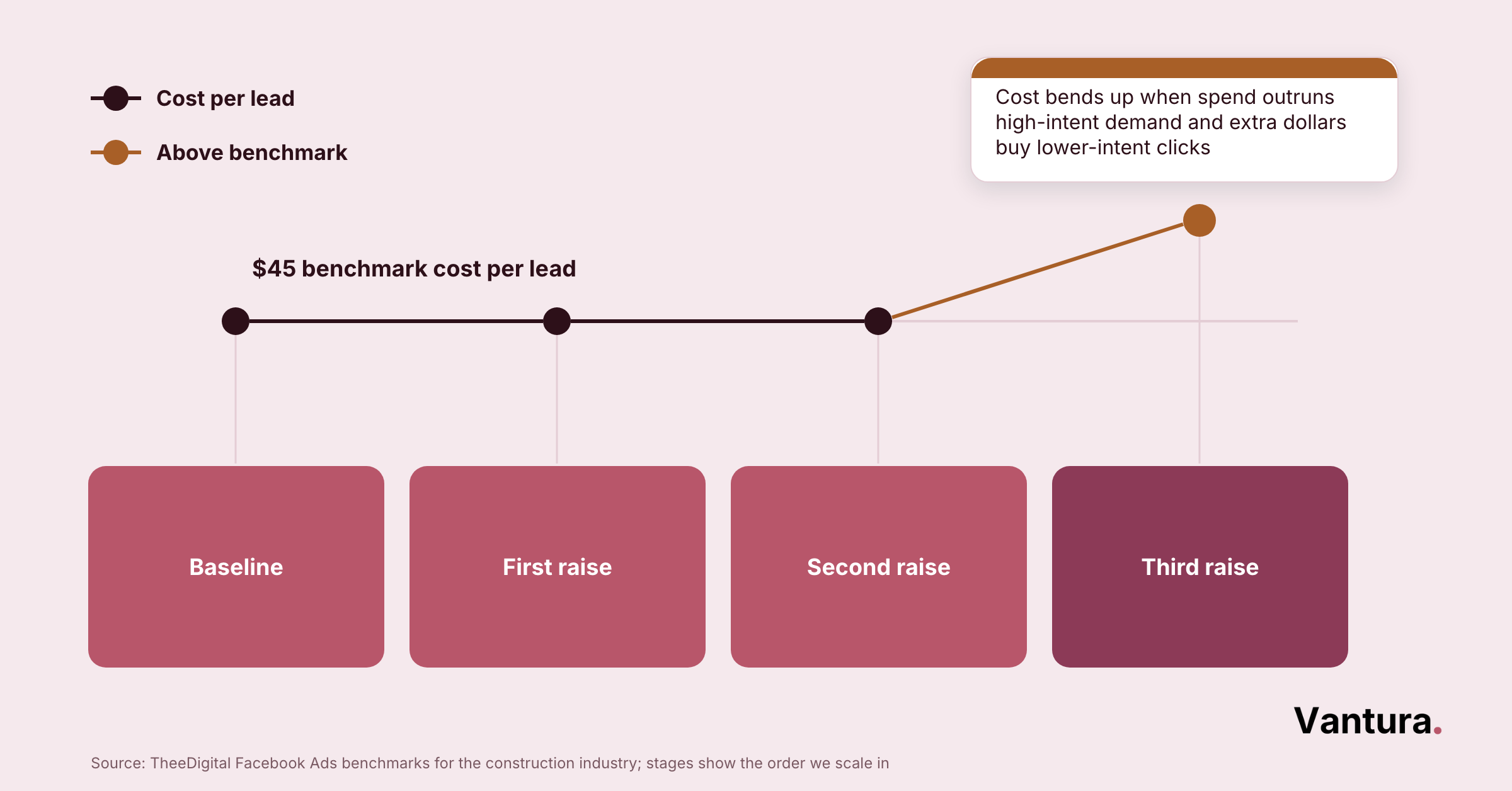
Scale a winning construction campaign by widening what already converts, not by chasing new ideas. Add budget, then expand audiences and locations in small steps you can measure.
Growth breaks things quietly. A campaign that hums at one budget can slip as you push spend, so watch cost per lead as you climb.
- Raise budget in steady increments
- Clone winners into new service areas
- Make sure crews can handle the volume
- Keep a test pool running as you grow
Scaling also means protecting quality. There’s no point doubling leads if half of them sit unanswered or if you can’t staff the work they bring in.
Bottom line: The best construction campaigns aren’t the flashiest. They pick one goal, reply fast, measure what matters, and scale slowly enough to keep the quality high.
Disclaimer: This post is for general information only and is not professional marketing, legal, or financial advice. Results vary by market, budget, and execution, and past client outcomes do not guarantee future performance.