Construction Lead Generation: Tactics That Work (2026)

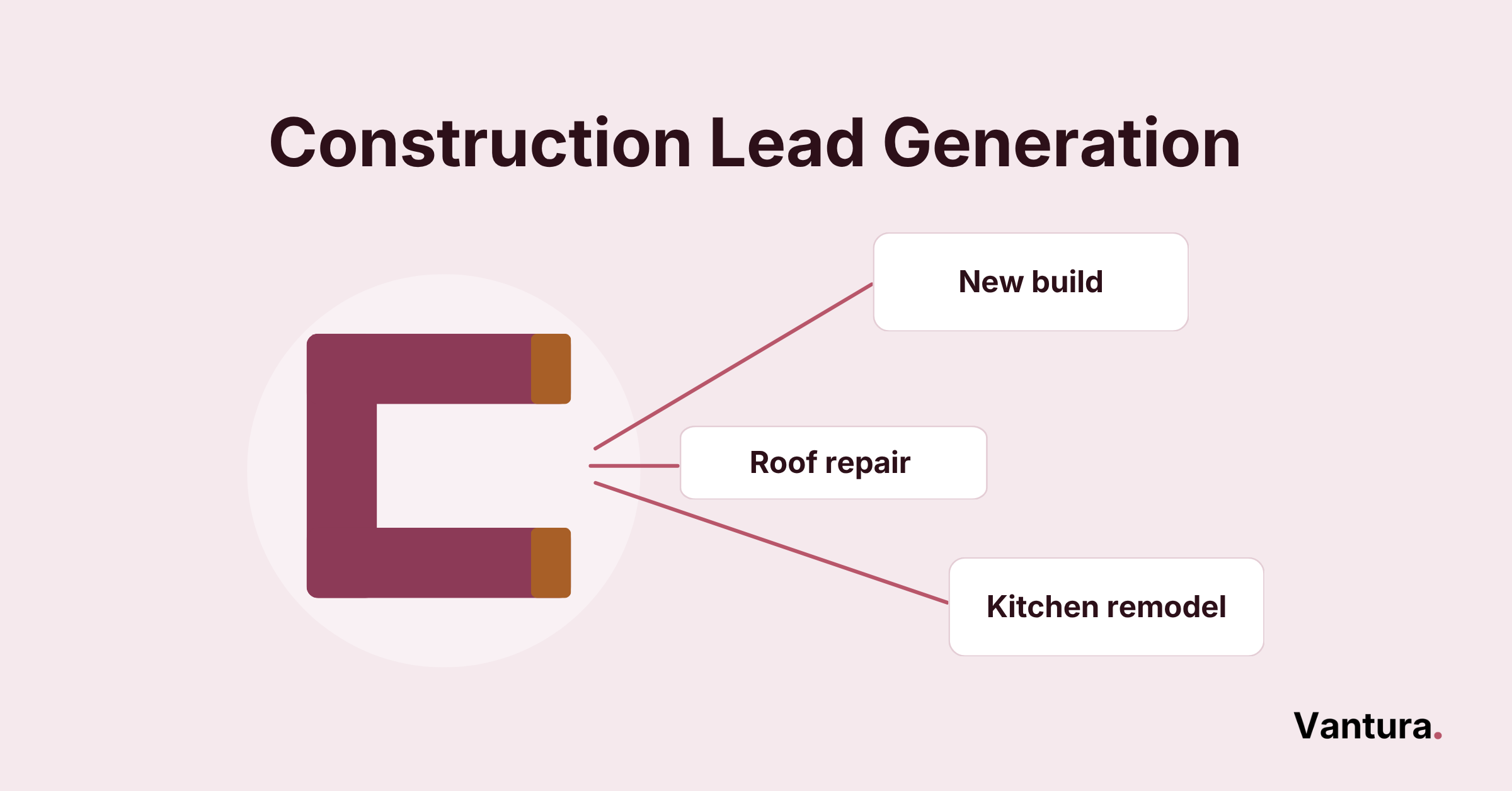
Construction lead generation is the work of turning searches, ads, and referrals into booked jobs for contractors and builders. It leans on local search, quick responses, and a few paid channels that match how property owners and project managers actually shop. The tactics that last are simple and repeatable, and you can measure every one of them.
Why Trust Us With Your Pipeline
We’re a team of 28 specialists with more than 190 combined years in marketing, and we’ve delivered over 180 campaigns across 14 industries. Clients see roughly a 4.2x lift in qualified leads within 90 days.
Need More Construction Leads?
If your schedule has gaps, we can shape a construction marketing strategy that keeps the calendar full. Get in touch and we’ll map the quickest path to more booked work.
What Is Construction Lead Generation?
Construction lead generation is the process of attracting property owners, developers, and general contractors. It then captures their contact details so your team can quote real work.
It blends online marketing with fast, human follow-up.
Think of it as two jobs. First you earn attention from people who need building, remodeling, or repair work.
Then you turn that attention into a name, a number, and a project scope.
The shift online is real. Most property owners now start their search on a screen, not the phone book.
Hook Agency reports that 84% of homeowners use Google before choosing a contractor, and 70% of those inquiries come from a mobile screen. A firm with a thin online presence is invisible to most buyers before the phone even rings.
How Construction Lead Generation Works Online
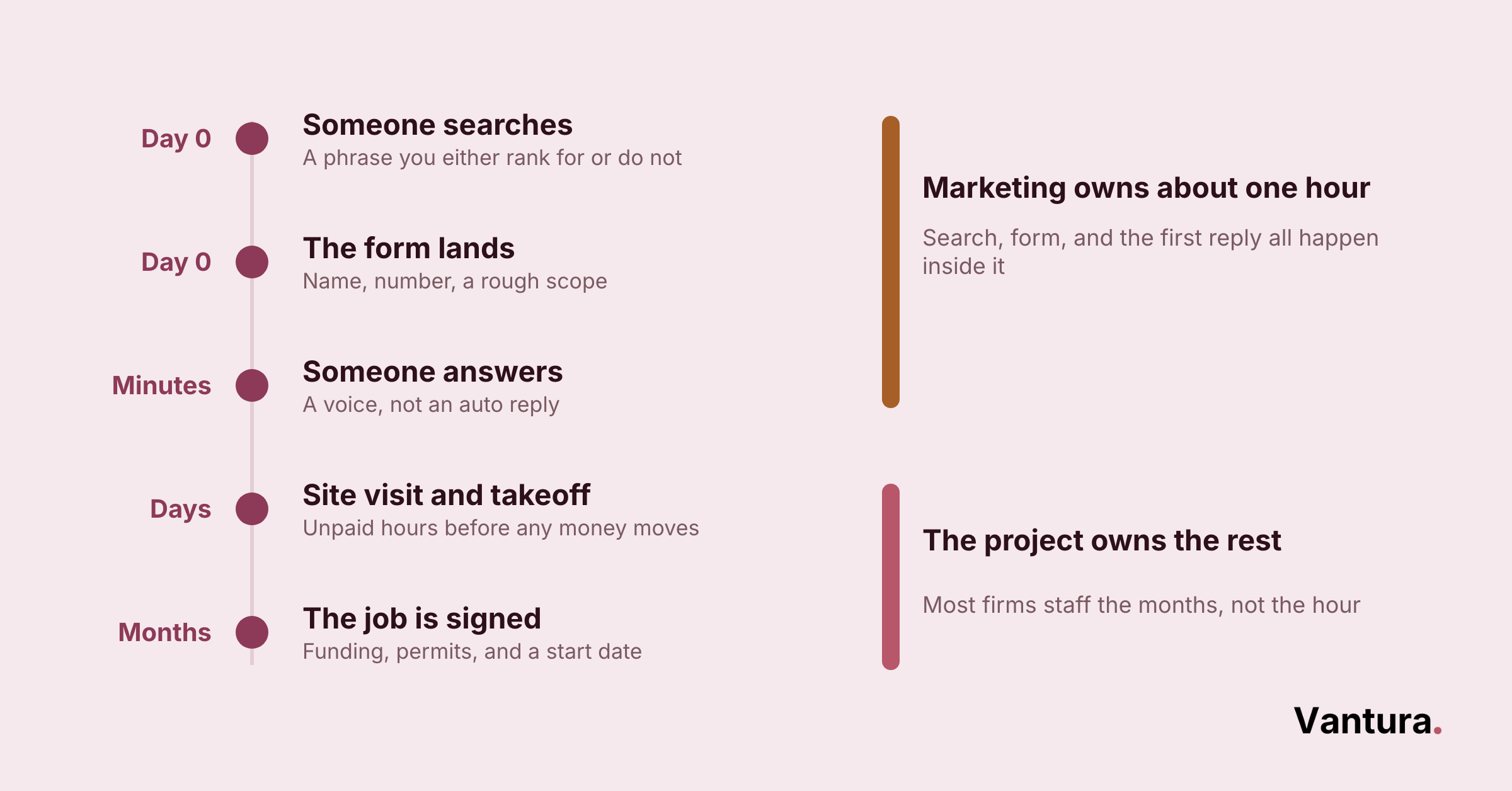
Online, a lead usually starts with a search like “commercial roofer near me” or “kitchen remodel quote.” Your site, map listing, or ad shows up, the person clicks, and a form or phone call does the rest.
Most construction buying is local and high-value. The winners tend to be firms with a sharp B2B construction marketing setup and a habit of answering fast.
A typical construction lead flow has four moves.
- Get found in search and maps.
- Pull the click to a fast page.
- Capture the name and project details.
- Reply before the lead cools off.
Worth knowing: Speed decides more construction deals than most owners expect. The first firm to respond often sets the price anchor and books the site visit, while rivals are still checking voicemail.
What Channels and Tactics Bring Construction Companies the Most Leads?
The channels that bring construction companies the most leads are local SEO, Google Search ads, referral and review sites, and targeted social. Each one catches buyers at a different point, from early research to ready-to-hire.
No single channel carries a whole pipeline. The strongest results come from a few that feed each other, which is why an integrated marketing setup tends to beat one-off tactics.
| Channel | Best for | What to watch |
|---|---|---|
| Local SEO | Early “near me” searches | Needs a steady flow of reviews |
| Google Search ads | Ready-to-hire, urgent jobs | Watch cost per click closely |
| Referrals and reviews | Trust-driven trades | Slow to scale on demand |
| Paid social | Remodels and design work | Weaker for urgent repair |
| Past clients and open bids | Dead without a clean list |
Inbound vs Outbound Construction Lead Generation
Inbound pulls leads in through search, content, and referrals, while outbound pushes your offer out through cold outreach, direct mail, and paid prospecting. Most construction firms need both, weighted toward inbound.
In our work with contractors, inbound wins on cost per lead over time.
Outbound still fills gaps fast when a crew suddenly frees up. We usually start outbound, then shift budget to inbound as rankings build.
For heavy commercial and civil work, outbound still does a lot of the lifting, which is where focused industrial marketing earns its keep.
- SEO and local map listings.
- Helpful content and project galleries.
- Reviews and word-of-mouth referrals.
- Retargeting past site visitors.
- Cold email to developers and GCs.
- LinkedIn outreach to project managers.
- Direct mail to permit lists.
- Paid prospecting to lookalike audiences.
How Do You Capture Construction Leads That Convert?
You capture construction leads that convert with short forms, fast-loading pages, and an offer worth a name and number. The goal is to make quoting feel easy, not to interrogate a busy project owner.
Construction Lead Capture Forms and Landing Pages
Keep forms to the few fields your estimators truly need, usually name, phone, project type, and rough timeline. Every extra field costs you completed forms.
Match each page to the ad or search that sent the visitor, so a “metal roofing” click lands on a metal roofing page. Contractors serving smaller markets especially benefit from tight, local pages, which sit at the heart of small business marketing.
Construction Lead Magnets That Convert
A lead magnet trades something useful for contact details. In construction, the best ones remove risk or guesswork before a big spend.
- Free on-site estimate or quote.
- Project cost calculator or ballpark guide.
- Material and finish comparison sheet.
- Permit and timeline checklist.
Field note: Across our contractor campaigns, a plain “get a fast quote” offer usually beats a downloadable guide. Owners want a number and a date far more than another PDF to read.
Scoring, Qualifying, and Nurturing Construction Leads
Scoring, qualifying, and nurturing turn a pile of raw inquiries into a short list your crews can serve. The point is to spend estimator time on the jobs most likely to close.
Construction Lead Scoring Models
A simple score ranks each lead on fit and intent, so hot ones jump the queue. You don’t need software to start, just a shared rule your team trusts.
| Lead signal | Weight | Why it matters |
|---|---|---|
| Project budget stated | High | Filters out tire-kickers |
| Service-area match | High | Protects crew drive time |
| Start within 90 days | Medium | Signals real intent |
| Repeat or referred | Medium | Tends to close faster |
| Quote only, no details | Low | Often just price shopping |
Qualifying Construction Leads From Inquiry to Sales-Ready
Qualifying moves a marketing lead to a sales-ready one once it clears budget, location, and timing. A quick call or a few form questions usually settles it.
We tag a lead sales-ready when an owner names a real budget and a start window. Anything softer than that stays in nurture.
Construction Lead Nurturing Sequence
Nurturing keeps warm leads close until the project is funded and approved. Most construction deals need several touches across weeks or months.
Step #1: Fast first reply
Answer within minutes with a real person and a clear next step. This single habit lifts booked site visits more than any clever email.
In our experience running follow-up for contractor clients, most building and remodeling firms still let an after-hours inquiry sit until the next business morning, while only a handful call or text back the same night. That gap leaves an easy opening for a crew willing to move faster.
Step #2: Helpful follow-up
Send proof the owner cares about, like nearby projects, warranty terms, and financing options. Keep it short and specific to their job.
Step #3: Gentle re-touch
Check back on a set rhythm until they book or clearly opt out. Many jobs close on the third or fourth nudge, not the first.
If your office can’t keep that rhythm during busy season, a marketing outsourcing partner can run the sequence for you.
How Do SEO and Email Drive Construction Lead Generation?
SEO and email drive construction lead generation by catching new buyers in search and keeping past ones close. SEO brings the strangers, and email works the people who already know you.
SEO-Driven Construction Lead Generation
Most construction searches are local, so ranking in the map pack and organic results puts you in front of ready buyers. Reviews, service pages, and location pages do the heavy lifting.
SEO pays back slowly, then compounds. In our experience, contractor sites start seeing steady organic leads around month four to six.
The cost per lead keeps falling after that. If you’re unsure where to start, a short round of marketing consulting can point you at the pages worth building first.
Email Marketing for Construction Lead Generation
Email is cheap and quietly effective for construction, especially for past clients and stalled bids. A short monthly note keeps you top of mind for the next project.
- Win-back notes to past clients.
- Bid follow-ups that never got a yes.
- Seasonal maintenance reminders.
- Referral asks after a finished job.
Keep in mind: A construction email list ages fast as crews and contacts change. Clean it a few times a year, or your open rates and deliverability will slide before you notice.
Which Paid Channels Work for Construction Lead Generation?
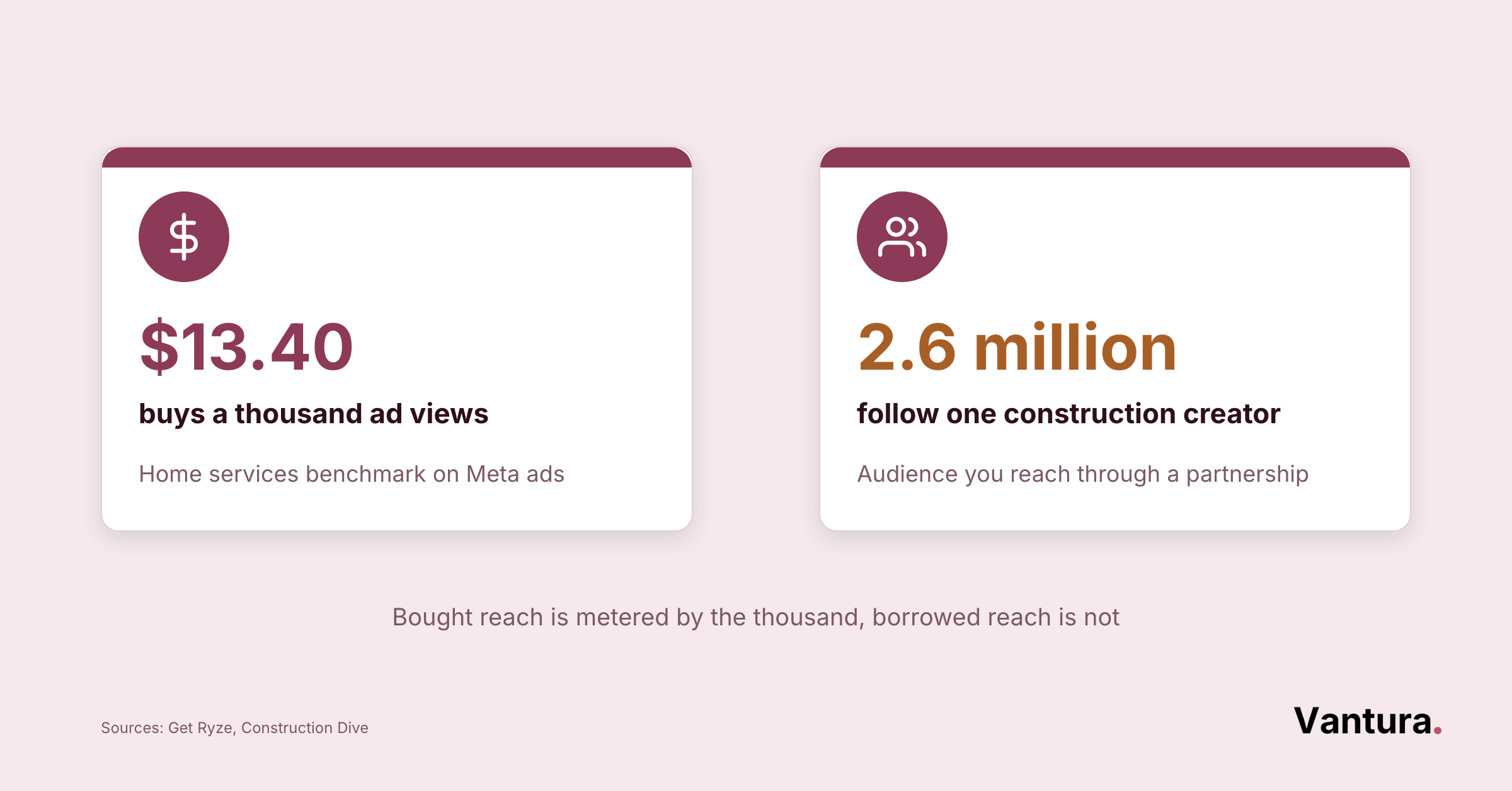
The paid channels that work for construction lead generation are Google Search ads, local service ads, and visual social. Search ads suit urgent jobs, while visual social suits remodels and design work.
Paid buys speed that SEO can’t match on day one.
Construction PPC Lead Generation Campaigns
Search ads put you above the map for high-intent terms like “emergency roof repair.” You pay per click, so tight keywords and negative lists protect the budget.
For top-of-funnel reach, native placements can warm up owners who aren’t searching yet, which is where native ad campaigns fit a construction plan.
Construction Social Media Lead Generation
Social works best for the visual side of construction, like kitchens, additions, and finished exteriors. Before-and-after posts do more than any slogan.
Remodel and design leads respond well to image-led platforms, and Pinterest campaigns can be a strong fit for home projects.
Can Events and Referrals Still Generate Construction Leads?
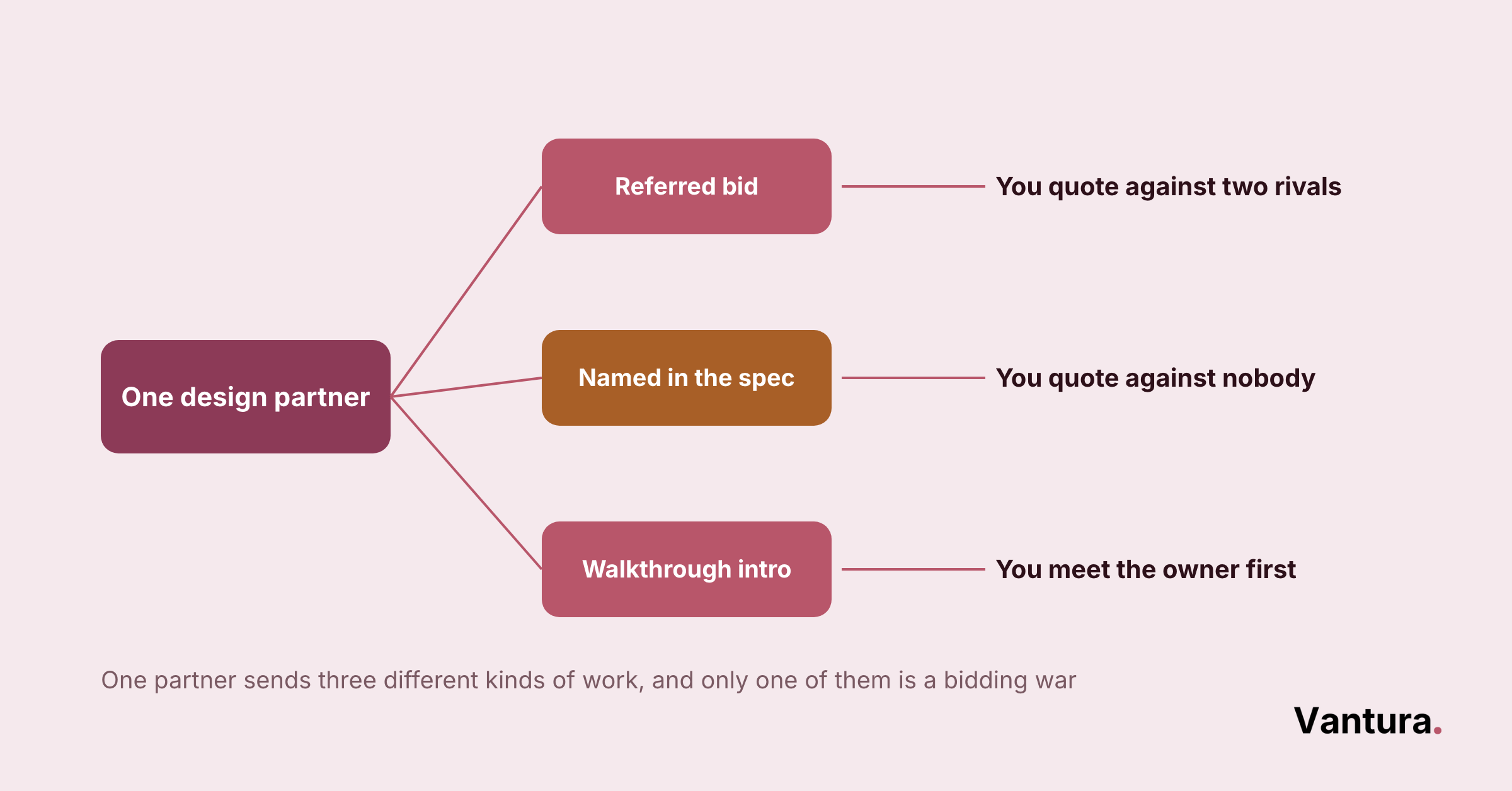
Yes, events and referrals still generate some of the best construction leads, because trust drives big-ticket building decisions. A warm intro or a live demo often outperforms a cold ad.
Webinars, Trade Shows, and Local Events
Trade shows, supplier days, and short webinars put you face to face with developers and property managers. You collect real contacts and answer objections on the spot.
Referral-Based Construction Lead Generation
Referrals from past clients, subcontractors, and design partners bring pre-sold leads. A simple thank-you and a small reminder keep them flowing.
Partnerships with adjacent trades and property firms multiply this, so links with real estate marketing partners can send steady work your way.
Construction Cost Per Lead and Conversion Benchmarks
Cost per lead and conversion rates tell you whether a channel earns its budget. In our experience, both swing widely by trade, job size, and market.
| Metric | In our experience | How to read it |
|---|---|---|
| Cost per lead | $50 to $75 | Commercial and specialty run higher |
| Landing page conversion | 6% to 9% | Fast pages and clear offers lift it |
| Lead to booked estimate | 24% to 34% | Speed of reply drives this |
| Estimate to signed job | 30% to 45% | Price and trust decide it |
Watch these numbers together, not alone. A cheap lead that never books is worse than a pricier one that turns into a signed contract.
Bottom line: Chase booked jobs, not cheap clicks. A channel with a higher cost per lead often wins once you count which leads turn into signed construction work.
What Tools and CRM Setup Support Construction Lead Generation?
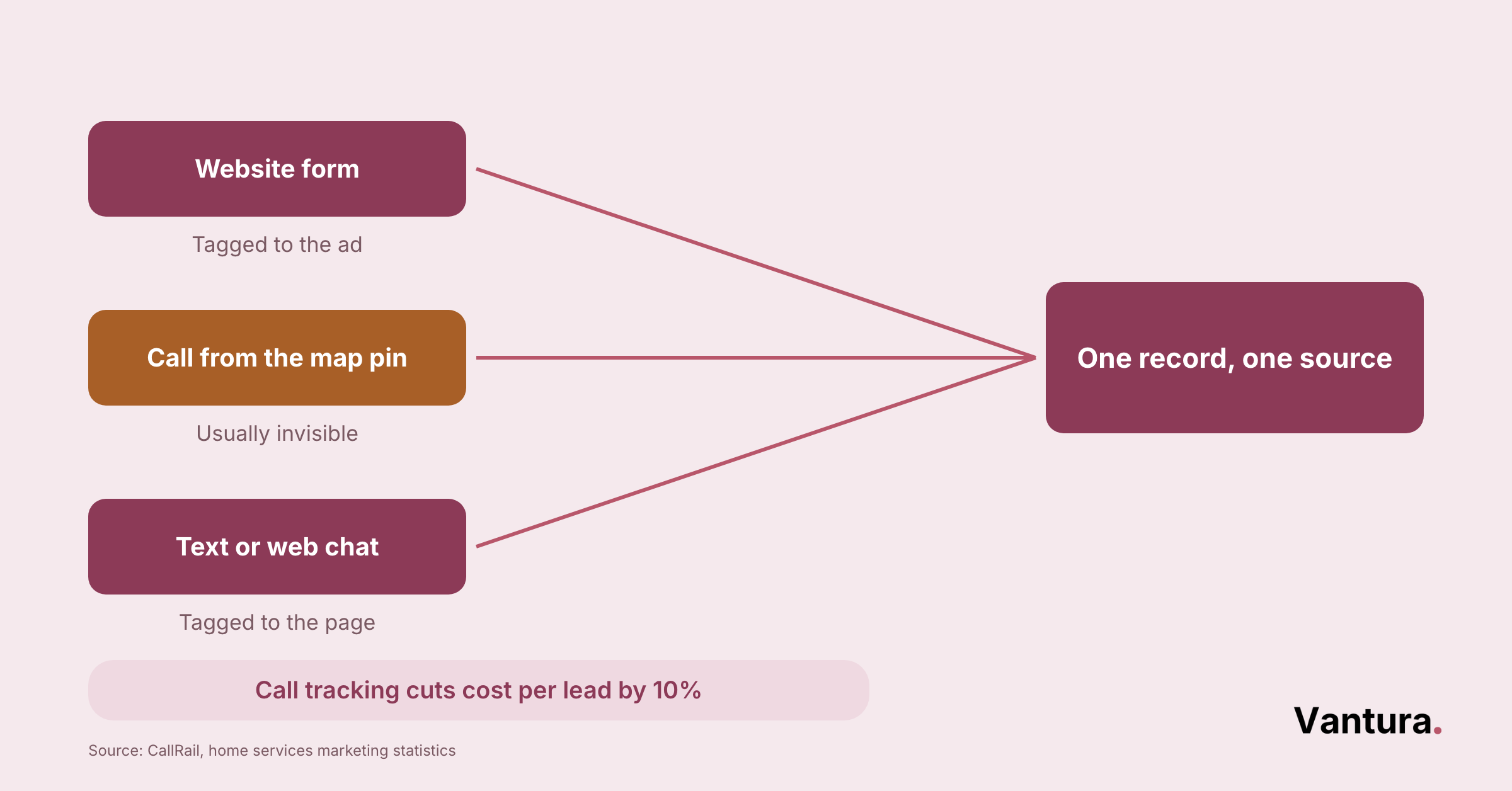
A basic construction lead stack is a CRM, a fast website, call tracking, and a way to route leads to estimators in minutes. The tools matter less than the follow-up they enable.
A CRM keeps every inquiry, quote, and job in one place, so nothing slips during busy season. Connect your forms and phones to it, and reps see new leads the moment they land.
Larger builders with several crews and locations usually need tighter systems, which is common in enterprise marketing setups.
- CRM for leads and jobs.
- Call tracking by campaign.
- Form and chat capture.
- Dashboards for cost per lead.
How Do You Improve Construction Lead Quality?
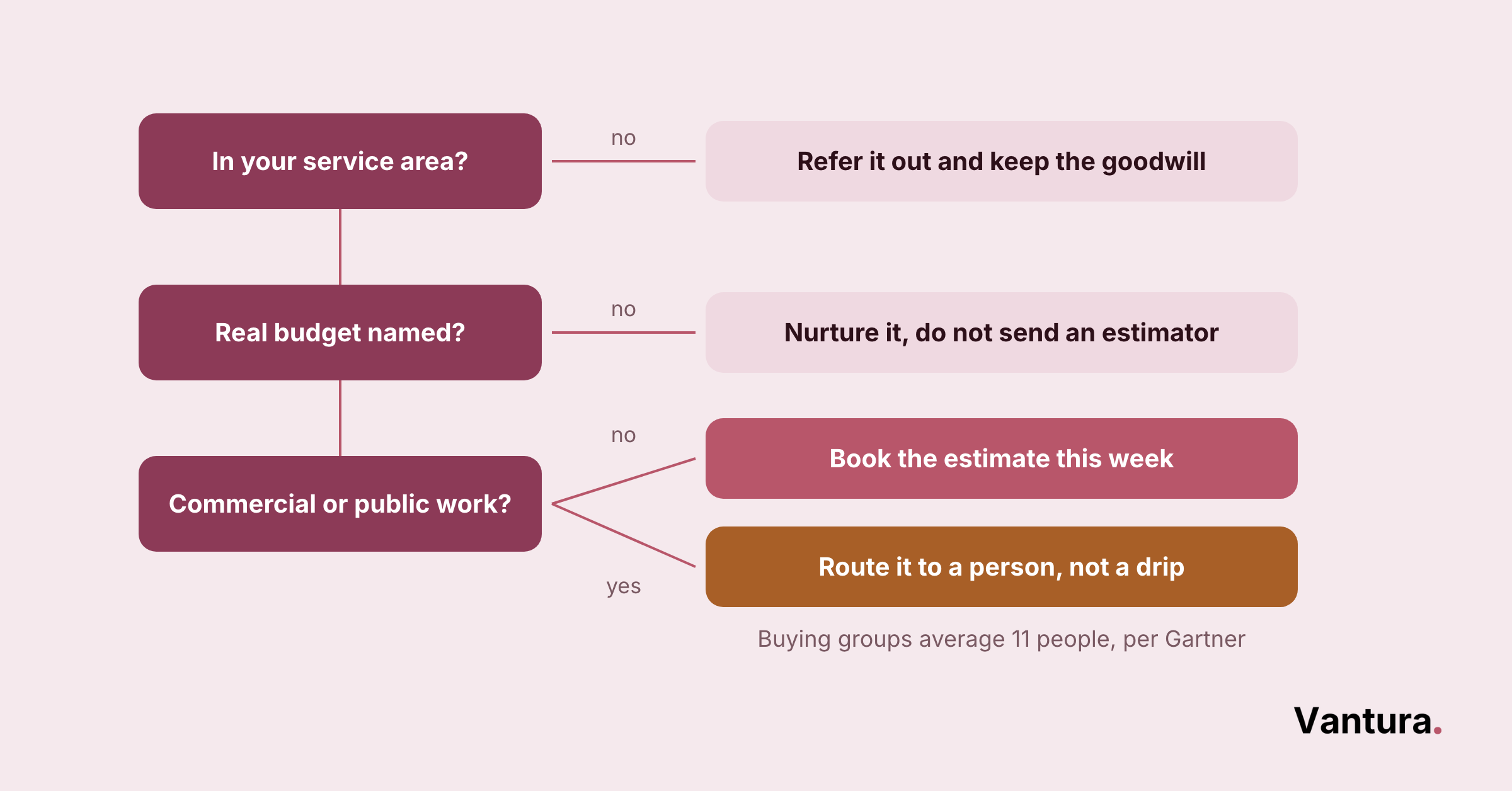
You improve construction lead quality by tightening targeting, sharpening your offer, and filtering early with a few smart questions. Better inputs beat a bigger pile of junk inquiries.
Two Ways to Judge a Lead
It helps to weigh volume and quality as a pair, since chasing one alone hurts the other. Aim for enough leads your crews can serve, at a quality your estimators respect.
- Broad keywords and wide targeting.
- Lower cost per lead.
- More noise to filter out.
- Tight service-area targeting.
- Clear budget and project fields.
- Fewer, better-fit inquiries.
When quality slips and you can’t tell why, a marketing audit usually finds the leak in targeting, pages, or tracking.
Common Construction Lead Generation Mistakes to Avoid
The most common construction lead generation mistakes are slow follow-up, weak local SEO, and leaning on a single channel. Each one quietly caps how many jobs you book.
Here are six worth checking against your own process.
Specialty trades feel these mistakes hardest, since one strong season can’t cover a year of thin lead flow. Roofers and similar crews, for example, hold work steady with roofing marketing built for their season.
Quick tip: Fix follow-up speed before you spend a dollar more on ads. Faster replies lift booked jobs from the exact same leads you’re already paying for.
Disclaimer: This article is for general information only and does not constitute marketing, legal, or financial advice. Results vary by market, trade, and budget, and Vantura Marketing makes no guarantee of specific outcomes. Verify any figures against your own data before acting.