Construction PPC Marketing: Strategy & Best Practices

Construction PPC marketing is paid advertising where construction firms bid on search and social ads and pay only when someone clicks. It puts your company in front of property owners and general contractors at the exact moment they’re looking to hire. Done well, it turns ad spend into booked estimates and a steady flow of qualified leads.
Why builders trust our PPC guidance:
Our team has run more than 180 campaigns and tuned over 500 landing pages, so paid clicks turn into booked jobs, not wasted taps. We’ve run 750-plus A/B tests to learn what converts a contractor’s traffic. Most clients see qualified leads climb roughly 4.2x within 90 days.
Need help choosing your PPC channels:
Paid search, local ads, and paid social each pull different weight for construction firms. We map the mix to your service area, your margins, and the jobs you actually want. Get in touch about integrated digital marketing and we’ll shape a plan that fits.
What Is Construction PPC Marketing, and How Does It Work?
Construction PPC marketing runs on an auction. You set a budget, choose the searches you want to show up for, and pay each time a click lands on your site.
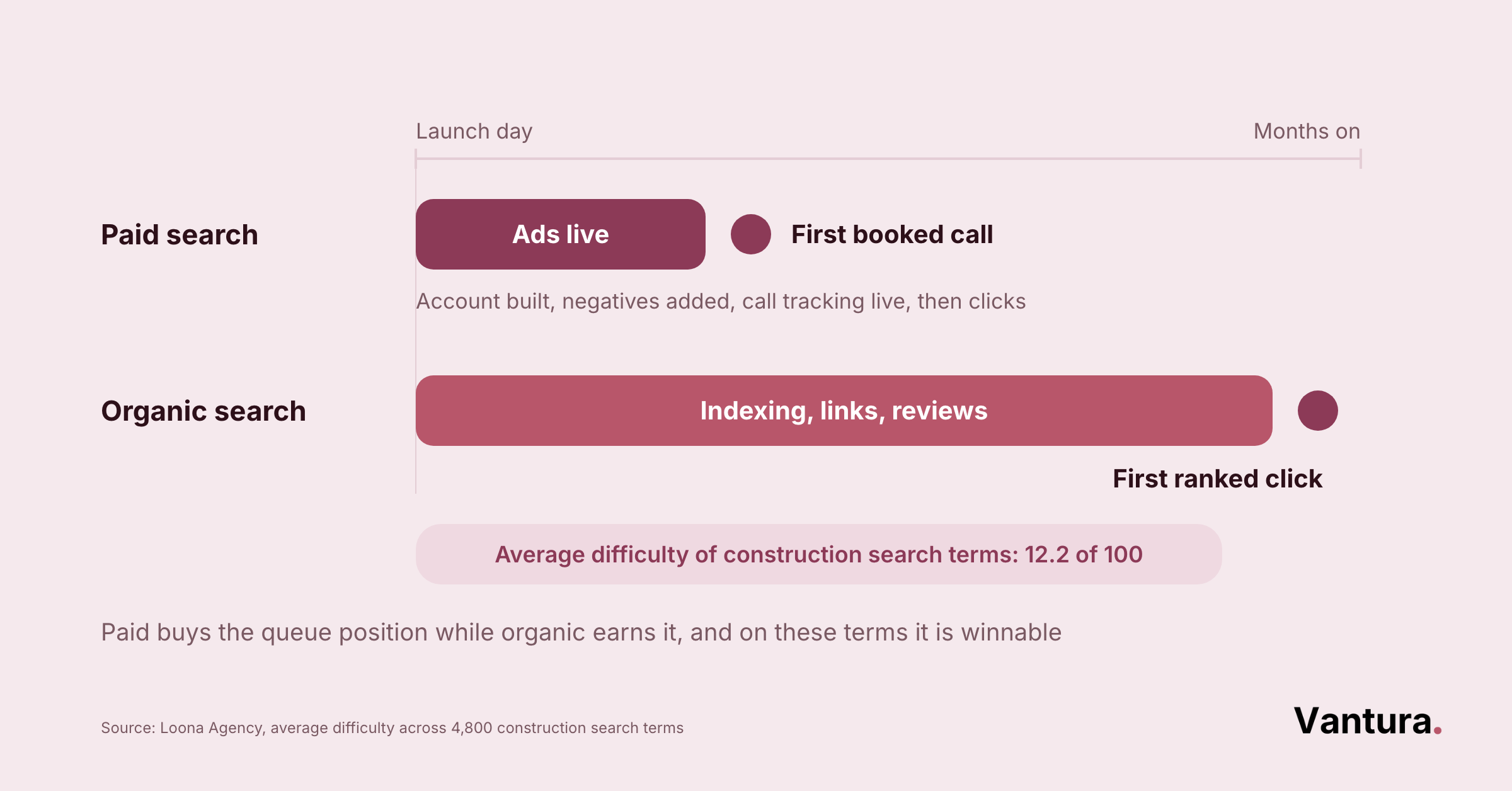
The big draw is speed. A new web page can take months to rank, while a paid campaign folds into a wider digital marketing strategy and can bring calls the same week you launch.
Demand is there too, especially over the phone, since so many construction jobs still start with a call rather than a form. Invoca’s cross-industry conversion research found that 37 percent of inbound phone leads convert during the call itself, which is exactly why a PPC campaign without call tracking leaves real bookings uncounted.
How the Click Auction Charges You
You don’t pay your top bid every time. The ad network charges just enough to beat the next advertiser, so your real cost per click usually sits below the ceiling you set.
That gap matters for construction terms, which can get pricey. In our experience, clicks on high-intent searches like emergency roofing run about $9 to $13, while broader terms stay cheaper.
In plain terms: PPC rents you the top of the page. The moment you pause spend, the traffic stops, so treat it as a tap you control, not a foundation you pour once.
Which Construction PPC Campaign Types Should You Run?
Construction firms rarely need every ad type. The right mix depends on whether you chase same-day jobs, bigger project bids, or slow-burn brand recognition.
Search and Local Services Ads carry most lead-focused accounts, and they pair well with broader industrial digital marketing when your buyers are other businesses.
| Campaign type | Best for | Where it runs |
|---|---|---|
| Search ads | High-intent job searches | Google and Bing results |
| Local Services Ads | Verified lead calls | Top of Google, pay per lead |
| Display and native | Staying visible after a visit | Websites, apps, news feeds |
| Video ads | Showing finished projects | YouTube and connected TV |
| Paid social | Reaching homeowners early | Facebook, Instagram, and more |
Local Services Ads deserve a special mention for trades. You pay per lead rather than per click, and Google shows a badge that many homeowners trust on sight.
How Do You Run Construction PPC Keyword Research?
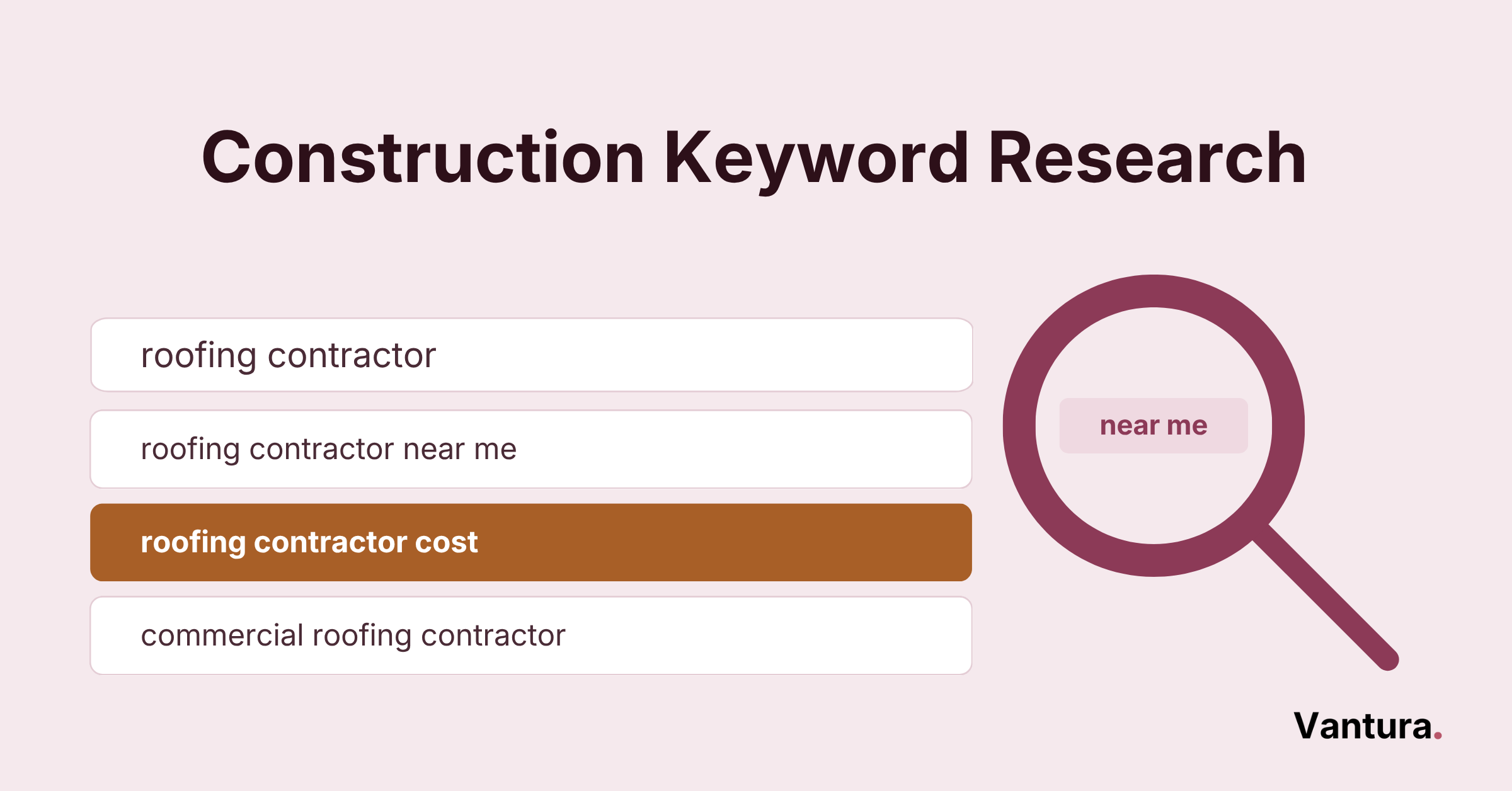
Good keyword research starts with the words a customer types when a pipe bursts or a roof leaks. Those buyer-ready terms deserve the most budget.
The other half of the job is match types, which control how loosely Google reads your keywords. Loose settings reach more people but invite plenty of junk clicks.
| Match type | Example query | How much control |
|---|---|---|
| Exact | roof replacement quote | Tightest, fewest wasted clicks |
| Phrase | roof replacement near me | Medium, some variation allowed |
| Broad | roof replacement | Widest reach, most wasted spend |
We usually start tighter and open up slowly. It’s easier to add reach later than to claw back money lost to searches that were never going to hire you.
Worth knowing: search terms and keywords aren’t the same thing. Keywords are what you bid on, while search terms are what people typed, so check the search-terms report weekly and cut the misfits.
What Makes Construction PPC Ad Copy and Landing Pages Convert?
An ad and its landing page work as a pair. The ad earns the click, and the page has to earn the call.
Ad Copy That Matches the Job
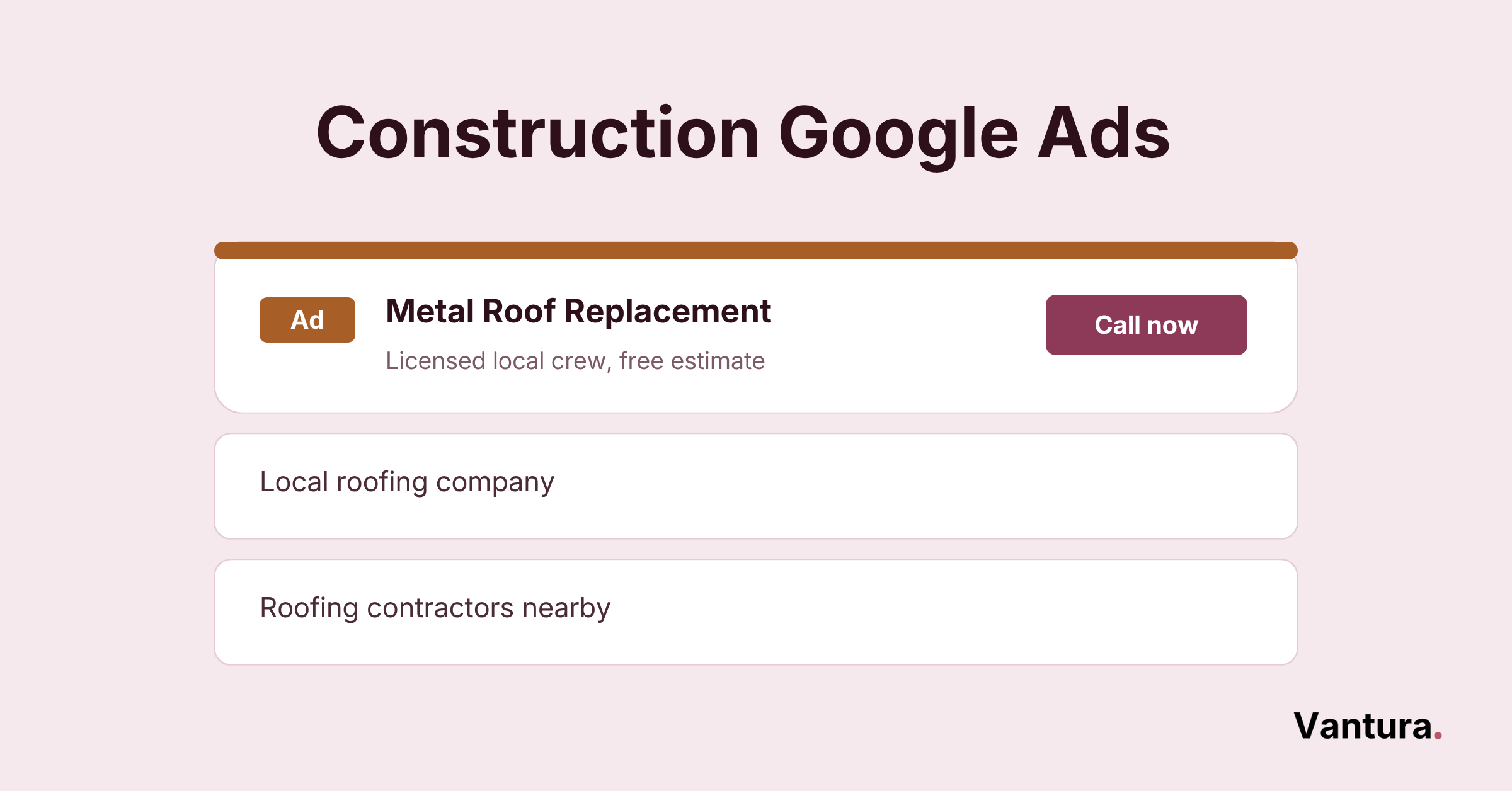
Speak to the exact worry a customer has. Words like licensed, insured, free estimate, and same-week service do more than clever taglines ever will.
Use every headline slot and add assets like call buttons and location links. More real estate on the page means a bigger, more clickable ad.
Landing Pages and Quality Score
Send clicks to a page about that one service, never your homepage. A roofing ad should land on a roofing page with a form near the top.
Google rewards that focus through Quality Score, which can lower your cost per click. Small builders often win here, so tight pages matter as much for small business marketing as for large firms.
How Should You Set Construction PPC Bids and Budgets?
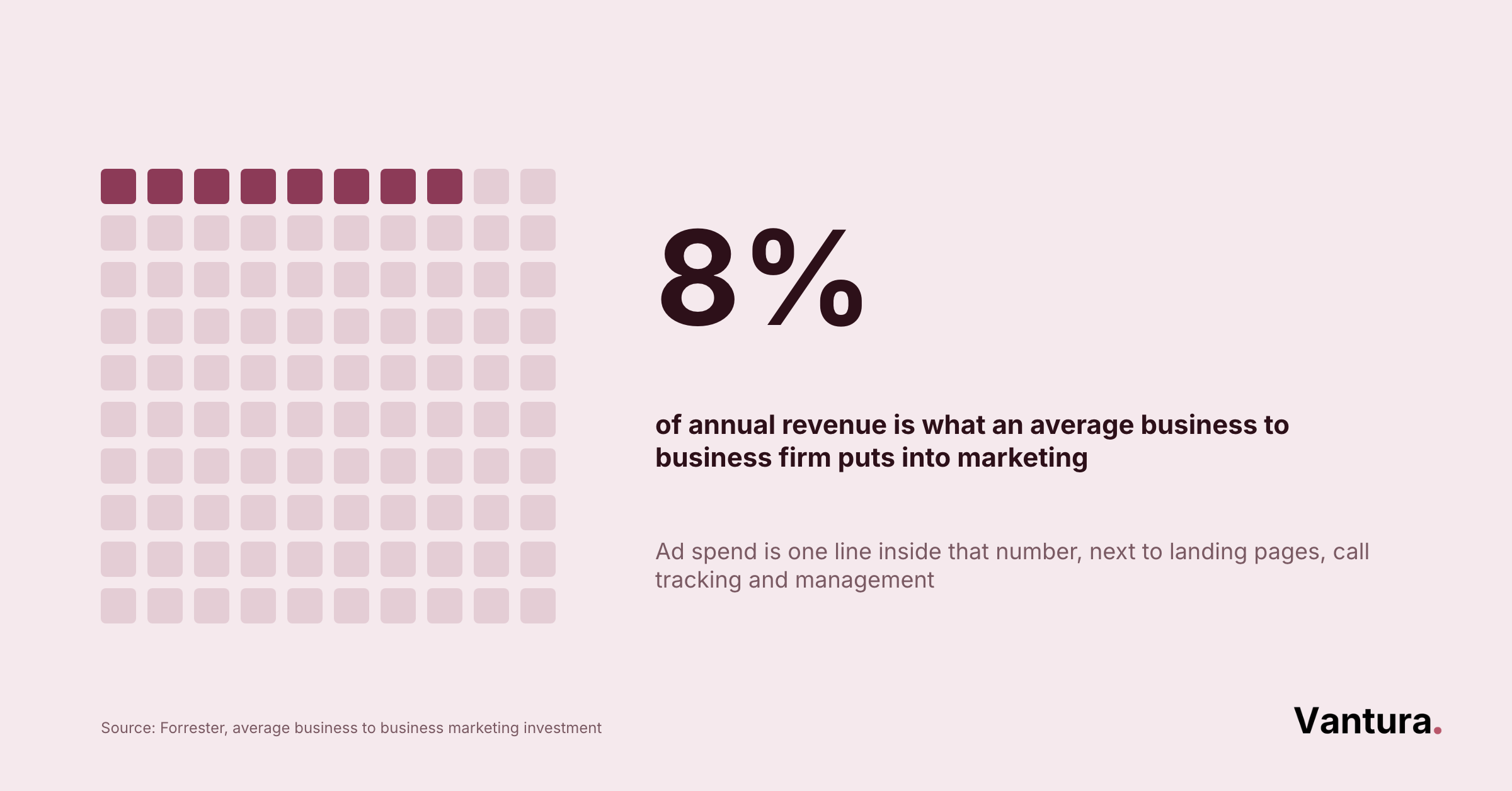
Budget follows job value. A single kitchen remodel or roof pays for a lot of clicks, so a higher cost per lead can still be a bargain.
Start with manual or maximize-clicks bidding while data is thin, then move to smart bidding once conversions add up. If in-house time is short, some firms outsource campaign management to keep bids tuned.
Structuring the Account
A clean structure makes every later decision easier. Keep themes tight so your ads and pages always match the search.
Step #1: Split Campaigns by Service Line
Give roofing, remodeling, and repair their own campaigns. That way you can shift budget toward whatever is booking best this month.
Step #2: Group Tight Keyword Themes
Keep a handful of close keywords per ad group. Tight themes let you write ads that echo the search word for word.
Step #3: Add Negative Keywords Early
Block terms like jobs, salary, and DIY from day one. Strong negative keywords are the fastest way to stop paying for clicks that never convert.
Construction Display, Geofencing, and Location-Based PPC
Search ads catch people who already want a contractor. Display, native, and location ads help you reach the ones who don’t know your name yet.
| Format | Where it shows | Best construction use |
|---|---|---|
| Responsive display | Across the Google network | Retargeting past visitors |
| Native ads | Inside articles and feeds | Warming up cold homeowners |
| Geofenced mobile | Phones within a set radius | Targeting a new development |
Native placements blend into the pages people already read, which is why native advertising campaigns tend to feel less pushy than a plain banner.
Geofencing draws a ring around a neighborhood, a competitor’s yard, or a home show, then serves ads to phones inside it. This works well for image-led work too, putting your finished projects in front of homeowners planning a remodel.
Field note: display clicks are cheap but rarely ready to buy. Judge these ads on view-through visits and later branded searches, not on the handful of direct calls they produce.
How Does Construction PPC Retargeting Work?
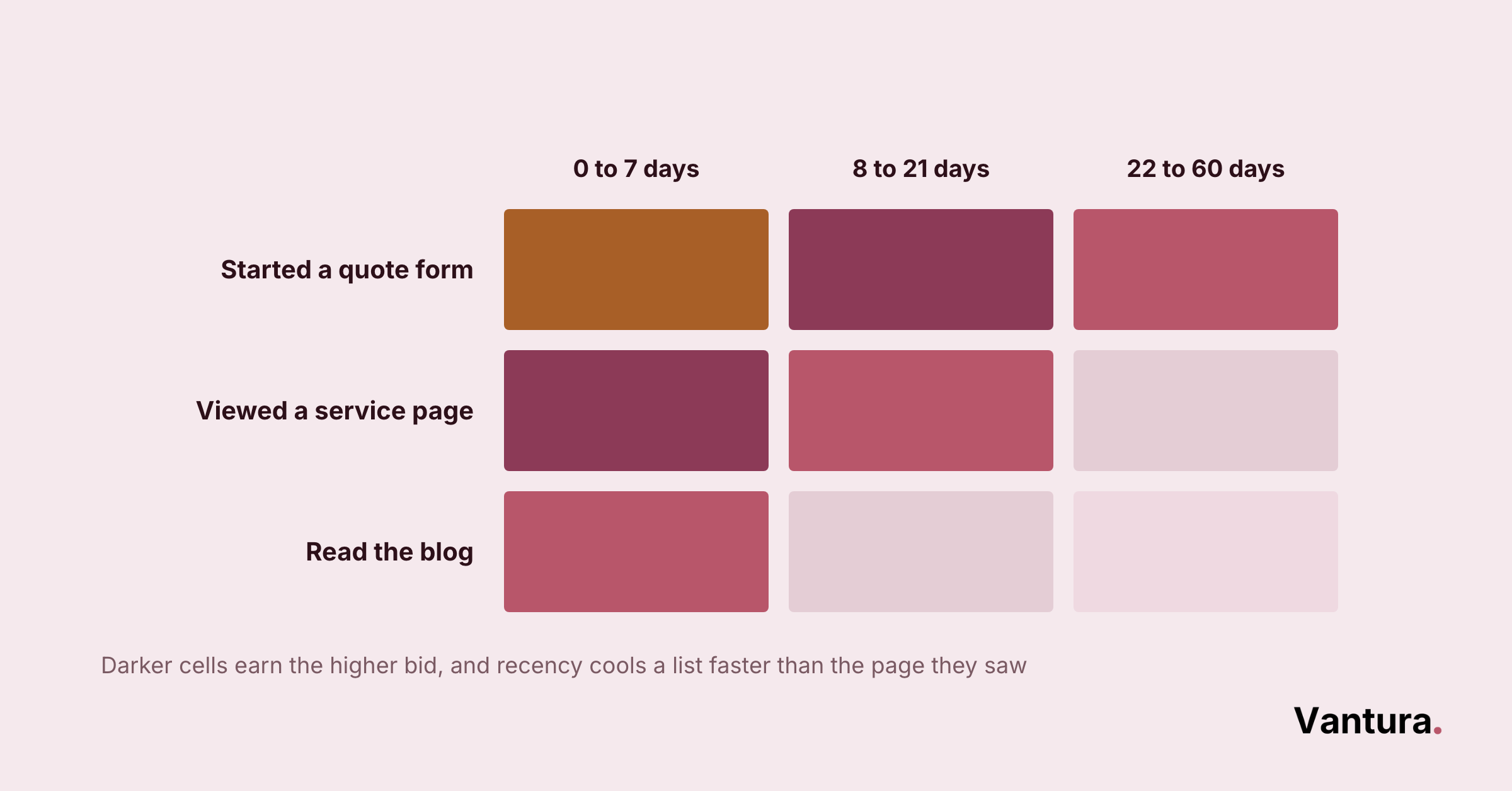
Most people who visit a contractor site leave without calling. Retargeting follows those visitors with reminder ads until they’re ready to move.
Segmenting Retargeting Audiences
Not every visitor is worth the same reminder. Someone who viewed your quote form is far warmer than someone who bounced off the blog.
Split your lists by page and by recency, then spend more on the warm groups. Community-driven channels like niche community targeting can add reach when your audience gathers in specific forums.
Dynamic Retargeting for Service Lines
Dynamic ads show the exact service a person looked at. A visitor who priced deck building sees deck ads, not a generic company banner.
Retargeting Privacy and Cookie Compliance
Third-party cookies are fading, so lean on your own visitor data and consent-based tracking. Set frequency caps as well, since the same ad ten times a day annoys more than it sells.
Keep in mind: honor opt-outs and post a clear privacy notice. Trust is fragile in home services, and a creepy retargeting experience can cost you the job you were chasing.
Construction PPC for Lead Generation vs Brand Awareness
Every campaign leans toward one of two goals. Some chase leads today, and some build a name for the jobs that come later.
Construction work is often business to business, so B2B construction marketing usually needs a longer nurturing runway than a quick homeowner repair does.
Bottom-funnel campaigns chase people ready to hire right now.
- Search ads on quote and near-me terms
- Local Services Ads for verified calls
- Tight budgets with clear phone and form goals
Top-funnel campaigns build your name before the need hits.
- Display and video showing finished work
- Paid social to reach homeowners early
- Softer goals like reach and repeat visits
You don’t have to pick just one. Paid social ads keep you visible while a homeowner weighs quotes, which shortens the path back to your lead campaigns.
How Do You Track and Measure Construction PPC Performance?
If you can’t tie a click to a booked job, you’re guessing. Solid conversion tracking is the difference between real numbers and hopeful ones.
The Metrics That Matter
Track calls, form fills, and offline sales, not just clicks. Across our construction accounts, cost per lead usually lands around $80 to $120, though pricey trades run higher.
| Metric | What it tells you | Rough healthy read |
|---|---|---|
| CPC | Price of one click | Varies by trade and area |
| CTR | Share of viewers who click | Around 4 to 6 percent on search |
| Conversion rate | Clicks that become leads | Often 6 to 9 percent |
| ROAS | Revenue per ad dollar | Above 3 to 1 is a solid start |
Watch return on ad spend against real job value, not just lead counts. A regular digital marketing audit catches wasted spend before it piles up.
PPC Management Tools Worth Knowing
- Google Ads Editor for bulk changes
- Call tracking to tie phone calls back to keywords
- A CRM to follow leads through to closed jobs
- Heatmap tools to fix weak landing pages
Rule of thumb: count a lead only when it can turn into revenue. A form fill from outside your service area looks great in a report and does nothing for your calendar.
Construction PPC vs Organic SEO: When to Use Each
PPC and SEO aren’t rivals. They cover different timelines, and most construction firms end up wanting both.
| Factor | PPC | SEO |
|---|---|---|
| Speed | Leads within days | Months to build |
| Cost pattern | Pay per click, ongoing | Upfront work, cheaper later |
| Best for | Fast quotes and new areas | Long-term authority |
Lean on PPC to fill the calendar now and open new territories fast. If you’re unsure how to split the budget, some marketing consulting help can size the plan to your goals.
Over time, organic rankings lower your reliance on paid clicks. The smart play is to run both, then shift the balance as your search visibility grows.
What Are the Most Common Construction PPC Mistakes That Waste Budget?
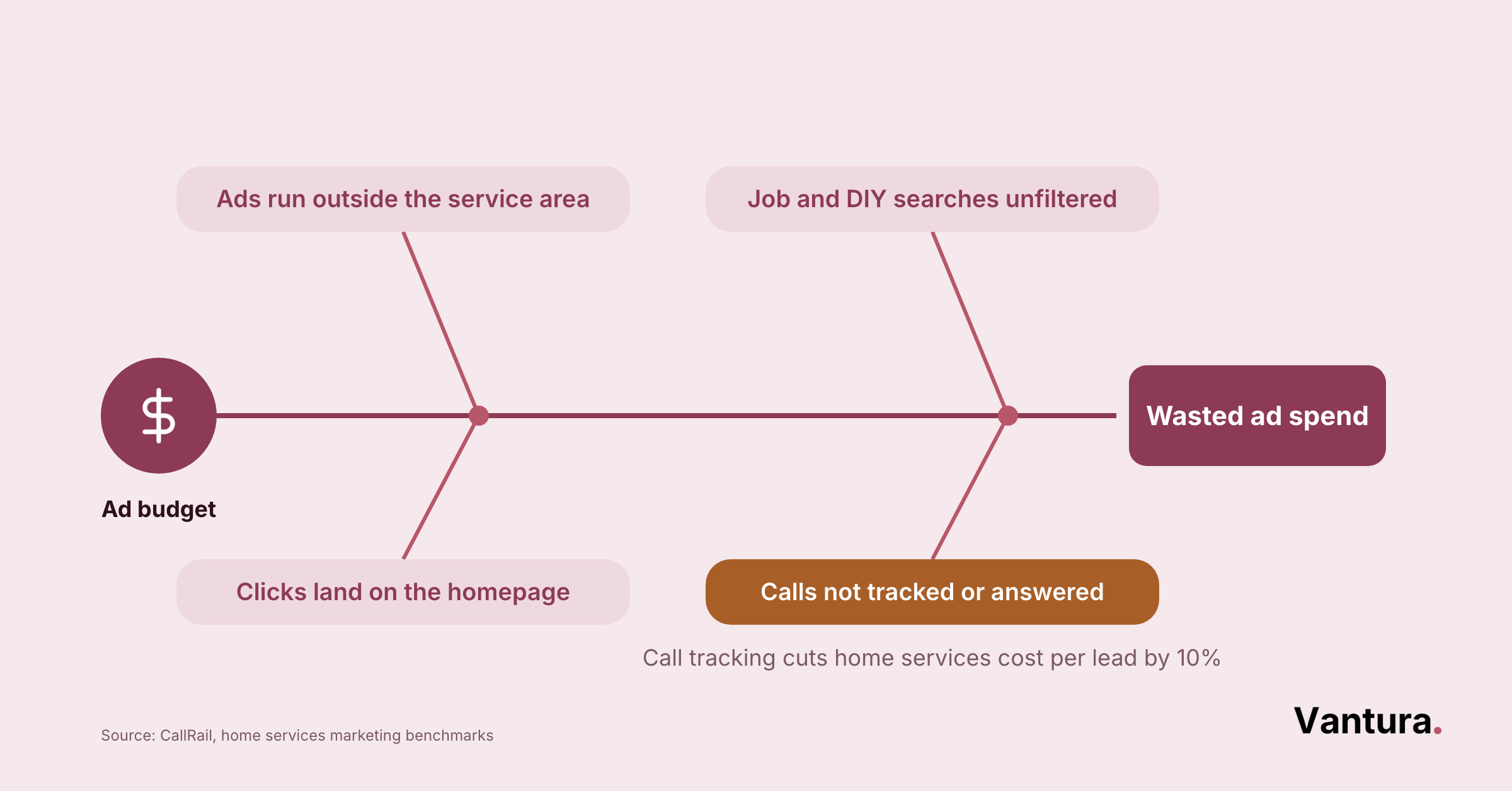
Most wasted PPC money comes from a few repeat mistakes. The good news is that each one is easy to fix once you spot it.
- Sending every ad to the homepage instead of a matched page
- Running broad match with no negative keywords
- Skipping call and form tracking, so nothing ties back to jobs
- Letting ads run outside your real service area
- Judging success on clicks rather than booked work
Fix these before you touch bids or creative. Clean wasted spend out of the account first, and the same budget suddenly books more jobs.
Bottom line: construction PPC rewards patience and tight tracking. Start small, watch which keywords turn into signed contracts, and pour budget into the winners while you cut the rest.
Disclaimer: This article is for general informational purposes only and does not constitute professional marketing, legal, or financial advice. Construction PPC outcomes shift with local market conditions, budget, and how the campaign is run, and Vantura Marketing offers no guarantee of specific results.