Construction LinkedIn Marketing: Tactics That Drive Leads

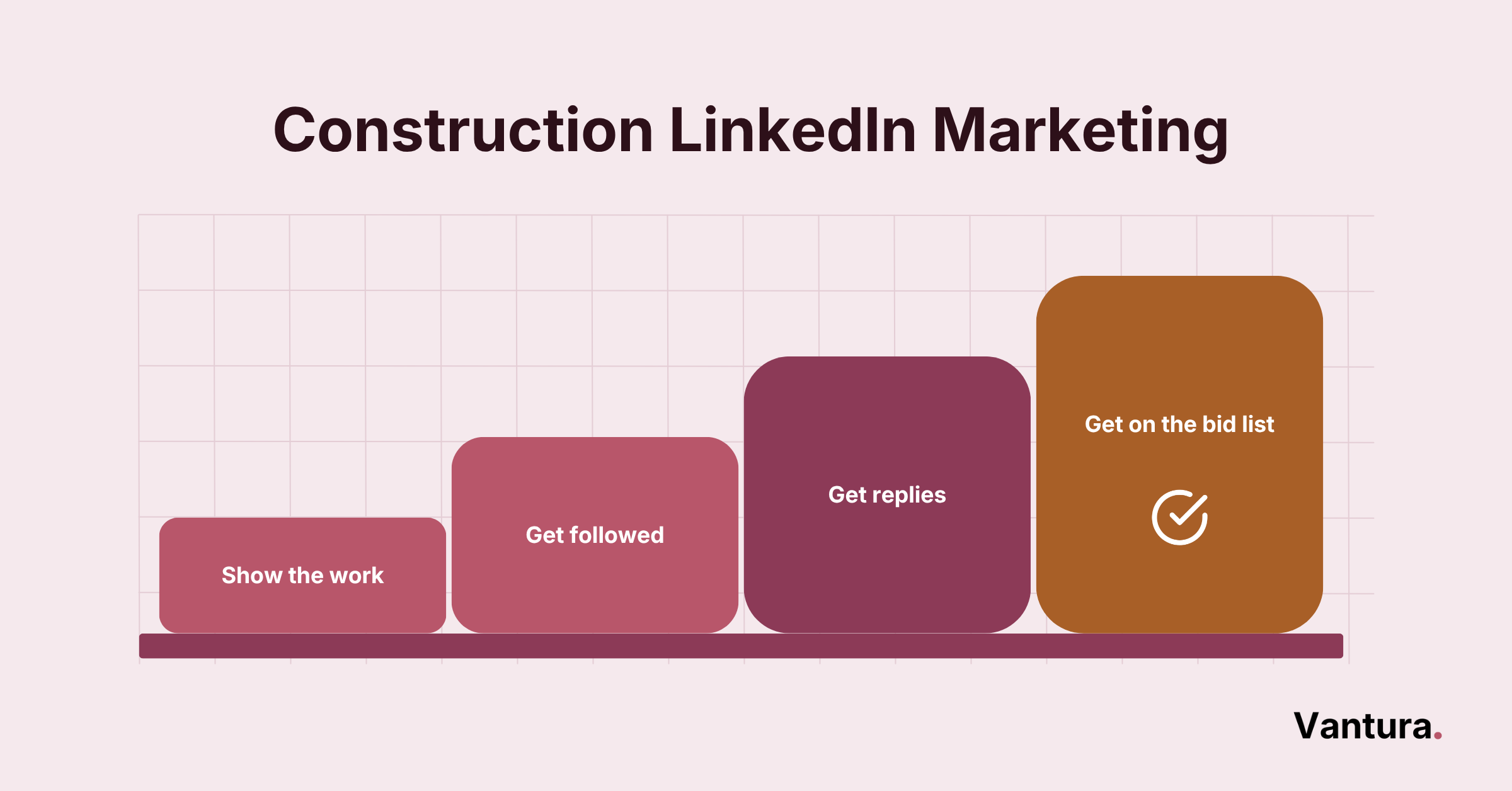
Construction LinkedIn marketing puts your firm in front of the developers and owners who award commercial projects. Most of them size you up on LinkedIn well before they ask for a bid. Show up with useful posts and steady outreach, and a quiet page turns into a real source of qualified construction leads.
Why Trust Our Construction LinkedIn Guidance:
At Vantura Marketing, our 28 specialists bring more than 190 combined years of work across 14 industries, so construction feels like home turf. Across 180 campaigns, our clients average a 4.2x lift in qualified leads within 90 days.
Need Help With Construction LinkedIn Marketing:
If your pipeline runs thin between bids, our b2b digital marketing services can turn LinkedIn into a steady source of leads. Get in touch and we’ll shape the first campaign around your best-fit clients.
What Does Construction LinkedIn Marketing Involve?
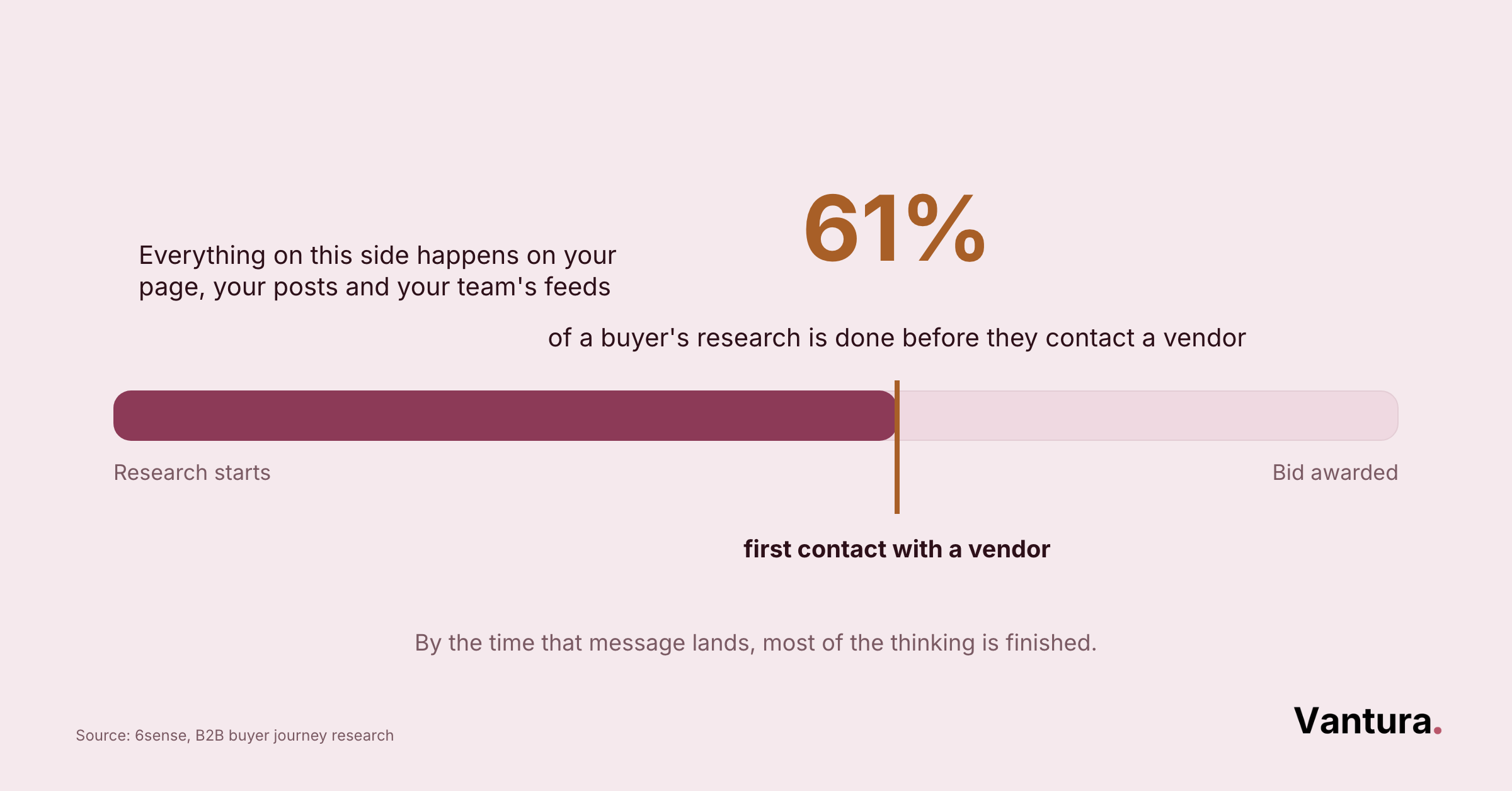
It means building a presence on LinkedIn that helps you get found and win work. You blend a strong page, useful posts, smart ads, and steady outreach into one lead engine.
Most builders already sell to other businesses. The same habits that power industrial digital marketing carry over here, since your buyers are owners, developers, and specifiers.
DesignRush surveyed B2B marketers on which platform feels most like a search engine for finding vendors, and LinkedIn led the pack, well ahead of YouTube, Instagram, and TikTok.
A commercial buyer researching contractors is likely starting that search right there.
Buyers who research online expect to find you there, and an empty page quietly hands that ground to your rivals. Think of it as three jobs that feed each other: you get found, you build trust, and then you start the right talks.
- Get found by the right buyers.
- Build trust with proof of real work.
- Open talks that lead to bids.
Worth knowing: LinkedIn leans heavily toward work and business audiences, exactly where commercial building decisions get made. A focused page there often books more real project talks than broad social feeds do.
How Should Construction Firms Set Up Their LinkedIn Company Page?
Set the page up so a stranger gets what you build in five seconds. That takes a clear tagline, a strong banner, and a short overview aimed at your best clients.
Treat it like a landing page, not a resume. Every line should show you can deliver their kind of project.
- Tagline: name the work and the market you serve.
- Banner: show a finished build, not a stock photo.
- Overview: lead with the client need, then your proof.
- Services: list your real trades and skills.
Getting Found Through LinkedIn Search and Profile SEO
People search LinkedIn much like they search Google. So your words matter, and you want the plain terms buyers type.
Use your trade, your region, and your project types in the tagline and the overview. A quick review, much like a full marketing audit, often shows the gaps that keep you hidden.
Your team’s profiles matter as much as the brand page. When estimators and project managers keep clean profiles, your firm shows up in far more searches.
Construction LinkedIn Content Strategy and Post Types
A good plan mixes proof, teaching, and a bit of personality. You want posts that show the work, explain a choice, and let people meet your crew.
Post on a rhythm you can keep, even if that’s twice a week. Steady beats a burst of ten posts and then a month of silence.
| Post type | What it’s good for | Rough effort |
|---|---|---|
| Project photo story | Proof of quality and scale | Low |
| Short how-we-solved-it | Trust with technical buyers | Medium |
| Team or site-day clip | Warmth and hiring | Medium |
| Opinion on a trend | Reach and authority | Higher |
Thought Leadership That Builders Read
Thought leadership sounds fancy, but it just means sharing what you’ve learned on real sites. Pick one hard problem, show how you handled it, and skip the buzzwords.
These posts work because they show judgment, not just finished walls. A short story about a schedule fix earns more trust than any brochure.
Tie this into a wider digital marketing strategy so your best ideas feed your site and email too. One strong story can fuel a post, a page, and a newsletter.
Newsletters and Long-Form Articles on LinkedIn
A LinkedIn newsletter lets you land in inboxes without buying a list. Send a short, useful note each month and let subscribers grow on their own.
Long articles suit deeper topics, like how you phase a tricky job. Keep them plain and easy to skim so busy owners still get the point.
Promoting Construction Events and Webinars on LinkedIn
Live events give builders a reason to post more than once and put a real date on the calendar. Announce a groundbreaking, a lunch-and-learn, or a short webinar on a code change.
Use LinkedIn’s built-in Events tool so people can register in two taps.
Post a reminder a few days out and again the morning of, then follow up with a short recap and photos afterward. That recap often earns more engagement than the original announcement, since it proves the event actually happened.
How the LinkedIn Algorithm Rewards Construction Content
The feed rewards posts that spark early comments and saves. So write a strong first line and ask a real question your peers care about.
Reply to every comment in the first hour to keep a post alive. Try not to drop an outside link in the post itself, since that often cuts your reach.
Keep in mind: a single photo of a finished job, with one clear line about the client problem you solved, almost always beats a slick graphic. Buyers trust proof over polish.
How Do Construction Firms Generate Leads on LinkedIn?
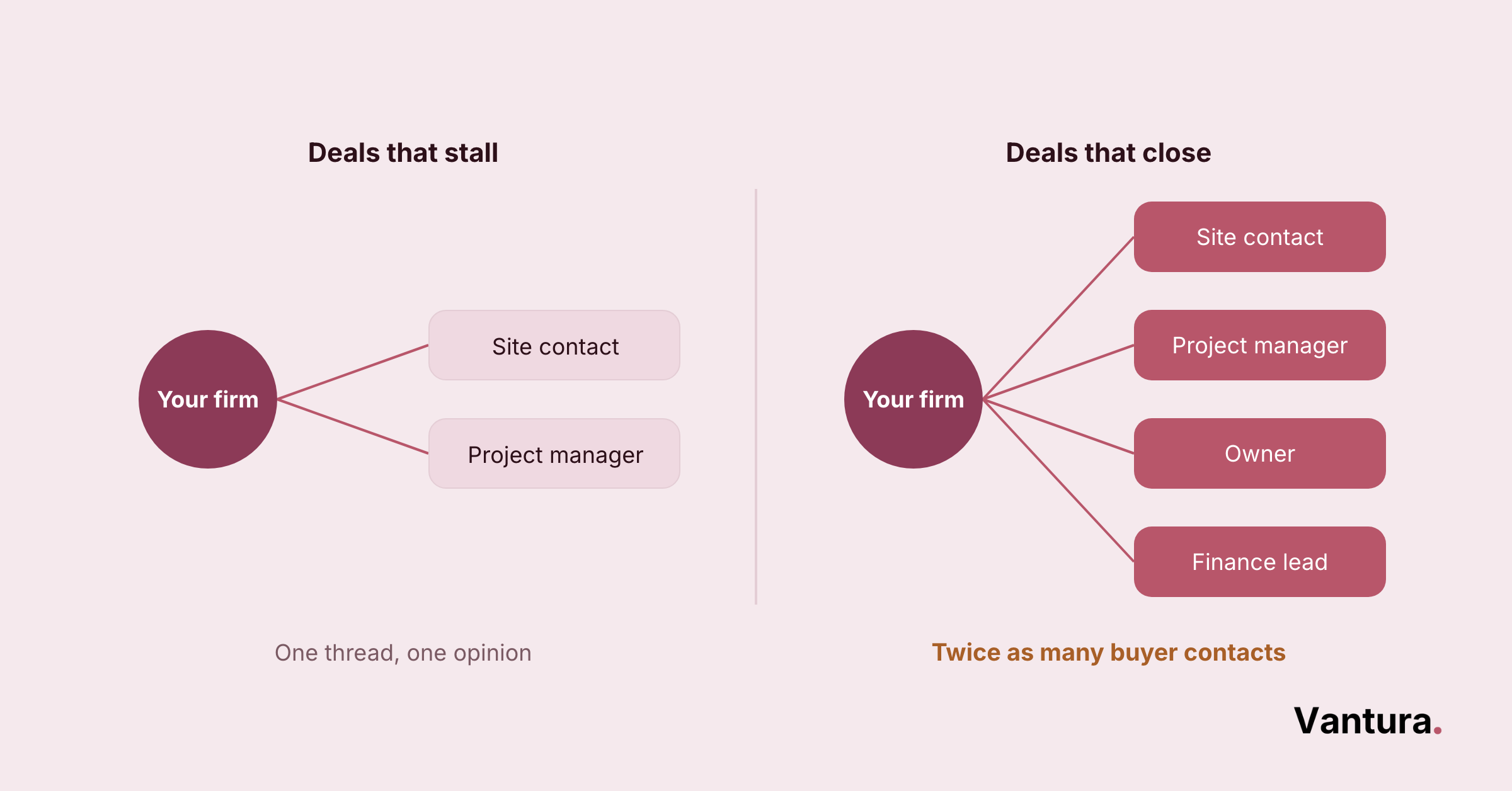
They mix helpful posts with warm, direct outreach. You draw the right people in, then start real talks before you ever pitch.
The goal is a short list of the right buyers, not a huge list of the wrong ones. A few owners who fit your work beat a thousand random follows.
Turning Connections Into a Real B2B Pipeline
Sort your target accounts by the jobs you most want to win. When you focus on developers who match your niche, referrals from real estate marketing partners often follow.
Log each contact in one simple sheet or your sales tool. In our experience, firms that track every touch close 20 to 30 percent more of their warm leads.
A Simple LinkedIn Outreach and InMail Sequence
Outreach works when it feels human and specific. Skip the copy-paste pitch and name something real about their job or firm.
Step #1 Warm Up Before You Connect
Follow the person and comment on a post or two first. A familiar name gets accepted far more often than a cold one.
Step #2 Connect With a Short, Specific Note
Send a one-line note that names a shared project type or area. Keep it under thirty words and never pitch in the first message.
Step #3 Offer Help, Then Ask to Talk
Once they reply, share a quick tip or a relevant job. Only then suggest a short chat, and let them pick the time.
Field note: across our outreach for builders, plain notes that name a real job get replies about twice as often as generic templates. Those talks tend to reach a bid far sooner.
Construction LinkedIn Advertising and Sponsored Content
Paid ads let you reach buyers who don’t follow you yet. They cost more per click than most channels, but the targeting is worth it for big work.
Start small and test one clear offer at a time. Ads work best as one part of an integrated marketing approach, not a lone bet.
Ad Formats and Targeting Options for Builders
You can target by job title, firm size, industry, and area. That means you can reach facility managers or developers right in your service zone.
Keep your ad copy short and lead with the client’s goal. A clear photo of finished work does more than a wall of text.
| Ad format | Best use for builders | What it drives |
|---|---|---|
| Single image ad | Show a project or skill | Awareness and clicks |
| Document ad | Share a capability sheet | Downloads and leads |
| Lead gen form | Collect a bid request | Direct inquiries |
| Message ad | Reach a named account list | Warm replies |
Two kinds of reach work together here. One is free and slow, the other is paid and fast.
Organic reach is free but builds slowly over months. It rewards steady posts, real comments, and pages that stay active.
- Great for trust and hiring.
- Slow to scale, but low cost.
Paid reach is fast but stops when the budget stops. It shines when you need leads for one service or area now.
- Great for targeted lead pushes.
- Costs more, but scales quickly.
How Can Your Team and Groups Boost Construction LinkedIn Reach?
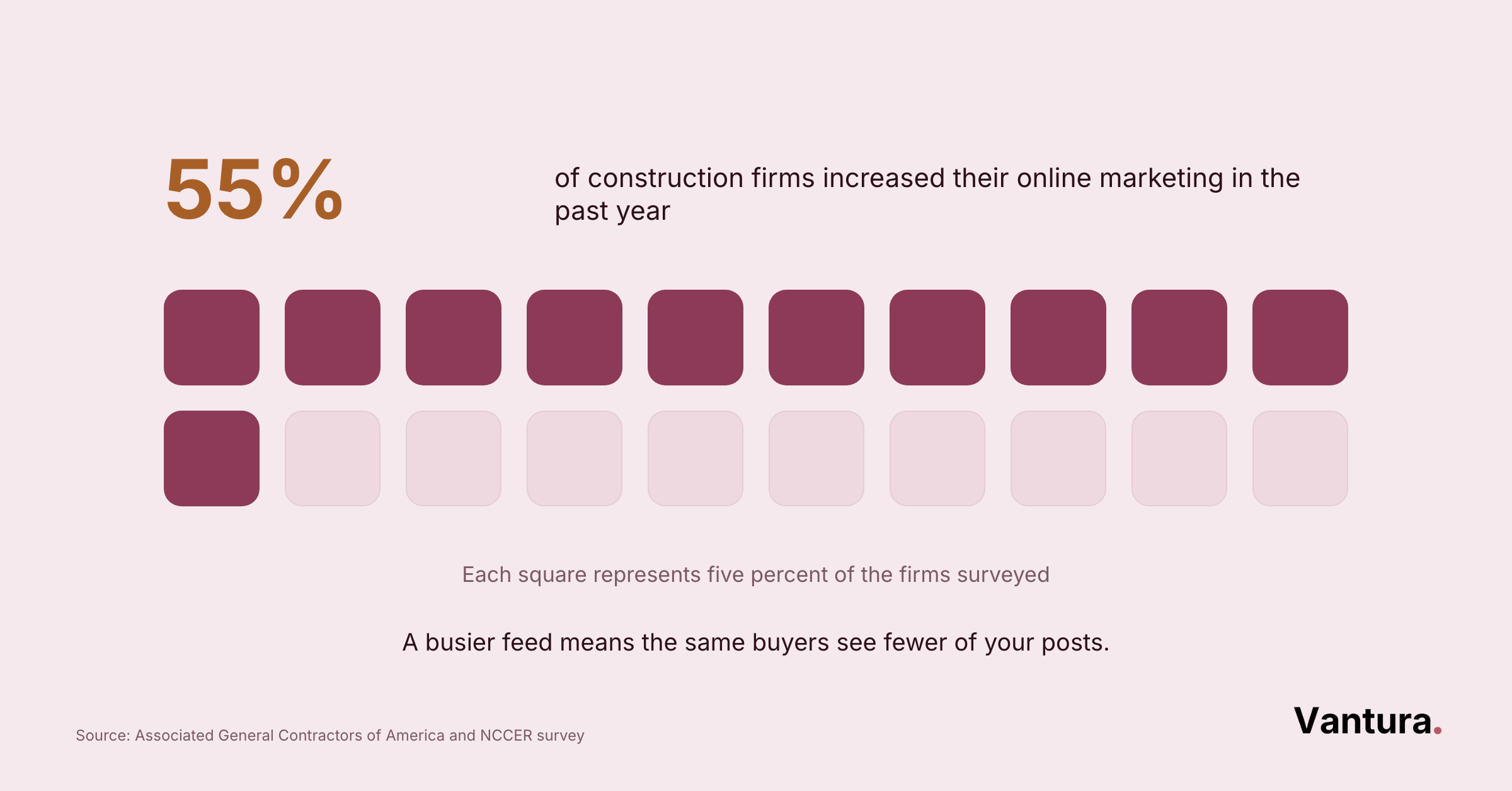
Your team and the right groups can grow your reach for free. When staff share firm posts, the message travels far past your own followers.
Building an Employee Advocacy Habit
Employee advocacy just means your people share and comment on firm posts, and it pays off. Personal LinkedIn profiles see meaningfully higher engagement rates than company pages, according to Metricool.
A post from your project manager often travels further than the same post from your brand page.
Keep it easy and never force it. A short weekly nudge with one ready post beats a strict quota.
Firms serving factories can tap the same manufacturing marketing networks their staff already hold.
Using LinkedIn Groups for Networking
Groups for contractors, developers, and trade bodies hold your exact buyers. Join a few active ones and answer questions without pitching.
Helpful answers mark you as a go-to expert over time. That name quietly feeds referrals and inbound messages.
Quick tip: ten active staff who each share one post a week can reach more real buyers than a paid run. Each share lands inside a familiar network rather than a cold ad slot.
Construction LinkedIn Analytics and Campaign Reporting
Analytics tell you what to do more of and what to drop. Watch a few numbers that tie to real leads, not vanity likes.
Skip the numbers that only flatter you, like raw follower counts. They feel good but rarely tie to a signed job.
Check them on a set day each week so trends stay clear. For larger firms, this rolls up neatly into enterprise marketing support and board reports.
| Metric | What it measures | Why it matters |
|---|---|---|
| Page and profile views | How many buyers looked | Early interest signal |
| Post engagement rate | Comments and saves per view | Shows what lands |
| Connection acceptance | Replies to your outreach | Targeting quality |
| Leads and bid requests | Real inquiries won | The number that pays |
Tie each lead back to the post or ad that started it. That habit shows which content earns bids, and it should feed straight into your broader construction digital marketing strategy, not sit in a report nobody reopens.
What Does Construction LinkedIn Marketing Cost, and What’s the ROI?
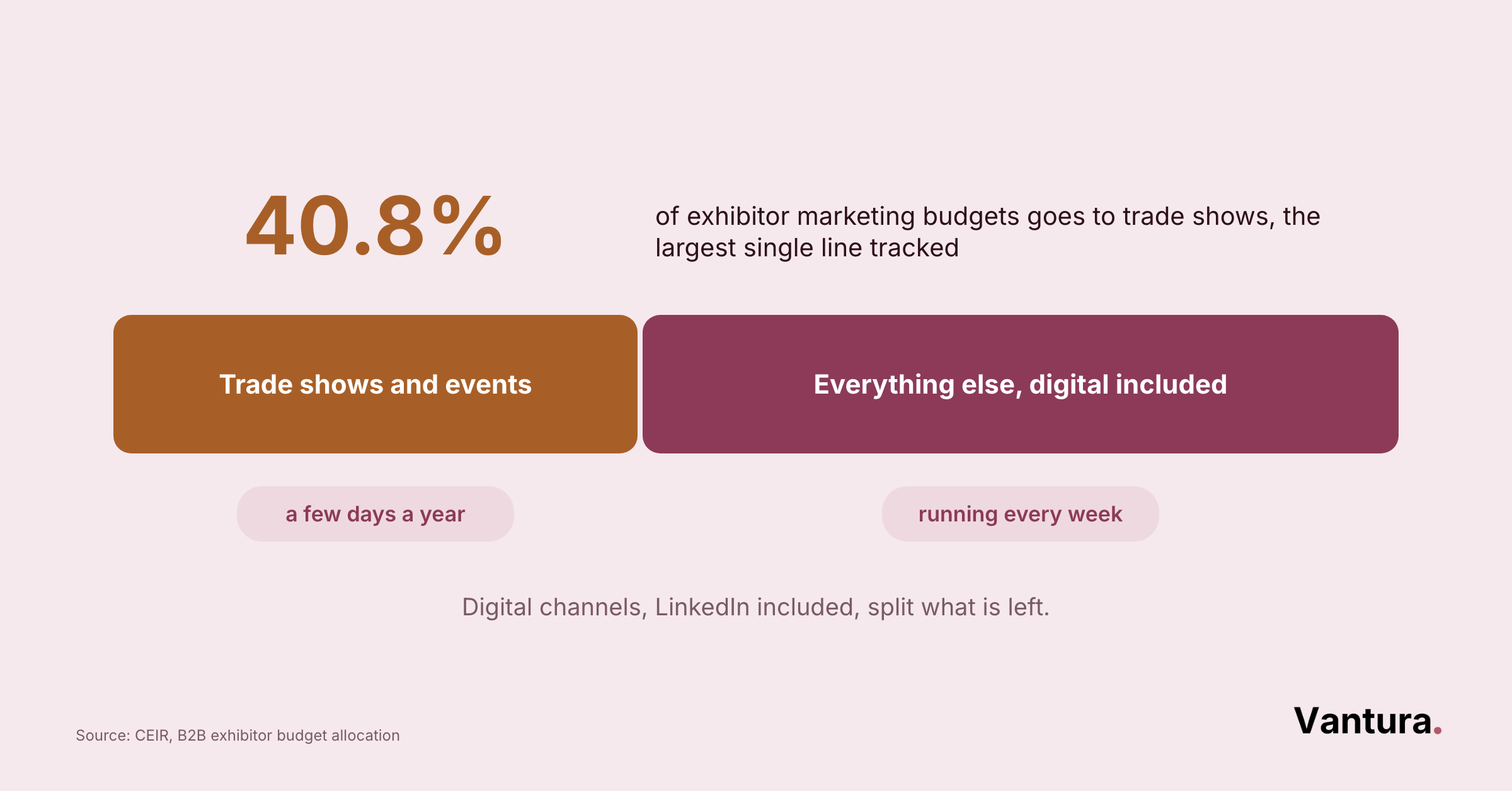
Cost depends on whether you lean on free effort, paid ads, or both. Many firms run a solid organic program on staff time plus a modest ad budget.
The return shows up in the value of one won job, which is often large. A single build can cover a year of steady work, and smaller crews can start lean with small business marketing support.
- Organic posting: mostly staff time.
- Paid ads: a controlled test budget.
- Outreach: a few hours each week.
In our experience, builders who stay consistent see qualified leads climb 15 to 20 percent within two to three quarters. The gains build slowly at first, then hold once your page earns a following.
Bottom line: LinkedIn rarely pays off in a week. For firms with big job values, it tends to return far more than it costs within a couple of quarters.
Which Tools Help Automate Construction LinkedIn Marketing?
The right tools save hours by handling scheduling, tracking, and reports. They won’t write your story, but they keep the routine parts moving.
Set the tools up once and review them each month. A short check keeps your data clean and your reports honest.
As an independent shop, we pick tools on fit alone, with no reseller deal steering the call. We match the tool to your firm, from well-known schedulers to niche builder sales apps.
A small in-house team can rely on outsourced marketing help to keep it running.
- Schedulers to plan a week of posts.
- A CRM to log every outreach touch.
- Dashboards to track leads by source.
Automate the reminders, not the relationships. A tool can tee up your next message, while a real person still writes the human part.
Common Construction LinkedIn Marketing Mistakes to Avoid
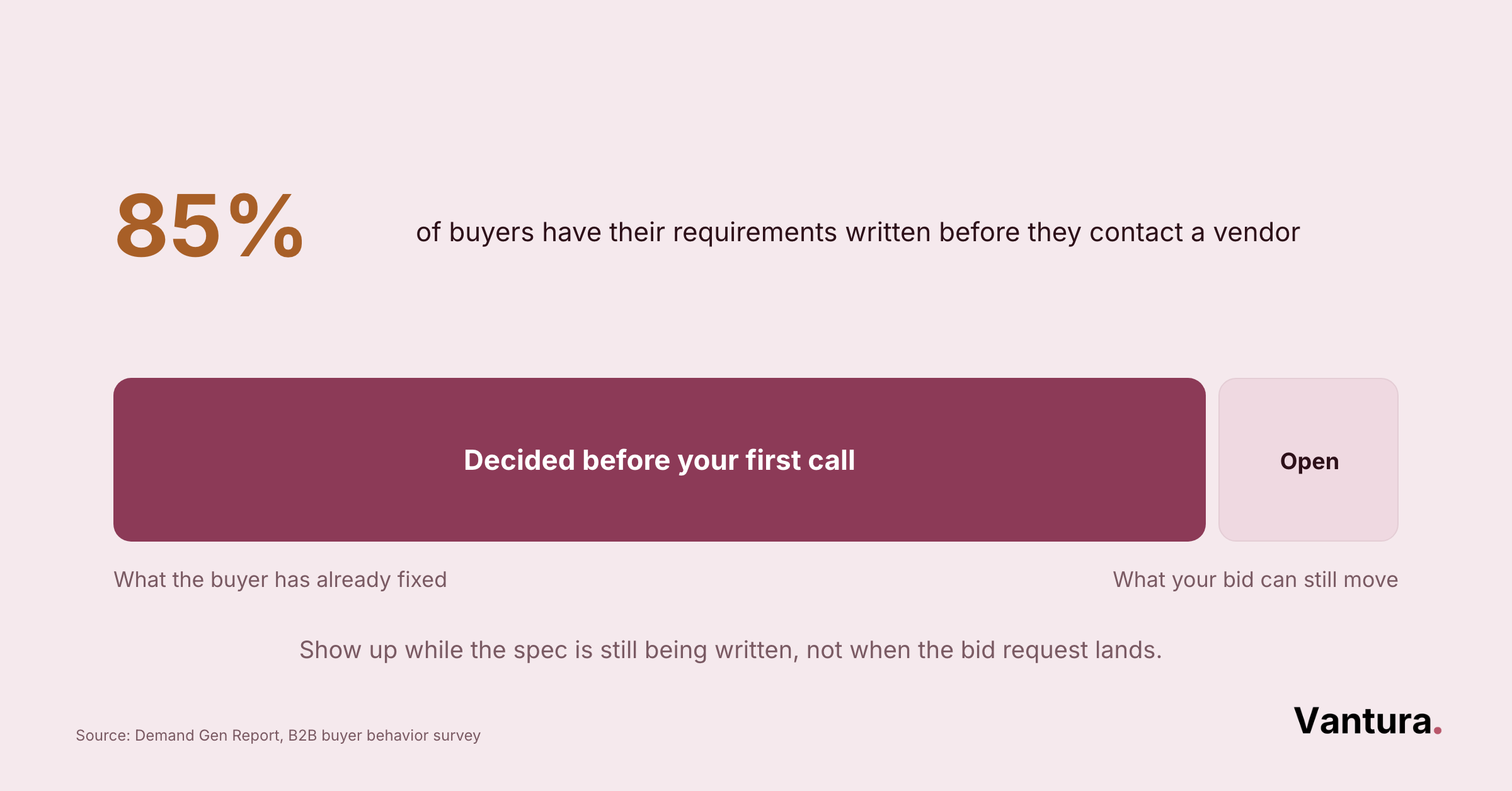
Most LinkedIn misfires come from treating it like a billboard. Firms post ads at people instead of starting real talks.
The Slip-Ups That Stall Builder Pages
The fixes are simple once you spot the pattern. If you’d rather have a second set of eyes, digital marketing consulting can shorten the learning curve.
- Posting only ads and never useful ideas.
- Ignoring comments, so the feed goes quiet.
- Cold-pitching strangers on the first message.
- Leaving staff profiles blank and unused.
- Chasing likes instead of tracking real leads.
Fix these and your page starts working like a quiet salesperson. Keep showing real jobs, reply fast, and let the right talks build over time.
Disclaimer: This article is for informational purposes only and does not constitute professional marketing, legal, or financial advice. Results vary by firm, market, and effort, and any figures reflect our own project experience rather than a guarantee.