Taboola Ads for Finance: Is It the Right Fit? (2026 Verdict)

Taboola Ads work well for finance brands when the offer teaches first and the account can follow strict ad rules. The network places native ads on news and finance sites, so it suits research and discovery better than fast, last click sales. Treat it as a demand channel with a real test budget, and the math usually works.
Why trust us on Taboola Ads for finance:
Our 28 specialists have run 180+ campaigns across 14 industries, finance among them. We’ve built and tested 500+ landing pages, and that page work decides most finance ad approvals.
Need help with Taboola Ads for finance?
Get in touch and we’ll check your offer, your disclosures, and your budget before anything goes live. Our Taboola Ads management team handles the build, and account strategy comes first.
What Taboola Ads for Finance Includes
Taboola runs its advertiser side through Realize, the platform that replaced the old ads.taboola.com login. You get campaign creation, reporting, and creative tools in one account.
For a finance advertiser, the useful part is reach at the research stage. Taboola says its network reaches roughly 600 million daily users.
Partners include TIME, NBC News, Slate, Yahoo, and the Gannett and USA TODAY network. Most of our Taboola Ads agency work starts by mapping those formats to a funnel stage.
Here is what sits inside the account on day one.
- Ad formats: native, display, vertical video, carousel, social creative and an advertorial format in beta.
- Tracking: the Taboola Pixel, built for GDPR and CCPA compliance.
- Campaign build: a self service wizard that gets a first test live fast.
- AI tooling: Gen AI Ad Maker for dynamic creative, plus Abby, a built in assistant.
- Support: email, in platform chat and account manager help.
Worth knowing: The advertiser login moved from ads.taboola.com to Realize, so older guides won’t match what you see. If your team learned this platform a while back, budget an hour to relearn the navigation before running a live finance campaign.
Is Taboola Ads a Good Fit for Finance Teams?
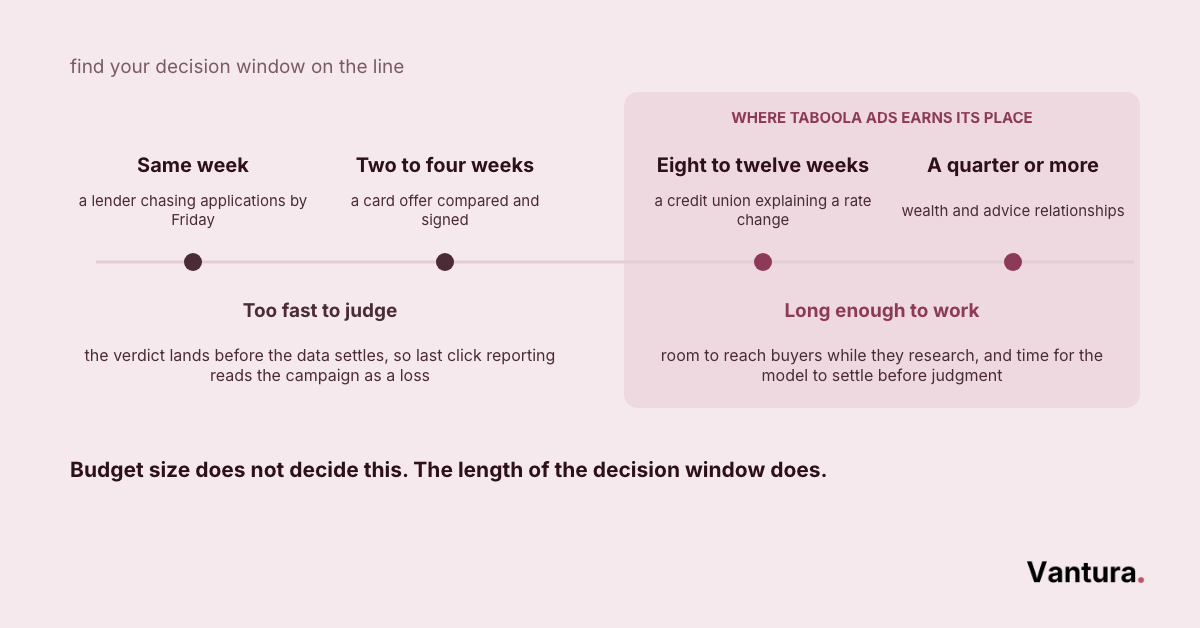
Taboola Ads fit finance teams that need reach while buyers are still researching. They also need to wait past the first month before judging results.
They rarely fit teams judged on last click revenue in a single reporting cycle. Fit comes down to your sales cycle, not your budget size.
A credit union with a twelve week decision window has more to gain here than a lender chasing applications by Friday. We see the same split when we run Taboola Ads for insurance clients, another regulated vertical where patience decides the outcome.
Brands with something to explain do well. Brands with something to sell right now often struggle.
Where Taboola Ads land for finance teams
The honest answer is that this channel rewards patience and punishes shortcuts. We’ve watched both outcomes on accounts that looked almost identical on paper.
- Long consideration products like mortgages, pensions, and wealth advice
- Content led offers such as guides, calculators, and webinars
- A compliance reviewer who can turn creative around in days
- Budget that can run six to nine weeks before anyone calls it
- Offers that need a signature this week
- No landing page resource, or a six week web queue
- Products on the restricted or prohibited list, including binary options and credit repair
- Reporting that only counts the final click
Reality check: The best predictor of success is not budget or vertical. It’s whether the compliance reviewer sits close enough to answer a creative question the same day. Accounts where that person is a stranger on another floor stall in approval and burn the test window before data arrives.
Which Taboola Ads Features Matter Most in Finance?
The features that matter in finance manage risk and waste. They don’t just make ads build faster.
Compliance tooling and audience control do more for a finance account than creative volume ever will.
| Feature | What it does | Why it matters in finance |
|---|---|---|
| Taboola Pixel | Tracks conversions and gathers audience data, built to support GDPR and CCPA | Consent handling is scrutinised harder here than in most verticals |
| Real time ad compliance | Flags policy problems while you build the ad | Finance creative gets rejected more often than most categories |
| Predictive Audiences | Models who is likely to convert, with a lift claim from Taboola we have not verified independently | Narrows waste across very broad news traffic |
| Frequency capping | Limits how often one reader sees the same ad | Protects brand trust when your ad sits beside financial news |
| Performance Simulator, in beta | Forecasts outcomes before spend commits | Useful when a committee has to approve the budget |
| Demographic reporting | Breaks results down by audience segment | Shows which segment responds, which is what renewals hinge on |
Where these features stop short
None of this replaces proper measurement. If your analytics can’t show an assisted conversion, native will look worse than it is.
That’s a problem our Taboola Ads integrations work usually catches in a morning.
The AI tooling is fast, and it’s also the part we trust least on a first pass. Every generated headline for a finance offer still needs a human check against the banned claim list.
How Much Do Taboola Ads Cost for a Finance Business?
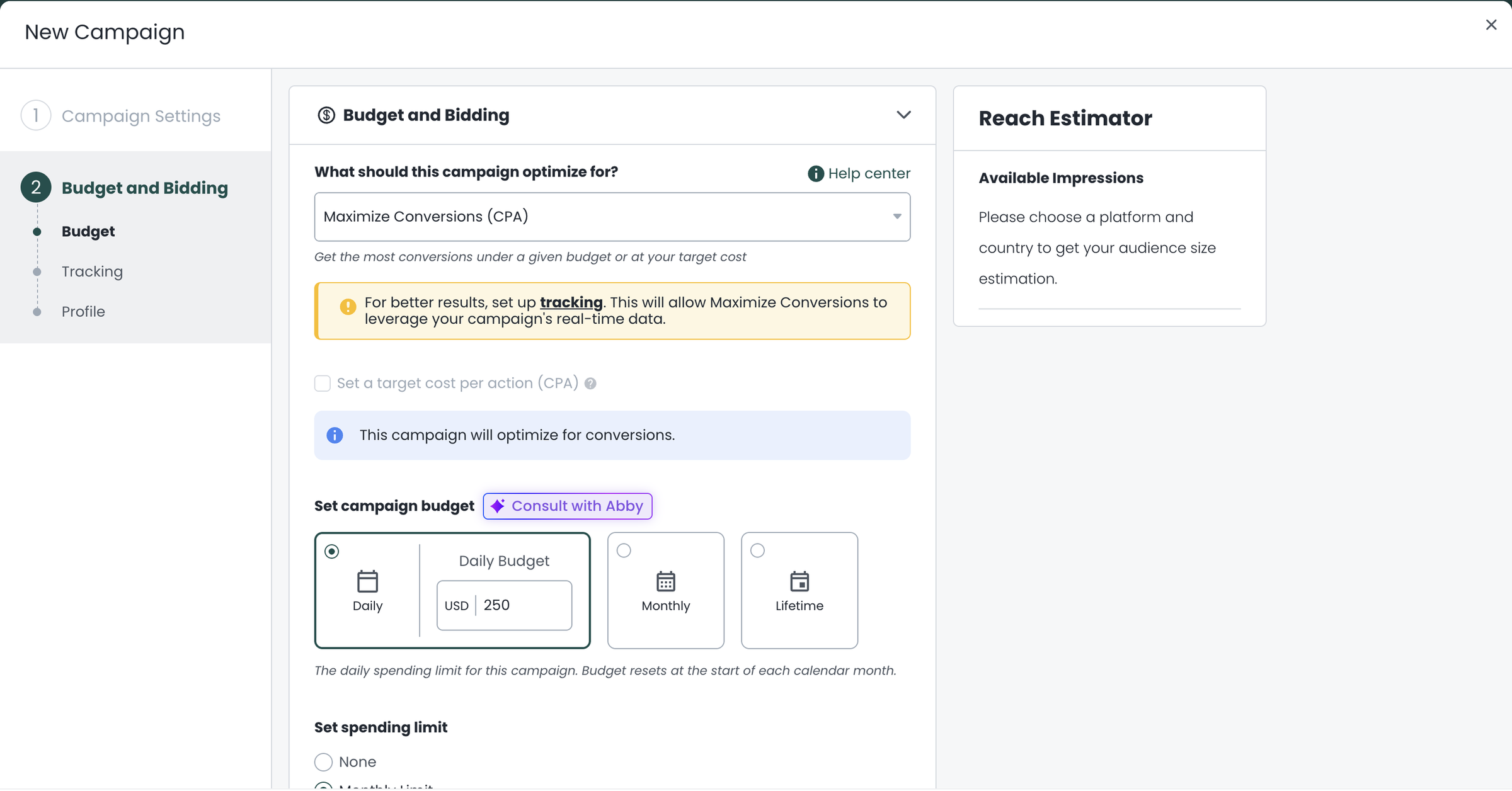
Taboola publishes no rate card. Your cost is your campaign budget plus what you pay per click or per thousand impressions.
There are no seats, tiers, or license fees to compare. That makes budgeting simple in one way and awkward in another. You control the ceiling, but no one can quote a price before you start.
Across our finance accounts, we plan the first test at six to nine weeks of steady daily spend. Anything shorter tends to end before there’s enough data for bidding to settle.
- Media spend, billed on clicks or impressions
- Creative production, usually several headline and image sets per offer
- Landing page build and legal review
- Analytics setup, including the Taboola Pixel
We budget the page separately. In our experience it takes roughly 20 to 30 percent of the first month’s total.
Smaller advertisers often skip this step. That’s the same mistake we see on Taboola Ads for ecommerce accounts, where a thin page budget shows up in the results fast.
Budget note: Some sites publish estimated annual spend ranges for Taboola, but none of them come from Taboola itself. Treat any figure you find elsewhere as a guess. The only number that binds you is the daily budget you set yourself.
Are Taboola Ads Free or Discounted for Finance Teams?
No. There’s no free plan, no free trial, and no finance specific discount program.
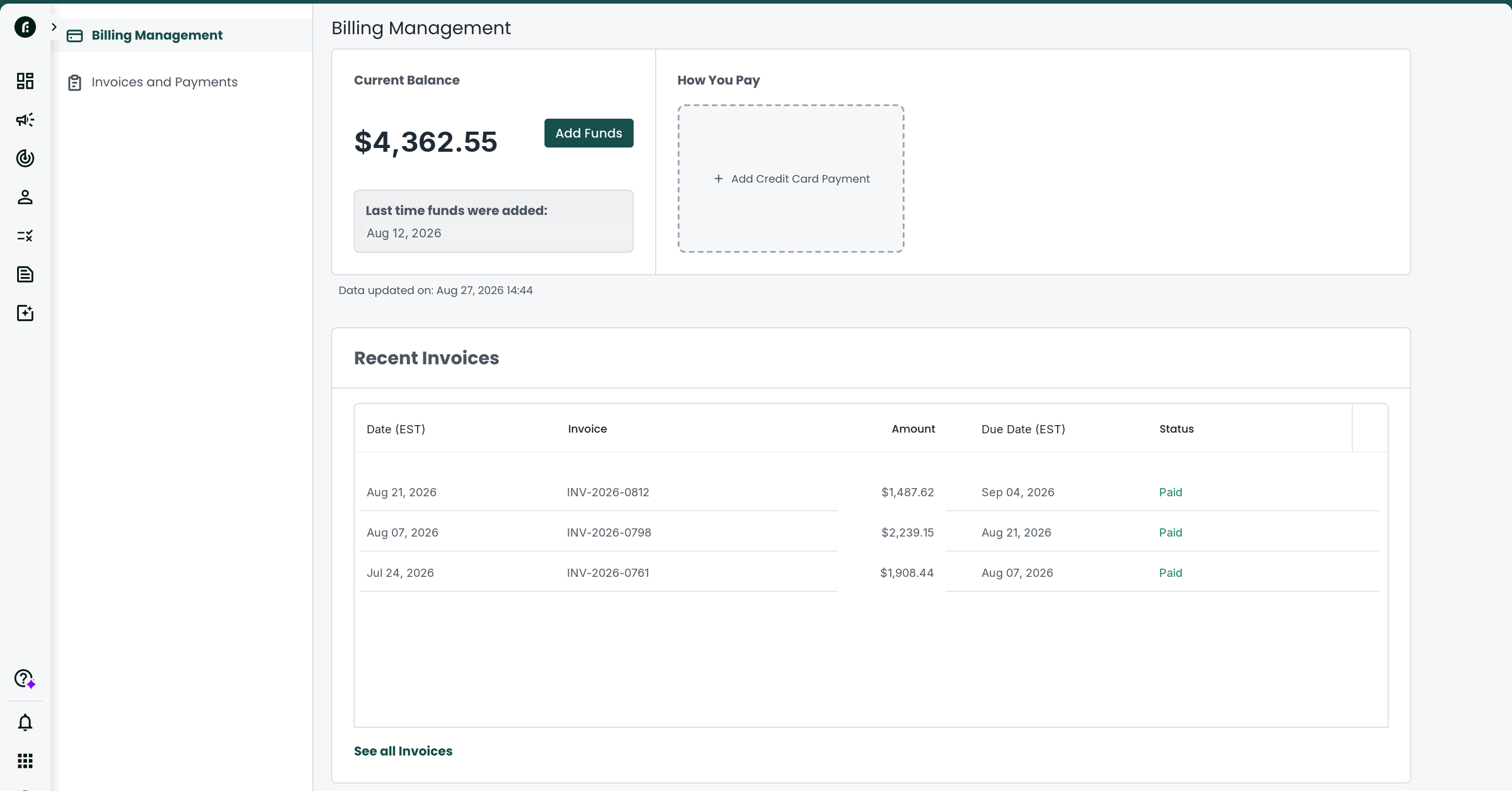
You can start small, though. The wizard accepts a modest daily budget, and that’s the closest thing to a trial you’ll get.
Some advertisers negotiate better rates once spend is steady and an account manager gets involved. We’ve seen it happen, but it’s a business conversation, not a published offer.
The catch: A tiny starting budget behaves differently from a real one. Bidding needs conversion volume before it can find your audience. A finance account that spends almost nothing for two weeks will tell you very little, and it usually convinces the team the channel doesn’t work.
Which Taboola Ads Setup Fits Finance Use Cases Best?
There are no plans to pick between. The real decision is how you structure campaigns.
Finance offers tend to fall into three shapes, and each one wants a different setup.
| Use case | Format to lead with | What to judge it on |
|---|---|---|
| Explaining a complex product | Advertorial or long form native | Time on page and scroll depth, not clicks |
| Building an audience for retargeting | Native plus display, wide targeting | Qualified audience size and cost per engaged visit |
| Driving a defined action | Vertical video or carousel to a single page | Cost per completed form, with assisted conversions included |
Three setups that cover most finance offers
Choosing between these is a strategy question before it’s a platform one. We usually settle it by weighing the Taboola Ads alternatives against the offer first, before anyone opens an ad account.
#1 The explainer setup
One offer, one long page, several headline angles pointing at it. This is the setup we reach for when the product needs teaching before it can sell.
#2 The audience setup
Wide targeting, cheap engaged visits, and the Pixel doing the real work. The conversion happens later on another channel, so build the reporting for that from the start.
#3 The direct setup
Tight targeting, video or carousel, a single form at the end. It’s the hardest of the three to make pay on native. We only run it once an explainer campaign has proved the offer.
How Do You Set Up Taboola Ads for a Finance Team?
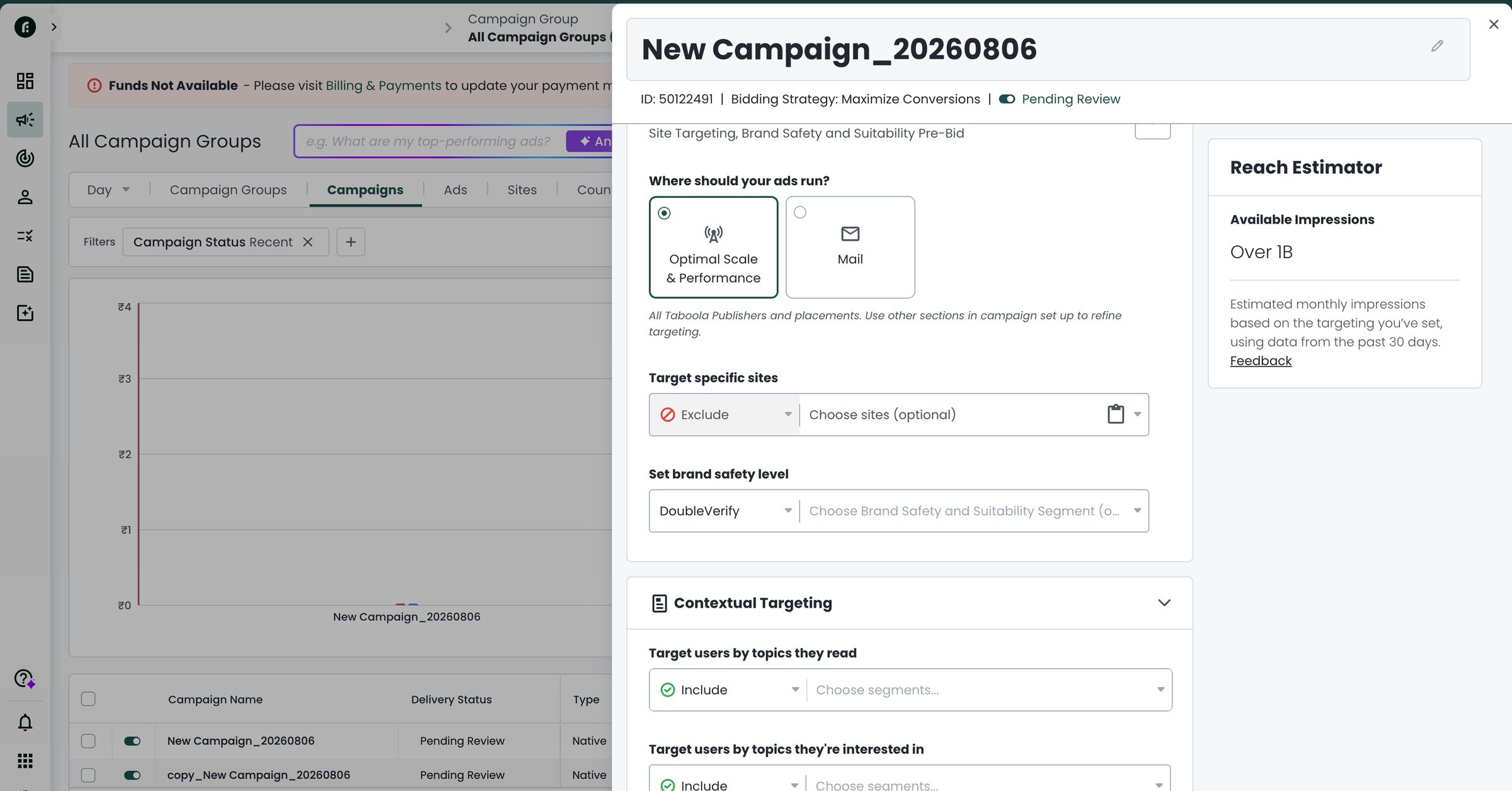
Setting up Taboola Ads for a finance team takes four steps. The order matters more than the speed.
Get the tracking and the landing page right before you launch. Fixing either one mid flight resets your data.
Step 1: Open and verify the Realize account
Create the account on Realize and add billing before you build anything. Finance advertisers often need extra checks, so start this earlier than feels needed.
Give the compliance reviewer access at the same time. If they can see the ad in the interface, approvals stop happening over email.
Step 2: Install the Taboola Pixel before anything runs
The Pixel turns traffic into a measurable audience, and it’s built for GDPR and CCPA. Install it, then fire a test conversion and confirm it lands.
Do this before launch, not after. Retroactive data does not exist, and two untracked weeks are two weeks you can’t analyze.
Step 3: Build the landing page the policy asks for
Taboola’s finance policy sets requirements for the page, not just the ad. A page that misses any of them holds up the whole campaign.
- Clear risk notices
- Platform provider and licensing details
- A prominent Advertorial label
- Company contact information
- Transcripts for any video campaign
Step 4: Launch small and let the review cycle run
Start with two or three creative angles, not twenty. Rejections teach you where the policy line sits, and a smaller set makes that lesson clear.
Then hold the settings still for two weeks. We use the same discipline running Taboola vs Outbrain tests, where daily tuning ruins the comparison you paid for.
Taboola Ads Compared With the Main Finance Advertising Channels
Native rarely replaces another channel in finance. It fills the gap in front of them, which is why this is about roles, not winners.
| Channel | Where it wins in finance | Where it struggles |
|---|---|---|
| Native, including Taboola | Reach while people are researching, cheap engaged visits | Weak on immediate intent, and it lives or dies on the landing page |
| Paid search | Captures people already shopping for a product | Expensive in finance and capped by how many people search |
| Paid social | Precise audience building and strong retargeting | Strict finance ad rules and fast creative fatigue |
| Comparison sites and affiliates | High intent leads with little setup | Price competition and thin margins on every lead |
Paid social is the closest substitute, and the trade off is cost against control. Retargeting options, the kind we cover in our Taboola vs AdRoll comparison, can reach personal finance audiences that news placements miss.
We’re an independent agency, and no vendor holds a stake in our business. That’s why we’ll recommend a niche, sector specific network over any of these when the audience genuinely sits there.
Which Finance Companies Use Taboola Ads?
Taboola doesn’t publish a public list of its finance advertisers, and most case studies stay anonymous. What it does publish is outcome data.
Financial brands see this play out on native platforms generally. Fidelity used Outbrain’s native advertising platform to distribute retirement planning content and generated over 900 leads at a 7x return on investment, according to Outbrain’s case study. That’s a lead number rather than a cost efficiency one, and it shows native content can carry real weight for finance offers.
In our own work the pattern holds. Native performs best for brands selling a decision rather than a transaction. We see it most with wealth managers, pension providers, insurance sites, and personal finance publishers.
Retail banks sit slightly apart. Branch led offers depend on local reach, so digital marketing for banks usually leads with search and treats native as a support layer.
Professional services firms are a quiet success story. We’ve had good results running explainer campaigns for other regulated verticals too, the kind we cover in Taboola Ads for health and wellness, where the audience reads rather than buys.
Rules, Compliance and Data Laws for Finance Ads on Taboola
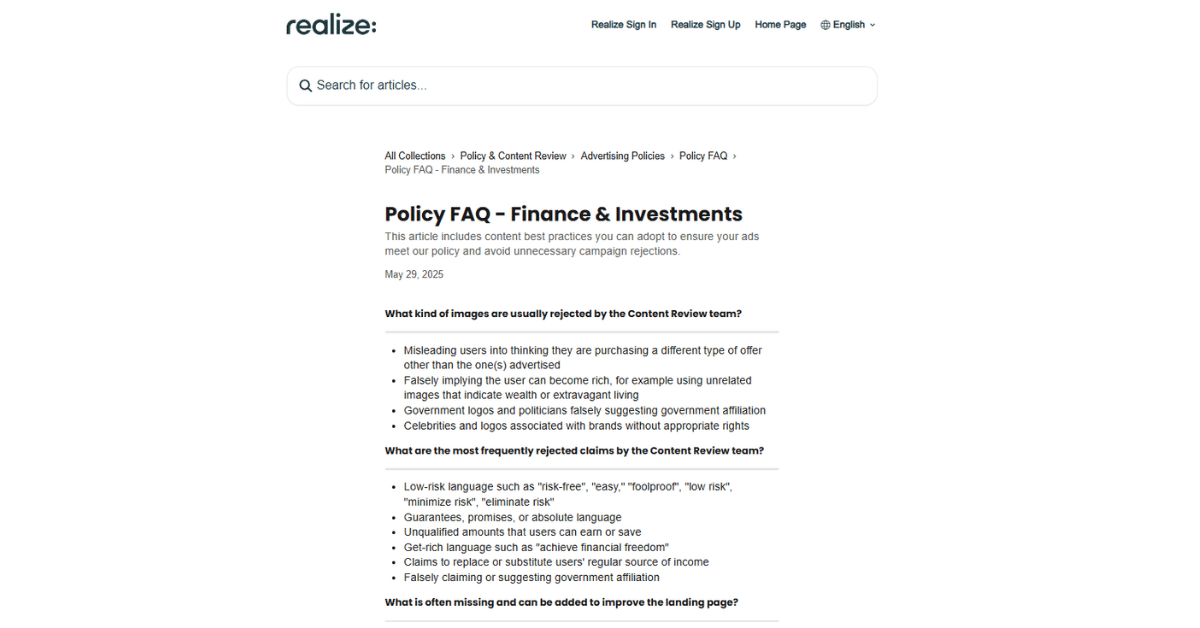
Finance is a restricted category on Taboola, not a banned one. You can advertise investment and credit products, but policy sets conditions on the ad, the page, and sometimes the country.
| Category | Status | Main condition |
|---|---|---|
| Investment products | Restricted | Clear risk disclosure, and it must be obvious users can lose money |
| Credit services | Restricted | CFPB clear and conspicuous standards, real creditor terms, no puffing |
| CFDs | Restricted | A 65 to 80 percent losses notice, geo compliant licensing, 57 approved countries |
| Cryptocurrency | Restricted | No obscure or unlisted coins, 32 approved countries |
| Binary options, credit repair, penny stocks, NFTs, get rich quick schemes, pyramid and Ponzi schemes | Prohibited | Cannot run at all |
The claim language rules catch most first time finance advertisers. Taboola’s finance and investments policy bans a specific set of words and promises.
- “risk free”, “low risk”, “minimize risk” and “eliminate risk”
- “easy” and “foolproof”
- Any guarantee, promise or absolute claim
- Unspecified earnings or savings amounts
- “achieve financial freedom” or claims about replacing regular income
- Anything suggesting government affiliation
Credit advertisers carry an extra layer. Fair Credit rules apply, disclosures can’t be hidden, and you can’t deny service based on protected traits.
Larger firms usually have this documented already. Pulling it into the ad workflow is a governance task most finance teams handle with their own compliance team.
Before you launch: Read the banned claim list out loud to whoever writes your headlines. Then read your existing search ad copy against it. Most finance teams find at least one line they already run elsewhere would get rejected here, and catching that before submission saves a week.
Common Taboola Ads Pitfalls in Finance
Three failures account for most of the finance accounts we’ve been asked to rescue. None of them are platform faults.
Pitfall #1: Judging native traffic on last click
Native brings people in early, so the last click almost always belongs to search or direct. Reported that way, a working campaign can look like a failing one.
We used to argue this after launch. Now we agree on an assisted conversion view before a single dollar goes out. The argument is unwinnable once the report lands on a finance director’s desk.
Pitfall #2: Writing copy the policy will reject
Finance copywriters are trained to calm anxiety, which pushes them straight into words like easy and low risk. Those are exactly the words the policy bans.
The fix is simple, and it works. Put the banned list in the brief template so writers see it before the first draft, not after the third rejection.
Pitfall #3: Leaving placements and frequency unmanaged
A broad network means your ad will appear in places you wouldn’t choose. Left alone, a few sites can quietly absorb a large share of your budget.
Frequency capping and a weekly exclusion review handle most of it. When no one in house does that review, it’s a clear case for Taboola Ads consulting support.
Learned the hard way: We once let a pension campaign run three weeks without a placement review because the headline numbers looked fine. Two low quality sites had taken almost half the spend, and those visits never came back. We now build a placement check into week one of every finance account.
Must Have Taboola Ads Add Ons for Finance Accounts
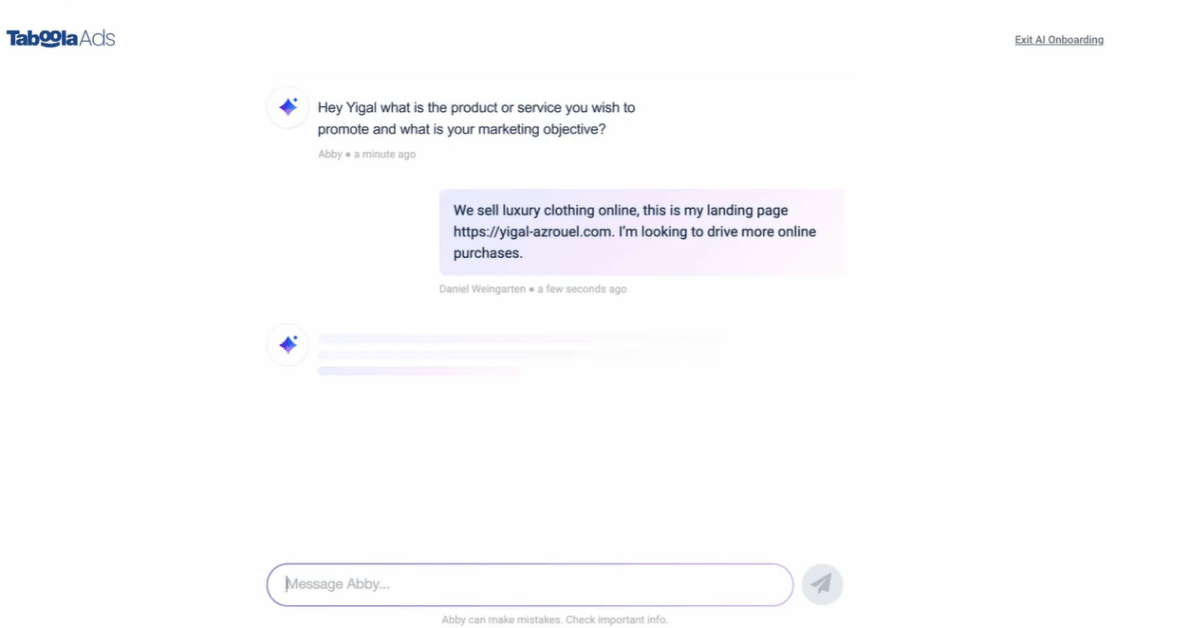
Taboola’s own tools cover most of what a finance account needs. The trick is switching them on before you spend, not after.
- Taboola Pixel (conversion tracking and audience data, with GDPR and CCPA support)
- Real time ad compliance (flags policy problems while you build the ad)
- Frequency capping (stops one reader seeing the same ad all week)
- Budget acceleration (pushes spend faster once a campaign is working)
- Predictive Audiences (models who is likely to convert)
- Performance Simulator, in beta (forecasts outcomes before you commit)
- Social Importer, in beta (turns existing social assets into display ads)
- Abby (the built in assistant for onboarding, budget advice and troubleshooting)
Two of these are still in beta, so treat their output as a second opinion, not an instruction. We use the simulator to sanity check a plan, never to justify one.
Smaller finance teams often find the weekly upkeep is the real cost. That’s usually the point where outsourcing the work becomes cheaper than hiring for it.
What Taboola Ads ROI Looks Like in Finance
Returns on native rarely show up in the first month, and finance is slower than most sectors. The numbers below are our own planning ranges from client accounts, not published benchmarks.
| Metric | What we watch | Range we plan for, from our own accounts |
|---|---|---|
| Cost per engaged visit | Spend divided by visits that stay past half a minute | Around 40 to 60 percent below search |
| Assisted conversion share | Conversions where native was an earlier touch | Roughly a third to half of the credit native earns |
| Time to first read | Days of steady spend before anyone judges it | Six to nine weeks |
| Payback | Months until media spend is recovered | Month four to six |
Payback is the number a finance director cares about most, and it’s the one that slips the most. Across our projects it slides when the landing page needs several compliance rounds.
Long cycle products stretch these ranges further still. We see the same shape when we benchmark against Taboola vs Criteo retargeting timelines, where the first real read on a channel can sit two quarters out.
Bottom line on returns: Native earns its place in a finance budget by making every other channel cheaper, not by out converting them. If your reporting can’t show that effect, fix the measurement before you argue about the media.
How Do You Train a Finance Team on Taboola Ads?
Training a finance team on Taboola is less about the interface and more about the policy. The wizard takes an afternoon to learn, and the rules take much longer.
Split the learning by role instead of running one long session. No one needs all of it, and mixed sessions lose the compliance reviewer within ten minutes.
- The media owner learns campaign setup, bidding and placement exclusions
- The writer learns the banned claim list before drafting a single headline
- The compliance reviewer learns what a rejection looks like and how to answer it
- The analyst learns the Pixel, conversion windows and assisted conversion reporting
Then set a rhythm and keep it. A weekly review of placements and spend, plus a monthly creative refresh, covers the work for most accounts.
Younger fintech teams pick this up fastest, mostly because approval chains are shorter. One person can often brief, write, and sign off in a single morning.
How Taboola Ads Are Changing for Finance Buyers
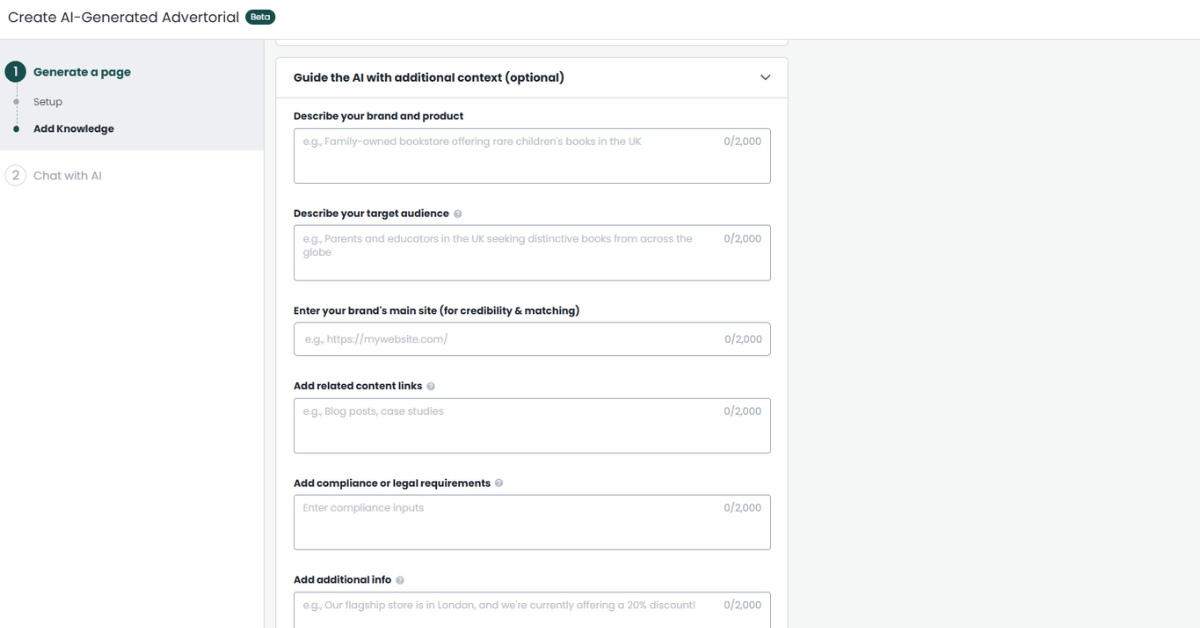
The biggest shift is the move to Realize, which brought reporting and AI guidance into one workflow. For finance that matters in two practical ways.
Reporting is now easier to hand to a compliance team without rebuilding it in a spreadsheet. The AI tools also shorten the creative cycle that policy reviews keep interrupting.
Formats are widening too. Vertical video, carousel, and the advertorial format in beta all suit finance explainers better than a single image and headline ever did.
What we expect next: Device level reach through OEM partnerships is growing faster than the news network is, which changes who you can reach. Finance advertisers who only think of native as a news placement keep sizing this channel too small.
Taboola Ads for Finance FAQ
Disclaimer: This post is general information only and is not financial, legal or compliance advice. Platform features, policies and costs change without notice, so confirm current rules with Taboola before you launch. Vantura Marketing accepts no liability for decisions taken on the basis of this content.