Construction Digital Marketing Checklist for 2026

A construction digital marketing checklist is a short, ordered list of the setup steps a builder confirms before, during, and after a campaign. It walks through your website, local search, content, ads, tracking, and review habits in one place. Work through it top to bottom so nothing important gets missed.
Why Trust This Construction Marketing Checklist:
Our 28 specialists have shipped more than 180 campaigns and run over 750 A/B tests across 14 industries. Every checkpoint here comes from that work, not from theory.
Need a Hand With Your Marketing Setup:
If the list feels long, our team can set it up alongside you. Reach out for hands-on industrial digital marketing help whenever you’re ready.
What a Construction Digital Marketing Checklist Covers
A good checklist covers six areas. Those are your site, your local presence, your content, your ads, your tracking, and your review routine.
Most builders don’t fail because they skip a whole area. They fail because one small piece, like a broken form or an untagged phone number, quietly leaks leads for months.
The pull toward digital is real, and it isn’t slowing down. We’ve watched crews that used to rely on truck-side signage now book most of their work through a phone screen.
If you want a second set of eyes before you start, a digital marketing audit shows you which boxes are already handled. That saves you from rebuilding things that already work.
| Checklist area | What good looks like | When to revisit |
|---|---|---|
| Website | Fast pages, working forms, clear service list | Every quarter |
| Local search | Verified profile, real photos, steady reviews | Every month |
| Tracking | Calls, forms, and ad clicks all recorded | Before each campaign |
Start here: Before you touch ads or content, confirm you can measure results. A clean tracking setup on day one saves you from guessing later, and it makes every other checkpoint on this list easier to prove.
What Belongs on a Construction Website Foundation Checklist?
Your website is the one asset you fully own, so it comes first. It needs to load fast, work on a phone, and make the next step obvious.
Most of your visitors are standing on a job site or sitting in a truck. A mobile-first layout matters more here than in almost any other trade.
Technical basics to confirm first
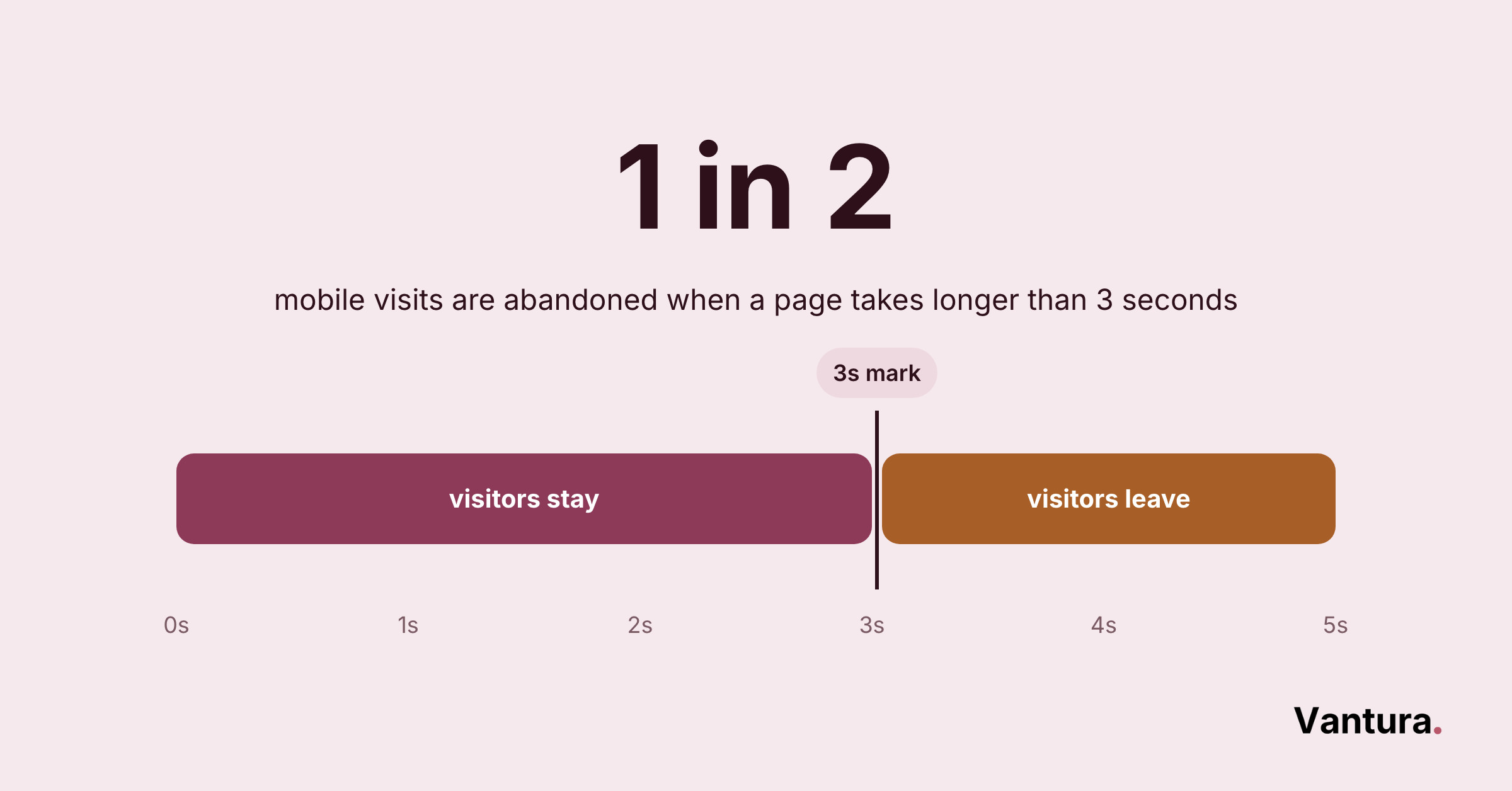
- Pages load in under three seconds on mobile data
- An SSL certificate is active and the site shows as secure
- Contact forms send to a real inbox someone checks daily
- Your phone number is clickable on every page
- Service pages exist for each thing you do
Smaller crews often run lean sites that miss a few of these. If that sounds familiar, our small business digital marketing work usually starts right here.
Trust signals that close jobs
Buyers hand over big money for construction work, so they look for proof before they call. Photos of finished projects, license numbers, and insurance details do a lot of quiet selling.
- Real project photos, not stock images
- License and insurance details in the footer
- Named reviews with the town or project type
- A short about section with real faces
Which Construction SEO Basics Belong on Every Page?
Construction SEO starts with matching each page to how people actually search. Someone types “commercial concrete contractor near me,” not “we build things,” so your pages need to speak that language.
Give every core service its own page. One thin page trying to rank for roofing, framing, and remodels will lose to firms that wrote a real page for each.
On-page items to tick off
- A unique title tag with the service and the area
- One clear H1 that names the job
- Location words worked into the copy, not stuffed
- Image file names and alt text that describe the work
- Internal links between related service pages
Commercial builders selling to developers and facility managers have a longer sales cycle, so their pages need to answer more upfront. That’s where a B2B digital marketing angle earns its keep.
Quick win: Add a short FAQ block to each service page that answers the questions estimators hear on every call. Search engines love clear answers, and it cuts the number of tire-kicker calls your team fields each week.
Which Google Business Profile Steps Matter for Builders?
Your Google Business Profile is often the first thing a local buyer sees. For trades that work within a service radius, it can pull in more calls than the website itself.
Backlinko found that 76 percent of people who run a near me search visit that business within a day, so a complete, current profile turns local searches into real foot traffic fast. That single filled-in field can matter more than a fancy website design.
Fill in every field, then keep it fresh. A profile that hasn’t been touched in a year reads as a business that might not answer the phone.
- Pick the most specific primary category you can
- Set your real service area, not a single pin
- Add fresh project photos every few weeks
- List services with short, plain descriptions
- Reply to every review, good or bad
Firms that also handle property development lean hard on local search, since buyers check the map before they check anything else. The same habits show up in our real estate digital marketing playbook.
How Should Builders Plan Content Before Launch?
Plan content around the questions buyers ask before they hire. A short guide on “what a kitchen remodel really costs” earns more trust than ten posts about your company news.
Residential and commercial buyers care about very different things, so map your topics to each one. That keeps your integrated digital marketing plan pointed at real jobs instead of vanity traffic.
- Cost and timeline guides for common projects
- Before and after galleries
- Short video walkthroughs of finished work
- Financing and warranty explainers
- Case studies with measurable outcomes
- Capability sheets and past project lists
- Safety record and certification pages
- Bid and procurement process explainers
What Social Media and Email Setup Do Builders Need?
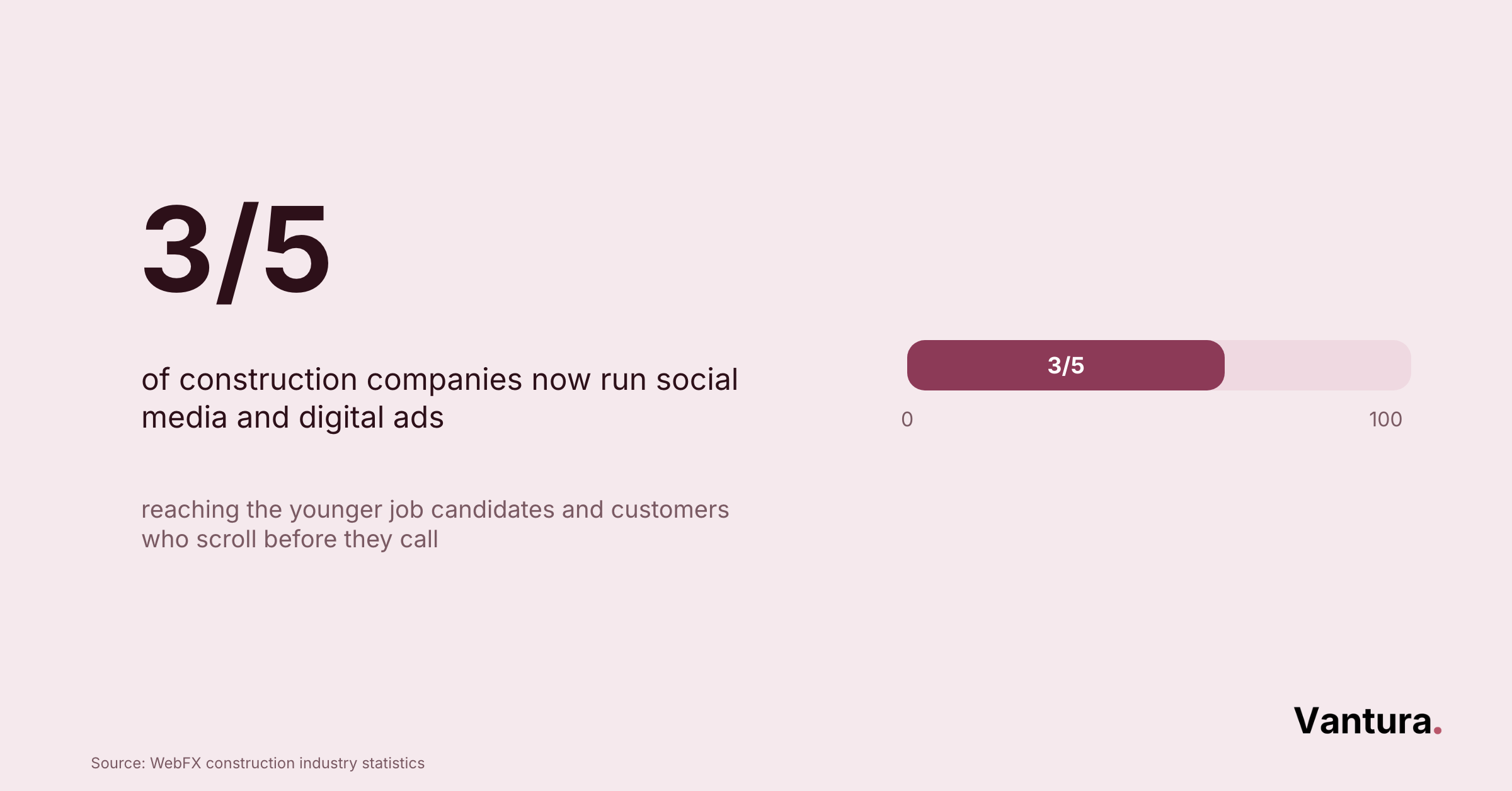
Social media and email are where finished projects keep earning after the job ends. You don’t need every network, just the two or three where your buyers spend real time.
Social accounts to set up right
- Claim consistent handles and fill in every bio field
- Use the same logo and colors across each account
- Post project photos on a steady, simple schedule
- Turn on messaging only if someone will answer it
Visual work like remodels and landscaping does well on image-led networks, so a channel like Pinterest ads management can be a real fit for residential builders. Commercial firms often get more from steady posting than from paid social.
Email basics to configure
Email is quiet, cheap, and it’s yours. A simple monthly note with a recent project and one useful tip keeps you in mind for the referral that comes a year later.
- Verify your sending domain so mail lands in the inbox
- Set up a welcome note for new subscribers
- Keep one clean list, not five messy ones
- Add an easy unsubscribe link to stay compliant
What Should You Check Before Construction Ads Go Live?
Before any construction ad goes live, confirm the plumbing works and the money has a job to do. Paid traffic only pays off when the page it lands on is ready to convert.
In our experience, fixing the landing page before launch lifts qualified calls by 20 to 30 percent over sending the same budget to a generic homepage. It’s the cheapest win on this whole list.
Step #1: Match the offer to the search
Send each ad to a page about that exact job, not your homepage. A “metal roof replacement” ad should land on a metal roof page with a quote form near the top.
Step #2: Confirm conversion tracking fires
Test that every form submit and phone call records as a conversion before you spend a dollar. Without it, you’re flying blind and paying for the privilege.
Step #3: Set negative keywords early
Block searches you don’t serve, like “DIY,” “jobs,” or “salary.” This one habit stops a good chunk of wasted spend in the first week.
Step #4: Cap the budget and the radius
Start small and tight, then widen once the numbers hold. Content-style networks such as Taboola ads management can extend reach later, once your core search campaigns pay for themselves.
Before you spend: Load a simple call tracking number into every ad campaign. Most construction leads still pick up the phone, and a call you can’t trace back to a campaign is a result you can’t repeat.
Construction Analytics and Lead Funnel Setup
Analytics is where you find out which of your efforts pay off. Set it up once, correctly, and every later decision gets easier.
Tracking to switch on
Core tools
- Web analytics tied to real conversion events
- Call tracking for every phone lead
- A tag manager so you’re not editing code each time
- Form tracking that captures the source of each lead
The funnel
Map the path from first click to signed contract, then watch where people drop off. A leak between quote request and follow-up is usually the most expensive gap you’ll find.
If the numbers feel murky, a short round of digital marketing consulting can turn a messy dashboard into three clear moves. That beats staring at charts you don’t trust.
Which Brand and Conversion Checks Should Builders Run?
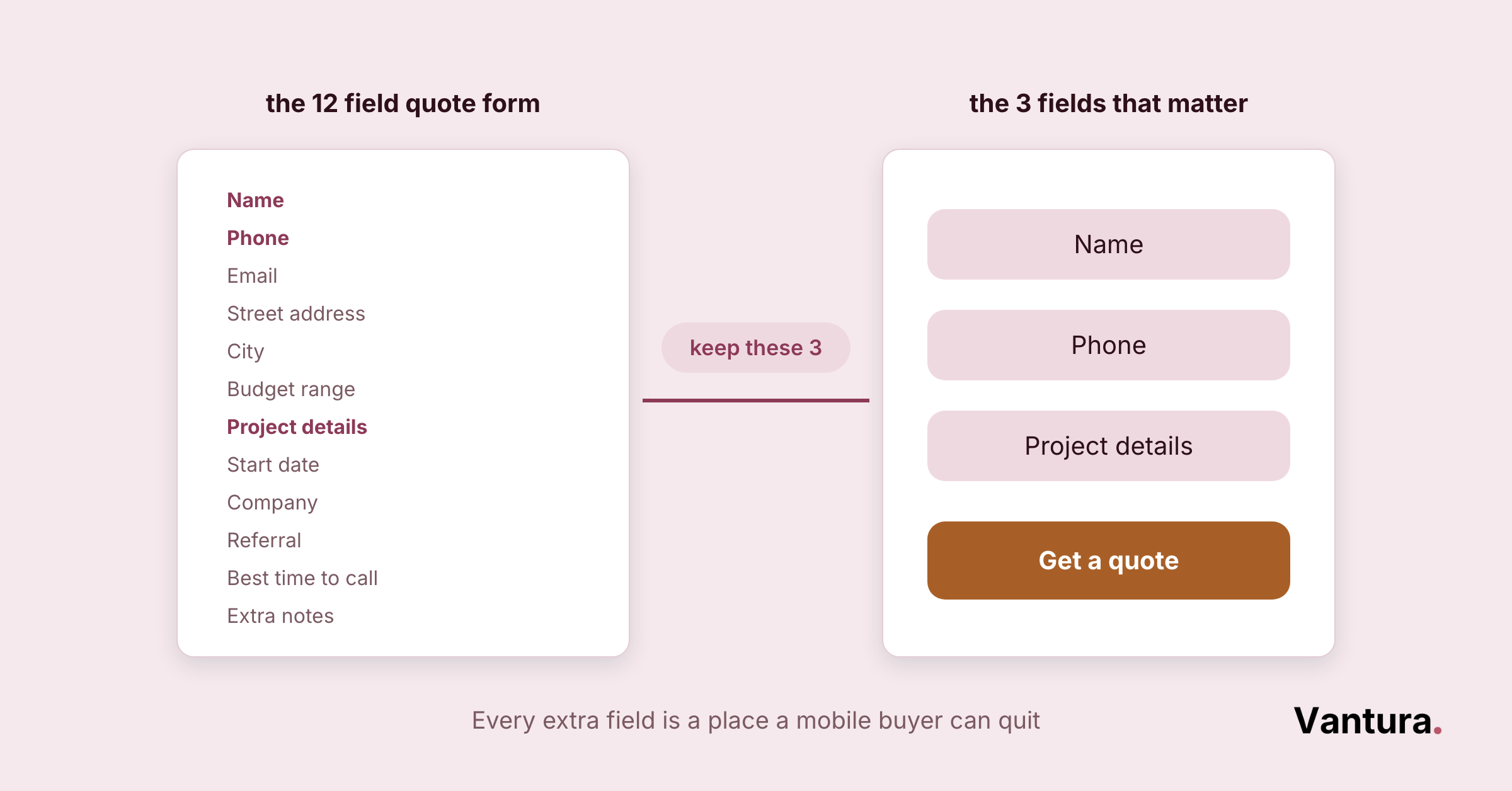
Brand consistency and conversion tuning are the checks that quietly raise your close rate. They cost little and pay back for years.
Brand consistency audit
- Same logo, colors, and phone number everywhere
- Consistent business name across every listing
- One clear promise buyers hear on every channel
- Truck, site sign, and website that match
Conversion rate checks
Look at the small friction points that stop a ready buyer. A form with twelve fields when three would do is a silent deal killer on mobile.
- Cut forms to the fields you truly need
- Put a clear call to action above the fold
- Show a real phone number, not a hidden one
- Test one change at a time so you know what worked
What Marketing Automation Should Builders Set Up?
Automation handles the follow-up your crew is too busy to do by hand. It’s not about robots, it’s about never dropping a warm lead again.
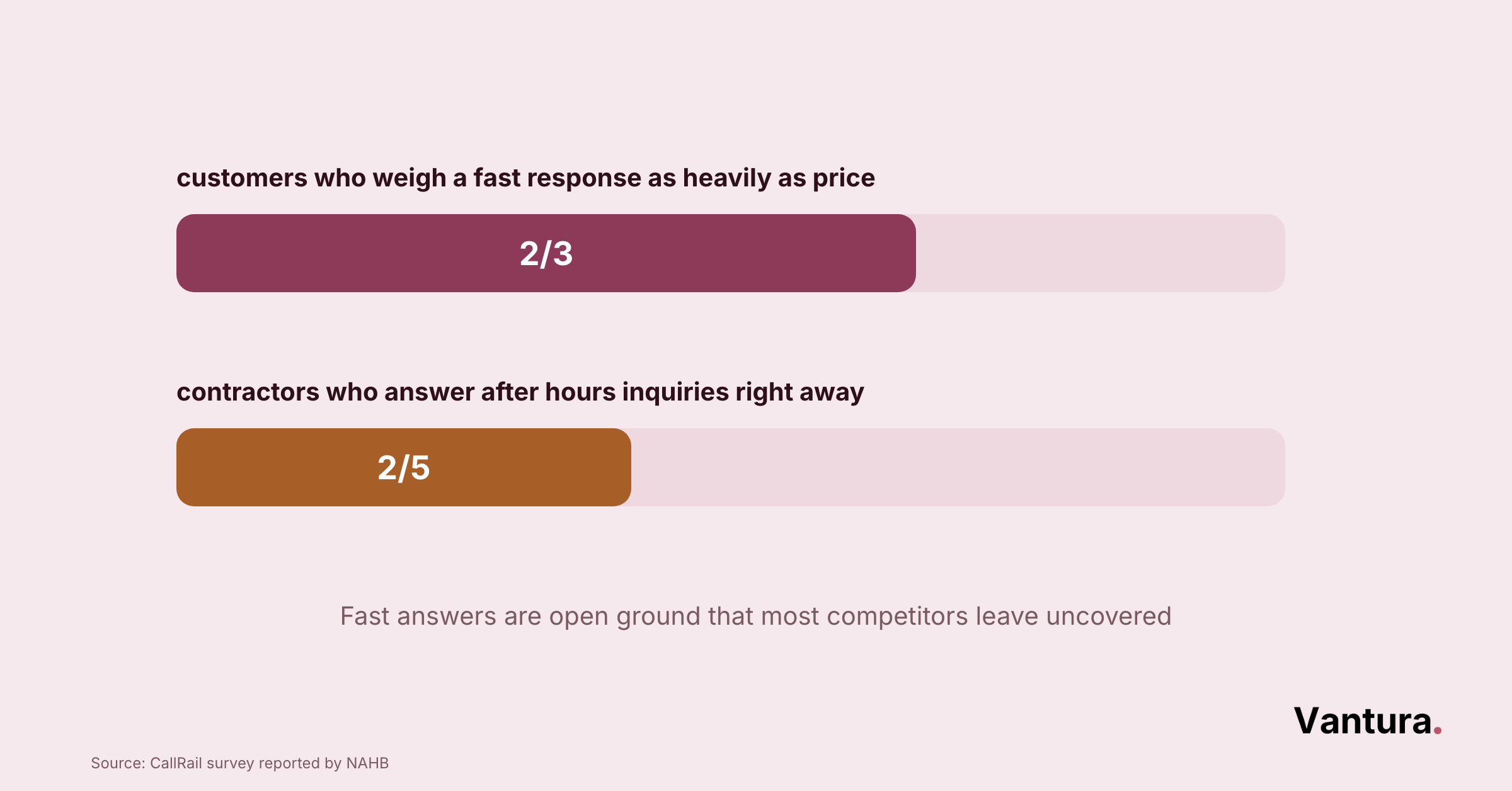
Speed matters more than polish here. We’ve seen response time drop from a day to under an hour once a simple auto-reply and reminder sequence is in place.
- An instant reply when a quote form comes in
- A reminder to your team if no one follows up
- A short nurture email sequence for slow deciders
- A review request that fires after a job closes
Larger firms with several crews and regions need heavier workflows to keep it all straight. That’s the point where enterprise digital marketing setups start to earn back their cost.
How Often Should You Review Construction Marketing?
Review your construction marketing on three clocks, monthly, quarterly, and once a year. Each one asks a different question, so don’t fold them into one meeting.
A steady cadence keeps small problems small. It also makes your digital marketing strategy a living plan instead of a document nobody opens.
| Review | Focus | What to look at |
|---|---|---|
| Monthly | Momentum | Leads, cost per lead, review count |
| Quarterly | Direction | Channel mix, top pages, wasted spend |
| Yearly | Strategy | Goals, budget, market shifts |
Keep in mind: The year-end review is for big questions, not small tweaks. Use it to decide which channels earned their place and which ones you’ll quietly retire before the busy season starts again.
Which Data Compliance Steps Apply to Construction Marketing?
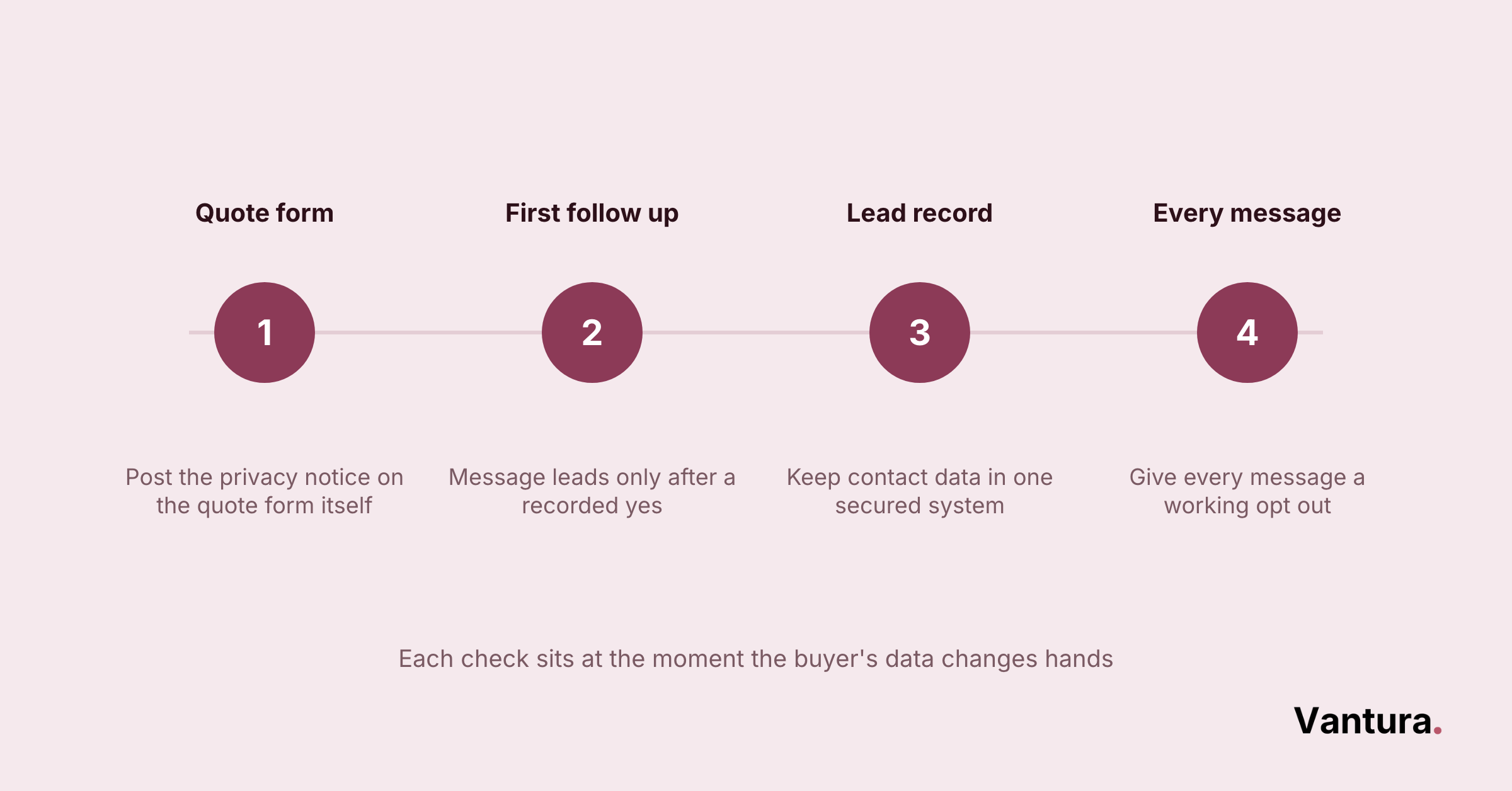
Compliance sounds dry, but a sloppy data habit can cost real money. The basics are simple, and ticking them off protects both your buyers and your firm.
- Add a clear privacy policy and cookie notice
- Get consent before you email or text a lead
- Store contact data somewhere secure, not a shared inbox
- Give people a simple way to opt out
Worth knowing: Email and text rules apply to trades too, not just big brands. One clean consent step at the form saves you from fines and from the awkward “please stop messaging me” reply later on.
Construction Campaign Launch and Budget Review
The last two boxes tie it together with a clean launch and an honest budget review. Do both and the checklist becomes a loop you can run every season.
Launch-day checks
- Landing pages live and loading fast
- Tracking confirmed on every action
- Ad copy and offers matched to each page
- Someone assigned to answer new leads fast
Budget review
Look at where the money went and what it brought back. Move spend toward the channels that produced booked jobs, and trim the ones that only produced clicks.
Forrester found that the average B2B firm, the category most construction companies fall into, invests about 8 percent of revenue in marketing, a useful benchmark once your own numbers start coming in. Treat it as a starting point, not a target to hit exactly.
| Spend area | Ballpark split | What you get |
|---|---|---|
| Website and SEO | About a third | Long-term, owned traffic |
| Paid ads | About a third | Fast, controllable leads |
| Content and social | The rest | Trust and repeat referrals |
If running all of this in-house feels like a second job, it often is. Handing the routine to a partner through digital marketing outsourcing lets your team stay on the tools while the checklist still gets run.
Work through these boxes once and you’ll spot the gaps that cost you jobs. Run them each season and steady lead flow stops feeling like luck.
Disclaimer: This article is for general information only and does not constitute professional marketing, legal, or financial advice. Verify current platform features, pricing, and compliance rules before acting on anything described here.